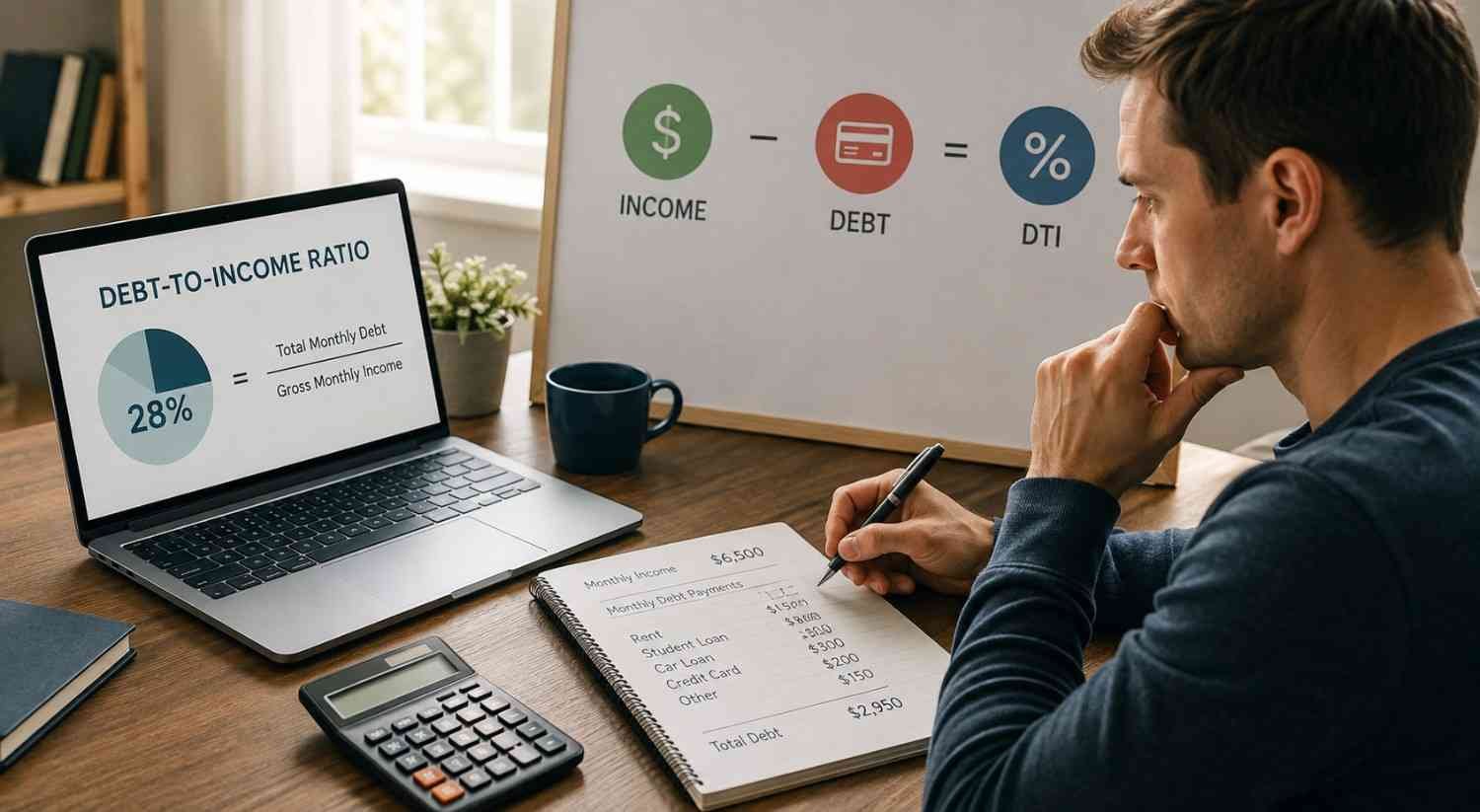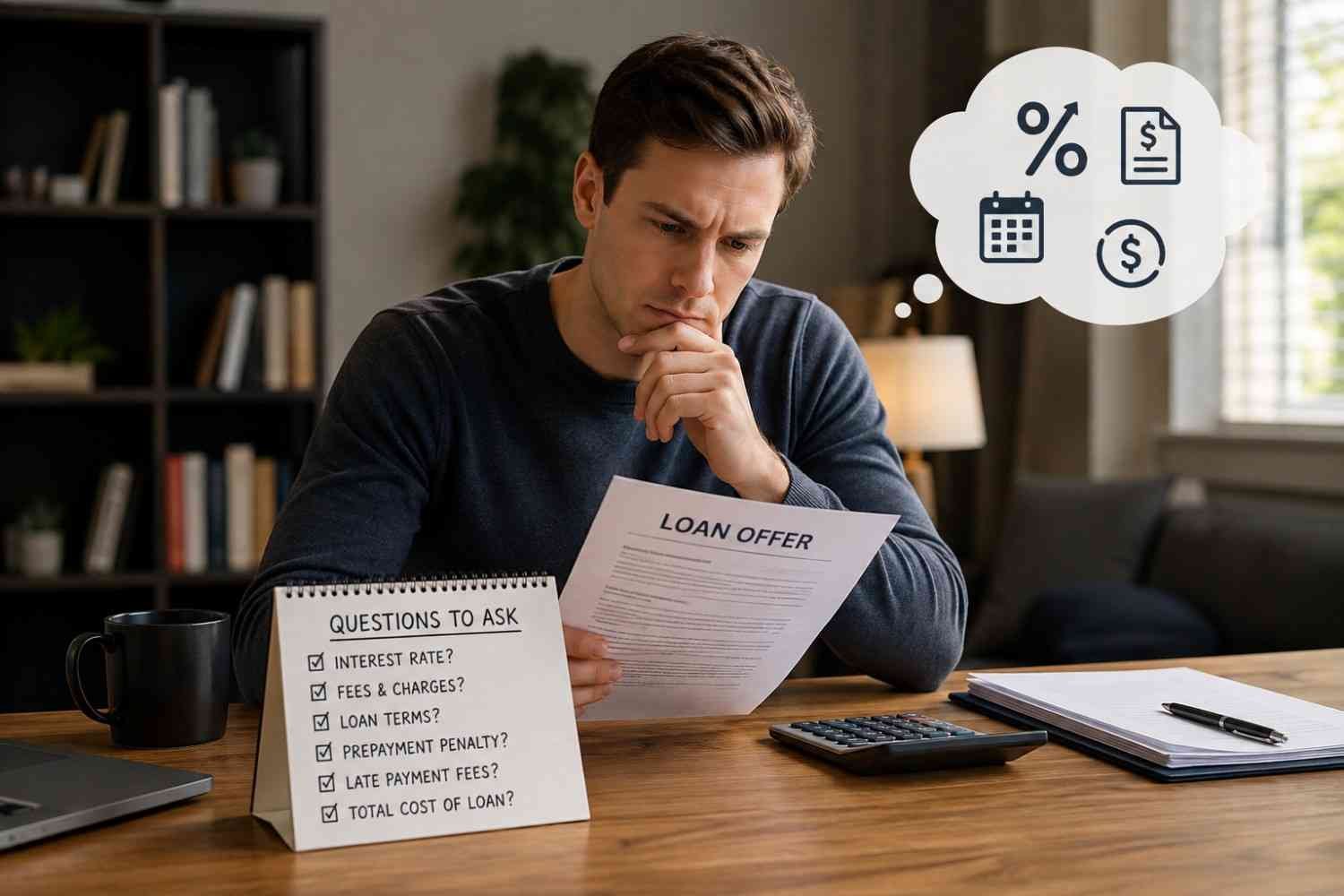

I used to look at a loan payment and decide whether it seemed manageable before thinking much about what I would pay over the full repayment period. A lower monthly bill naturally feels like the better deal, especially when the difference can make a noticeable change to a monthly budget. But once I started looking at the full numbers, I realized that a smaller payment can sometimes mean keeping the debt around much longer and paying considerably more for the same money borrowed.
I also found that the loan term can matter just as much as the rate when comparing financing options. Two offers can look similar at first glance, yet the one stretched over more months may cost much more by the time the balance reaches zero. The right question is not simply, “Can I afford this payment?” It is also, “What will this loan actually cost me?”
Why the Loan Term Changes What You Pay

The loan term is the length of time you have to repay what you borrowed. Depending on the type of loan, it may be expressed in months or years.
When the same balance is spread over more payments, the required monthly payment usually falls. That can make a longer term attractive when cash flow is tight. The tradeoff is that interest has more time to accumulate while the balance remains outstanding.
Consider a $15,000 loan with a 10% APR. A three-year repayment period would have a monthly payment of roughly $484 and about $2,424 in total interest. Stretching that same balance and rate to five years drops the payment to about $319, but total interest rises to roughly $4,122. That is nearly $1,700 more in interest simply for taking longer to repay the same amount.
That difference is why the monthly payment should never be the only number you use to judge a loan.
Short-Term and Long-Term Loans Have Different Tradeoffs
A shorter loan term generally means larger monthly payments. You repay the principal faster, so interest has less time to build. If your budget can comfortably handle the payment, this structure can reduce the overall cost of borrowing.
The downside is reduced monthly flexibility. A payment that looks reasonable on paper may become difficult if your income changes or an unexpected expense appears. Saving on interest does not help much if the required payment puts your everyday budget under pressure.
A longer term works in the opposite direction. Smaller payments can leave more room for rent, groceries, savings, emergencies, or other obligations. However, carrying the balance for additional months generally means paying more interest. Some lenders may also offer different rates depending on the term, which can widen the cost difference further.
The better term is therefore not automatically the shortest one. It is the term that balances the total cost with a payment you can realistically maintain.
Look Beyond the Interest Rate
The interest rate matters, but it is not the entire borrowing cost. APR can provide a broader view because it can incorporate the interest rate and certain required fees.
Fees can include origination charges, documentation fees, and late fees, depending on the loan. A loan with a slightly lower rate can therefore deserve a closer look if its other charges are higher.
This is where how to compare loan offers beyond interest rates becomes useful. Put the offers side by side and look at the amount borrowed, APR, repayment term, monthly payment, fees, and total amount you will repay. Comparing only the rate can hide the effect of the other terms.
The disclosures provided with many loans are designed to make these costs easier to identify. Depending on the loan type, you may see figures such as the finance charge, amount financed, and total of payments.
A Lower Payment Can Cost More

The psychology behind loan payments is easy to understand. A $300 payment feels much easier to accept than a $450 payment, even if the higher payment would help you clear the debt much sooner.
That is where borrowers can get caught by the “affordable payment” trap. If extending the loan by several years saves $150 a month but adds thousands of dollars in interest, the lower payment is not actually a cheaper loan. It is simply a loan with a different payment schedule.
This does not mean you should always choose the payment that costs the least overall. Your budget still matters. A payment that leaves you unable to handle basic expenses or maintain an emergency cushion can create a different financial problem.
The goal is to find a payment that fits comfortably without extending the debt unnecessarily.
Think About Your Cash Flow Before Choosing the Term
Your current budget is only one part of the decision. Think about what your finances could look like throughout the repayment period.
A higher payment may work today but become difficult if you expect major expenses in the next year. On the other hand, choosing a much longer term simply because the payment feels comfortable can keep a debt obligation around long after the original purchase has stopped feeling important.
This is where smart money habits can make the borrowing decision more practical. Build the loan payment into your regular budget, leave room for unexpected costs, and avoid treating the maximum payment a lender approves as the payment you should automatically accept.
A loan should fit into your financial life rather than forcing every other priority to adjust around it.
Check the Total Cost Before You Sign
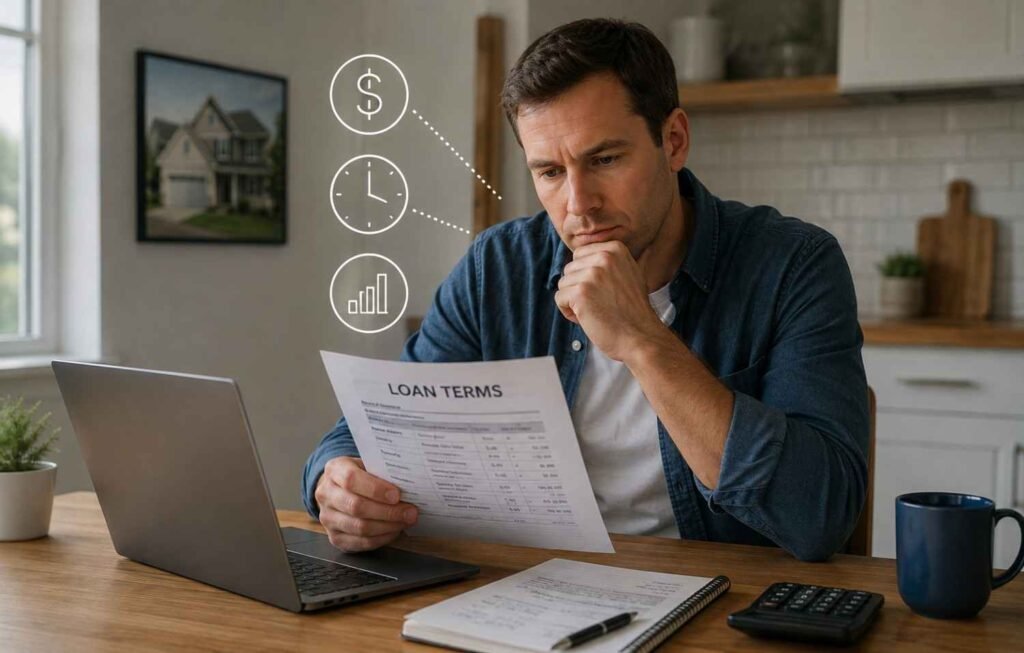
Before accepting an offer, look beyond the monthly figure and calculate what the scheduled payments add up to.
For a simple installment loan, multiplying the monthly payment by the number of payments gives you the scheduled amount paid. Subtracting the original amount borrowed can give you a basic view of the interest component, although fees and other charges may need to be considered separately.
Loan disclosures can also provide a “total of payments” figure. This represents what you are scheduled to pay over the life of the loan when payments are made as agreed.
Then check the conditions around early repayment. Some loans allow you to pay the balance ahead of schedule without a penalty, while others may have restrictions or charges. Knowing this before signing can affect whether choosing a longer term for flexibility makes sense.
Make the Loan Fit the Bigger Picture
Borrowing rarely happens in isolation. A monthly payment can affect how much you can save, how much room you have for emergencies, and how easily you can handle another major expense later.
For someone planning several financial goals at once, financial planning for individuals can help put the loan into context. A lower payment may preserve cash for an emergency fund or another important goal, while a shorter term may be more attractive when reducing interest and becoming debt-free sooner are the priorities.
There is no universal loan term that works for everyone. The right choice depends on the rate, fees, payment, total cost, financial stability, and what else is competing for your money.
What to Review Before Accepting a Loan

Before signing, check these numbers and conditions:
- Loan amount and amount actually received
- Interest rate and APR
- Repayment term and number of payments
- Monthly payment
- Total interest or finance charges
- Origination and other applicable fees
- Late-payment charges
- Prepayment rules or penalties
- Total amount scheduled to be repaid
Looking at these details together gives you a much clearer picture than focusing on one attractive number.
FAQs: How Loan Terms Affect Your Total Borrowing Cost Over Time
1. Does a longer loan term always cost more?
Not necessarily in every situation, because rates and fees can change between offers. But when the loan amount and rate are otherwise comparable, extending the repayment period generally means paying more total interest.
2. Why do longer loans have lower monthly payments?
The borrowed balance is divided across more scheduled payments. That reduces the amount required each month, but interest can continue accumulating over the longer repayment period.
3. Is a shorter loan term always better?
No. A shorter term can reduce interest but creates a larger required payment. If that payment strains your budget, a somewhat longer term may provide useful financial flexibility.
4. What should I compare besides the monthly payment?
Look at the APR, loan term, fees, total interest, finance charges, prepayment rules, and total amount you are expected to repay.
The Cheapest Payment Is Not Always the Cheapest Loan
Loan terms shape the tradeoff between today’s cash flow and tomorrow’s total cost. A longer repayment period can create breathing room when a large payment would stretch the budget, while a shorter period can help reduce interest and clear the debt faster. The important part is understanding what you are giving up for that lower monthly payment.
A loan should make sense on the full schedule, not just on the first payment date. When you compare the complete numbers, you can choose borrowing terms based on what they actually cost rather than what they happen to look like each month.