

Neuroscientists at the Massachusetts Institute of Technology discovered that paying with credit cards stimulates the exact same pleasure centers in the brain as addictive substances, effectively severing the psychological pain of losing money. When you swipe plastic, your brain registers the reward of the purchase without the immediate pain of payment.
If you find your monthly finances draining into a black hole of frictionless digital spending, returning to tangible paper money offers a radical reset. Understanding what is cash envelope budgeting method begins with recognizing that physical currency forces a tactile confrontation with your habits that no mobile banking app can replicate.
The Neurochemistry of Cash vs. Digital Spending
Every financial transaction carries an emotional toll known in behavioral economics as the “pain of paying.” When you hand over a twenty-dollar bill, you experience a physical sensation of loss. The cash leaves your hand, your wallet grows visibly thinner, and your brain registers a immediate trade-off.
Credit cards, debit cards, and contactless digital wallets eliminate this sensory friction entirely. By decoupling the joy of acquiring an item from the pain of paying for it, digital transactions trick your mind into treating future capital as an abstract concept.
Studies published by the Consumer Financial Protection Bureau show that consumers spend up to 83% more on everyday purchases when using credit cards compared to cash. Returning to physical bills re-establishes the psychological guardrails needed to curb impulse buying.
What Is the Cash Envelope Budgeting Method?
At its core, the system—often called “cash stuffing” across social media—is an analog, zero-based financial management system. You divide your physical income into categorized paper envelopes designated for specific variable expenses each month.
[ Monthly Income ]
│
┌────────┴────────┐
▼ ▼
[ Fixed Bills ] [ Cash Bank ]
(Paid Online) (ATM Withdrawal)
│
┌──────────────┼──────────────┐
▼ ▼ ▼
[ Groceries ] [ Dining Out ] [ Shopping ]
When an envelope runs dry, spending in that category halts instantly until the next funding cycle. There are no overdraft fees, no credit limits to push, and no secret balances accumulating interest behind the scenes.
How to Set Up Your System in 4 Steps
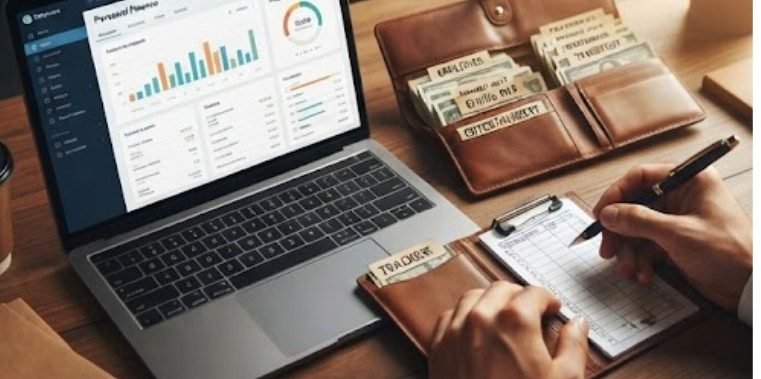
To implement this method without running into common pitfalls, follow a structured process:
- Calculate Fixed Digital Expenses: Leave funds in your checking account for non-negotiable, fixed recurring costs like rent, mortgages, student loans, and utilities.
- Identify Pain Categories: Pinpoint variable spending areas where you consistently overspend—typically groceries, dining out, entertainment, coffee shops, and personal care.
- Withdraw and Stuff: On payday, withdraw the exact total cash amount allocated for those variable categories. Divide the paper bills into dedicated, labeled envelopes.
- Spend strictly to Zero: Carry only the specific envelopes you need for planned trips. Once the paper bills in a category are gone, you cannot buy anything else in that category until the next month.
Building sustainable money routines isn’t about extreme restriction; it is about intentionality. Practicing consistent money habits that improve quality of life allows you to align your actual daily receipts with your long-term personal values.
Evaluating the Cash Envelope System
| Feature | Cash Envelope Method | Credit Cards & Debit Cards |
| Spending Friction | High (Tactile pain of loss) | Low (Frictionless swipe/click) |
| Debt Risk | Absolute zero | High (Accumulates revolving balance) |
| Overdraft Potential | None | Possible with debit card fees |
| Setup Complexity | Manual physical upkeep | Automated digital tracking |
| Theft/Loss Protection | Zero (Uninsured cash) | High (FDIC/Fraud protection) |
Why Envelope Budgeting Matters for Creative Professionals

For freelance authors, literature students, independent reviewers, and publishing professionals, income is rarely a predictable steady line. Irregular royalties, project-based advances, and gig payouts make digital budgeting tricky.
When funds fluctuate wildly, relying on digital balances creates a false sense of security during flush months, leading to sudden shortfalls later. Tactile money management forces an immediate physical reality check.
If you are dealing with inconsistent earnings, learning how to prioritize spending with limited income ensures that crucial obligations stay met even when freelance work slows down.
Research from Harvard University demonstrates that physical tools improve cognitive retention and self-control far better than abstract digital tracking interface overlays.
Strategic Exceptions: When Pure Cash Fails

While cash stuffing excels at curbing impulse spending, a 100% cash life carries distinct modern limitations:
- E-Commerce and Subscriptions: Online book purchases, manuscript submission fees, and software subscriptions require digital settlement.
- Loss and Theft Risk: Cash stored in paper envelopes carries no fraud protection or insurance if lost or stolen.
- Missing Credit Building: Responsible credit card usage builds a credit history necessary for future home mortgages or office leases.
The practical solution is a hybrid envelope framework. Keep digital funds in your checking account for bills and online tools, while using physical cash envelopes exclusively for high-risk impulse categories like dining out and leisure shopping.
Before embarking on physical cash distribution, you must establish an overall baseline balance. Reviewing how to create a monthly budget that actually works helps establish those core percentage allocations before withdrawing paper bills.
Frequently Asked Questions
1. Does Dave Ramsey still recommend cash envelopes?
Yes. Dave Ramsey continues to advocate for the cash envelope system as a fundamental pillar of his financial framework, specifically to control variable categories where spending easily spirals out of control.
2. Do cash envelopes really save money?
Yes. By introducing physical friction to purchases, users eliminate impulse buys and credit card interest fees. Studies show spending drops by 10% to 20% almost immediately when switching from cards to physical cash.
3. What is Dave Ramsey’s cash envelope method?
It is a system where you allocate paper cash into physical envelopes for variable spending categories right after getting paid. When an envelope is empty, spending in that category completely stops until the next pay period.
4. What are the disadvantages of envelope budgeting?
The main drawbacks include physical security risks of carrying cash, lack of reward points or cash-back perks, inability to pay online bills directly with cash, and time spent making regular ATM withdrawals.
The Tactical Takeaway
The cash envelope method is far more than an old-fashioned money hack; it is a psychological tool designed to restore awareness to your spending. In an economy engineered to strip away transaction friction, physically handling paper money forces you to evaluate every trade-off in real time.
By pulling high-risk spending categories off your screen and into your hands, you build a protective buffer around your financial goals. Pick two variable categories where you routinely overspend this week, withdraw cash for them, and test how it changes your relationship with your wallet.