

I used to think paying for a memorable trip required either a large income or room on a credit card. In reality, the better solution is planning early and giving every saved dollar a purpose. Learning how to build a vacation fund without using credit cards lets you enjoy the anticipation of travelling without worrying about repayments after you return.
A vacation fund is simply money reserved for a future trip. It functions like a sinking fund: you estimate an upcoming cost and save toward it gradually. The process becomes manageable when you establish a realistic target, automate contributions and refuse to book expenses that the fund cannot cover.
Calculate the True Cost of Your Vacation
Start by estimating the complete cost rather than focusing only on flights and accommodation. A realistic vacation budget should include transportation, lodging, meals, activities, insurance, local travel, tips and souvenirs.
Remember the costs that are easy to overlook. These may include baggage charges, hotel taxes, resort fees, airport parking, passport renewal online, mobile data, pet boarding and transportation between the airport and your accommodation.
Add a buffer of approximately 10% to your estimate. If the expected trip costs $2,500, a final savings goal of $2,750 provides $250 for price increases and unexpected expenses. That buffer can prevent one surprise charge from pushing you toward debt.
Choose a Deadline and Set a Savings Target
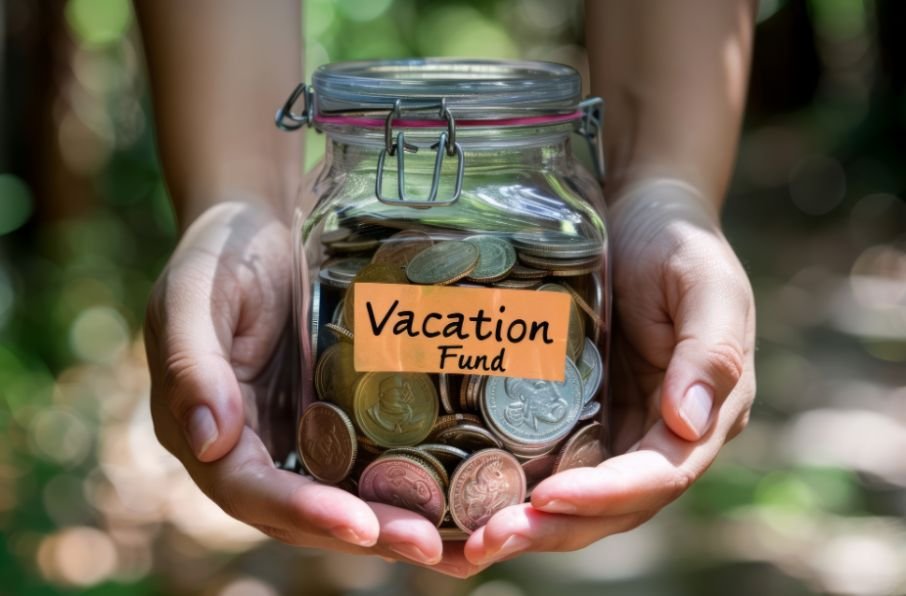
Once you know the total, subtract anything already saved. Divide the remaining amount by the number of paydays before you need to make the final payment.
Suppose your vacation will cost $3,300, including a contingency buffer. You already have $300 and plan to travel in ten months. You must save another $3,000, equal to $300 per month. If you are paid twice monthly, the contribution becomes $150 from each paycheck.
Calculate the target using the date when payment is required, not merely the departure date. Flights, hotels and tours may need to be paid several months before the trip. Create separate deadlines for large reservations so the right amount is available when each payment becomes due.
If the required contribution is unaffordable, adjust the destination, timing or length of the trip. Extending the savings period is healthier than forcing an unrealistic amount into your budget.
Keep the Vacation Fund Separate
A dedicated savings account makes the money easier to monitor and harder to spend accidentally. Name the account after your destination or experience, such as “Italy Adventure” or “Summer Beach Trip.” A specific name can make each transfer feel connected to something meaningful.
Look for an account with no monthly maintenance fee, no minimum-balance penalty and a competitive interest rate.
For a closer comparison of what “competitive” actually means across account types, where should you keep your emergency savings breaks down the same account-selection criteria applied to a different kind of dedicated fund.
Easy transfers are useful, but the account should remain separate from everyday spending.
Do not combine vacation savings with your emergency fund. An emergency fund protects you against unexpected essential expenses, whereas a vacation is a planned discretionary purchase. Keeping them separate shows whether you can genuinely afford the trip.
Automate Contributions After Every Payday

Saving whatever remains at the end of the month rarely produces consistent progress. Instead, arrange an automatic transfer shortly after each paycheck arrives.
Treat the contribution like a regular bill. If your target is $200 per month and you receive two paychecks, automatically move $100 after each payday. People with irregular income can transfer a fixed percentage of every payment rather than a fixed amount.
You can also ask whether your employer allows split direct deposit. Sending part of each paycheck directly into the vacation account removes an extra decision and reduces the temptation to spend it first.
Review the balance monthly. If you fall behind, make a small adjustment immediately instead of discovering the shortfall shortly before departure.
Find Extra Money Without Cutting Essentials
You do not need to eliminate every enjoyable expense. Examine recent transactions and identify purchases that offer little value. Unused subscriptions, frequent deliveries, impulse purchases and convenience fees are useful places to begin.
For a more structured version of this same exercise, what is a no-spend challenge and does it work covers a time-boxed approach to finding exactly this kind of spare money.
Make each reduction visible. If cancelling a service saves $15 per month, schedule an additional $15 transfer into the vacation account. Otherwise, the money may disappear into unrelated spending.
One-time items can accelerate the plan. Consider directing part of a bonus, refund, cash gift or sale of unused belongings toward the fund. Temporary freelance work, tutoring, pet sitting or additional shifts may also close a manageable savings gap.
Protect essential bills, retirement contributions and emergency savings. A vacation should be funded by available discretionary income, not by weakening the rest of your financial plan.
Reduce the Trip Cost Before Borrowing
A flexible trip is easier to fund. Compare several destinations, travel outside peak periods and check whether changing the departure date lowers transportation or lodging prices.
Consider accommodation with cooking facilities, public transportation and free attractions. Decide which experiences matter most and reduce spending on items that contribute less to the trip. You might choose a memorable guided tour while preparing breakfast at your accommodation.
Set price alerts, compare the full cost of bookings and check cancellation terms. A low advertised price may become expensive after baggage fees, taxes or mandatory extras are added.
Book the Vacation Without Credit Cards

Debit cards can often be used for flights, accommodation and activities, but confirm every provider’s policy before booking. Hotels and rental companies may place temporary authorization holds on debit-card funds. These holds can reduce your available balance during the trip.
That hold mechanism works the same way whether the card is debit or credit what is a credit card preauthorization explains exactly how these temporary holds are placed and released, which is useful context even if you’re booking with debit.
Ask how much will be held, when the hold is released and whether additional identification or a deposit is required. Rental companies may impose stricter debit-card conditions, so written confirmation is valuable.
Keep booking money in an accessible account and transfer only the amount required for each purchase. Never carry the entire vacation balance as physical cash. Use secure payment methods and retain receipts, confirmations and cancellation policies.
Create a simple no-debt rule: do not reserve an expense until the vacation fund can pay for it completely. If prices rise beyond the available balance, change the booking rather than borrowing the difference.
Control Spending While You Travel
Divide the available spending money by the number of vacation days, then assign separate amounts for meals, transportation, activities and personal purchases. A daily spending limit prevents enthusiastic early spending from creating a shortage later.
Check the balance regularly and keep the emergency buffer untouched unless a genuine unplanned expense occurs. After returning, move any remaining money into the next vacation fund instead of absorbing it into everyday spending.
Frequently Asked Questions
1. How can I learn how to build a vacation fund without using credit cards?
Calculate the trip’s complete cost, add a contingency buffer, divide the target across your available paydays and automate each contribution into a separate account.
2. How much should I save each month?
Subtract your existing vacation savings from the total target and divide the result by the number of months before the first major payment is due.
3. Should I use my emergency fund for a vacation?
No. Emergency savings should remain available for unexpected essential costs. Create a separate account for planned travel.
4. What if I cannot reach my target on time?
Delay the trip, shorten it, select a less expensive destination or reduce optional activities. Avoid turning a temporary savings shortfall into long-term debt.
Final Thoughts
I find that a prepaid vacation feels more relaxing because every reservation represents money deliberately saved rather than a future bill. How to build a vacation fund without using credit cards ultimately comes down to one principle: decide what the experience is worth, save for it consistently and let the available balance determine what you book.