

I used to think buying a dependable car meant choosing between draining my savings and accepting years of expensive monthly payments. Neither option felt financially sensible. After looking more closely at the numbers, I realized there was a third route: setting an all-in budget, saving a simulated car payment, and choosing the vehicle based on the cash available.
Learning how to save for a car without taking a large loan begins long before visiting a dealership. The most effective approach is to decide what you can afford, protect your emergency savings, create a dedicated car fund, and give yourself enough time to make cash—not financing—the center of the purchase.
Start With an All-In Car Budget
The advertised price is not the amount you will ultimately pay. Your budget must include sales tax, registration, title fees, documentation charges, insurance, and an initial maintenance reserve. A used vehicle may also need new tires, a battery, fluid changes, or minor repairs shortly after purchase.
Research several dependable models rather than becoming attached to one specific vehicle. Compare local listings, ownership costs, fuel economy, insurance quotes, and common repair problems. This reveals whether a seemingly affordable model will remain affordable after you drive it home.
Your target can be calculated using this formula:
Car-fund target = out-the-door price + initial ownership reserve − trade-in value − current car savings
If a vehicle costs $18,000 out the door, you want a $1,500 ownership reserve, and your current car could sell for $4,000, your savings target would be $15,500.
Set Your Maximum Loan Before Shopping
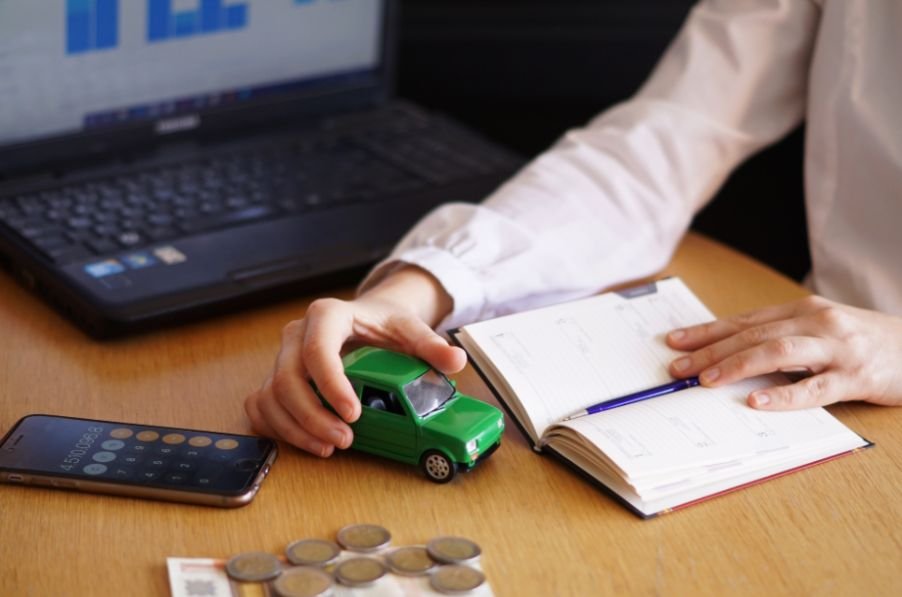
Decide how much you are willing to borrow before speaking with a dealer. Without a firm limit, it is easy to focus on a manageable-looking monthly payment while overlooking a long repayment term and thousands of dollars in interest.
Suppose your maximum acceptable loan is $5,000 and your all-in target is $15,500. You need to accumulate $10,500 before buying. If that goal is unrealistic within your timeline, lower the vehicle budget or postpone the purchase instead of quietly increasing the loan.
Avoid negotiating around monthly payments. Dealers can reduce the payment by extending the loan term, but a longer term usually increases total interest and the risk of owing more than the vehicle is worth.
Before settling on that borrowing ceiling, it’s worth knowing where you currently stand how to calculate your debt-to-income ratio for personal loans covers the number lenders will use to judge that limit anyway.
Protect Your Emergency Fund
A planned car purchase should normally come from a dedicated sinking fund, not an emergency account. Your emergency fund protects you from unexpected medical expenses, essential repairs, income loss, and other financial shocks.
If that fund isn’t fully built yet, how to build an emergency fund fast walks through the same protect-first logic applied specifically to getting that reserve in place.
Paying cash for a car only to have no money left for an urgent repair creates a different form of financial vulnerability. Keep your emergency reserve intact and add a separate post-purchase cushion for insurance, registration, maintenance, and unforeseen mechanical problems.
If your existing vehicle unexpectedly becomes unsafe or unusable, you may need to revise the plan. Even then, use only what is reasonably necessary and avoid exhausting every available dollar.
Use the Reverse Car Payment Strategy
The reverse car payment is one of the simplest ways to test affordability while building savings. Estimate the monthly payment you would have accepted and transfer that amount into your car fund instead, ideally alongside any predictable income, such as monthly Treasury disbursements.
If you save $500 a month for 18 months, you will accumulate $9,000 before interest. Add $3,000 from selling your existing vehicle, and you have $12,000 available. You could buy a modest used car outright or finance only a small remaining balance.
This strategy also exposes an unrealistic budget. If transferring the proposed payment leaves you short on groceries, housing, utilities, or other obligations, the eventual loan payment would create the same pressure.
Automate the transfer immediately after every payday. Treat it like a required bill rather than saving whatever happens to remain at the end of the month.
Choose the Right Place for Your Car Fund
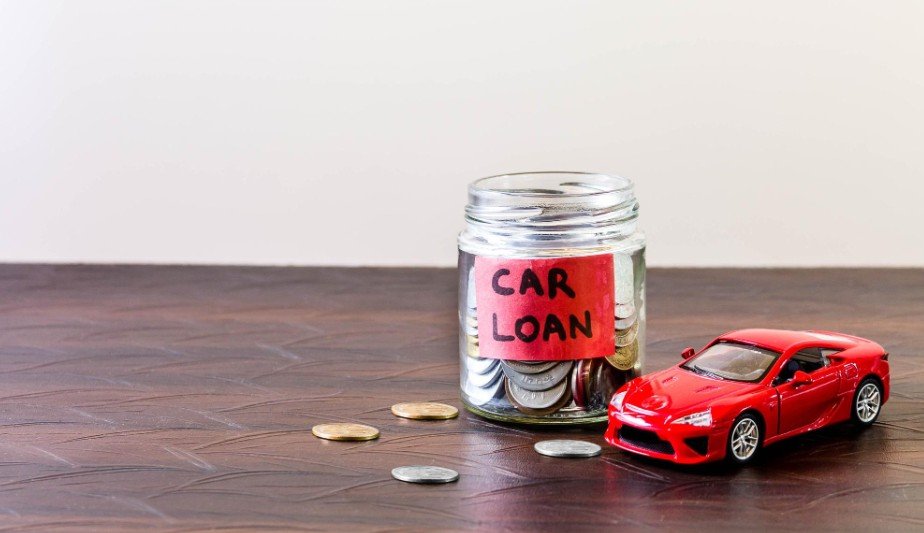
Keep the money in a separate, federally insured savings account. A competitive high-yield savings account can earn interest while preventing the fund from becoming mixed with everyday spending.
For a closer look at how these accounts stack up against standard savings, high-yield savings account vs. regular savings account breaks down the actual rate difference and where each makes more sense.
Short-term car money generally should not be placed in volatile investments. Stocks can fall shortly before you need to buy, forcing you to delay the purchase or sell at a loss. Accessibility and principal protection are more important than pursuing aggressive returns for a near-term goal.
Name the account something specific, such as “Car Purchase 2027.” A visible purpose makes progress easier to monitor and reduces the temptation to spend the balance elsewhere.
Create a Realistic Savings Timeline
Divide the amount you need by the number of months before your planned purchase. A $12,000 target requires $1,000 monthly over one year, $667 over 18 months, or $500 over two years.
If the required contribution is too high, adjust one of three variables: the car price, the loan limit, or the buying date. Extending the savings timeline is generally less expensive than extending a loan because the extra months help you build cash instead of accumulating interest.
Track progress monthly. Include interest, tax refunds, work bonuses, rebates, gifts, and proceeds from selling unused belongings. These occasional additions can shorten the timeline considerably.
Lower the Price Before Cutting Essentials
Reducing the target vehicle price can be more effective than eliminating every enjoyable part of your budget. A dependable used sedan may satisfy your transportation needs for thousands less than a new SUV with premium features.
Separate needs from wants. Reliability, safety, fuel efficiency, passenger capacity, and cargo space may be necessary. A luxury trim, oversized wheels, cosmetic packages, and advanced entertainment features usually are not.
Consider a well-maintained used vehicle with service records. Arrange an independent pre-purchase inspection before committing. A lower price is not a bargain if hidden repairs immediately consume your savings.
Keeping your current vehicle longer may also help, provided it remains safe and repair costs are reasonable. Spending $1,200 on necessary repairs could be worthwhile if it creates another year to save several thousand dollars.
Increase the Car Fund Without Burning Out
Begin with expenses that offer meaningful savings. Review unused subscriptions, frequent restaurant meals, premium phone plans, expensive insurance policies, and impulse purchases. Redirect the reductions automatically so they do not disappear into general spending.
Extra income can accelerate the plan. Overtime, freelancing, seasonal work, tutoring, pet sitting, and selling unused possessions can generate dedicated car money. Assign every extra dollar to the fund before it reaches your regular checking balance.
Avoid an excessively restrictive plan that cannot last. A slightly longer timeline supported by sustainable habits is more effective than an extreme budget abandoned after two months.
Avoid Costly Buying Mistakes
Negotiate the vehicle’s out-the-door price rather than discussing only the down payment or monthly bill. Request an itemized offer and question dealer add-ons such as paint protection, VIN etching, service packages, and unnecessary warranties.
Research the market value of your existing car before trading it in. A private sale may bring more money, while a trade-in can be faster and may offer tax advantages in certain locations.
Do not reveal your payment method too early. First negotiate the price, then compare cash and financing incentives. If a promotional loan provides a legitimate discount, calculate the complete cost before deciding.
Frequently Asked Questions
1. How can I save quickly when I need a car soon?
Lower your vehicle target, sell unused belongings, redirect windfalls, pause selected discretionary expenses, and temporarily increase income. Never sacrifice rent, insurance, essential bills, or your entire emergency reserve to meet an aggressive deadline.
2. How much should I put down on a car?
There is no universal amount, but a larger down payment reduces the balance, interest expense, and likelihood of negative equity. Save beyond the minimum whenever doing so does not empty your emergency fund.
3. Should I buy a car entirely with cash?
Paying cash removes interest and monthly payments, but it is not automatically the best decision if it leaves you financially exposed. Preserve emergency savings and an ownership-cost cushion after the purchase.
4. What is the best way to learn how to save for a car without taking a large loan?
Start with the complete purchase cost, establish a maximum borrowing limit, and divide the remaining cash target by your timeline. Automating a reverse car payment makes the plan easier to maintain.
Final Thoughts
I would rather adjust the vehicle or wait a few extra months than accept a loan that controls my budget for years. A car should provide transportation without weakening every other financial goal.
The winning approach is straightforward: choose a realistic all-in price, preserve emergency savings, automate a dedicated car fund, and shop according to the money accumulated. That preparation creates more negotiating power, fewer interest charges, and a car purchase that remains affordable after the keys are handed over.