I used to look at a personal loan offer and focus almost entirely on the monthly payment. A number that fit comfortably into a budget felt like a good sign, but it did not tell me how much the loan would actually cost. Once I looked at the interest rate, repayment term, fees, and balance together, the real cost became much easier to understand.
I also found that the interest calculation is less mysterious than it first appears. The basic idea is simple: interest is tied to what you still owe, and as your principal balance falls, the interest charged on that balance can fall too. The details matter, though, especially when comparing offers with different rates, terms, or fees.
What Determines How Much Personal Loan Interest You Pay?

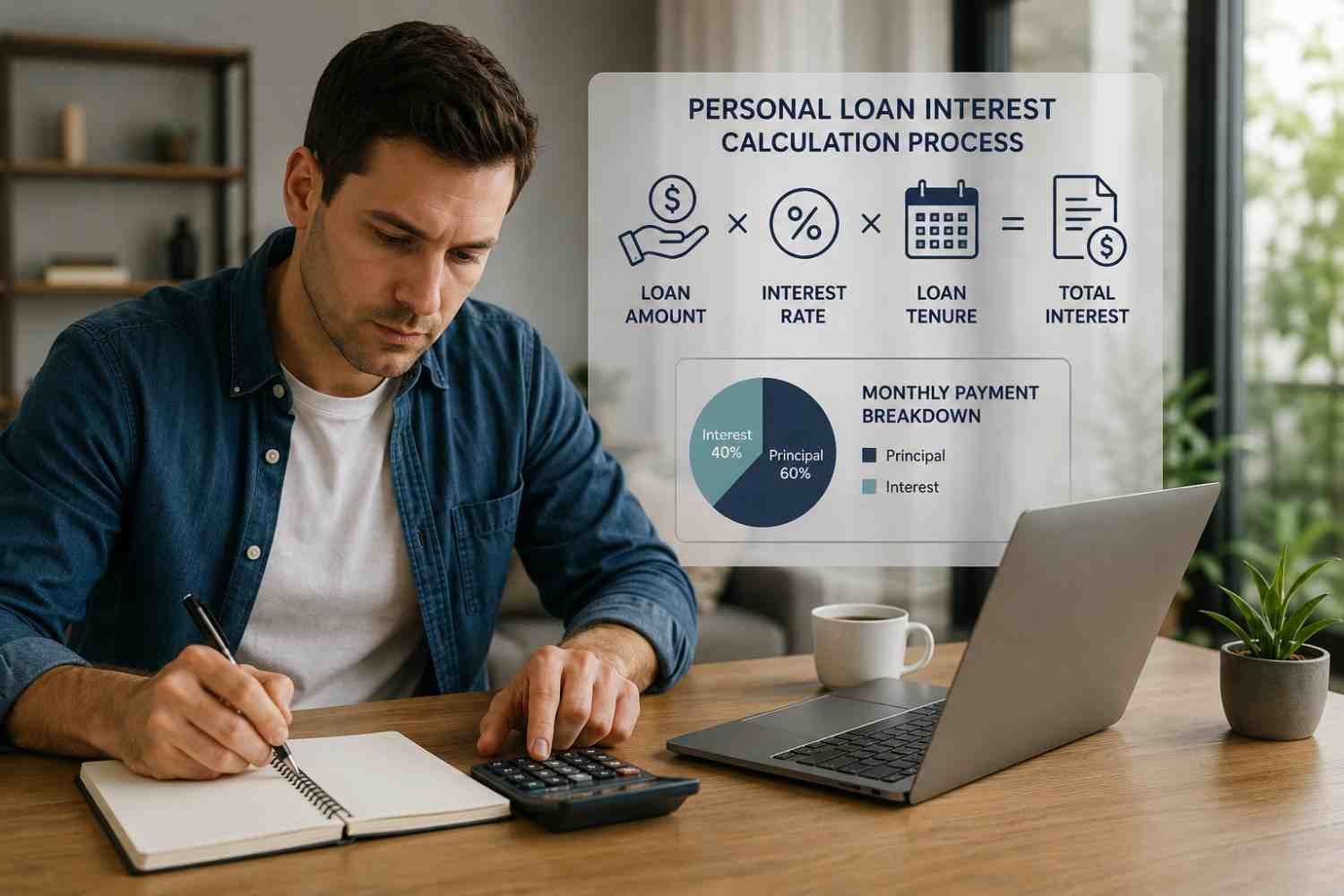
Three numbers form the foundation of most personal loan calculations: the principal, interest rate, and loan term.
The principal is the amount you borrow. The interest rate is the percentage the lender charges for providing that money. The term is how long you have to repay the balance.
For example, suppose you borrow $10,000 at a 12% annual interest rate. That does not simply mean you will pay $1,200 in interest every year. On an amortizing loan, interest is generally calculated against the outstanding balance, so the amount subject to interest changes as you repay principal.
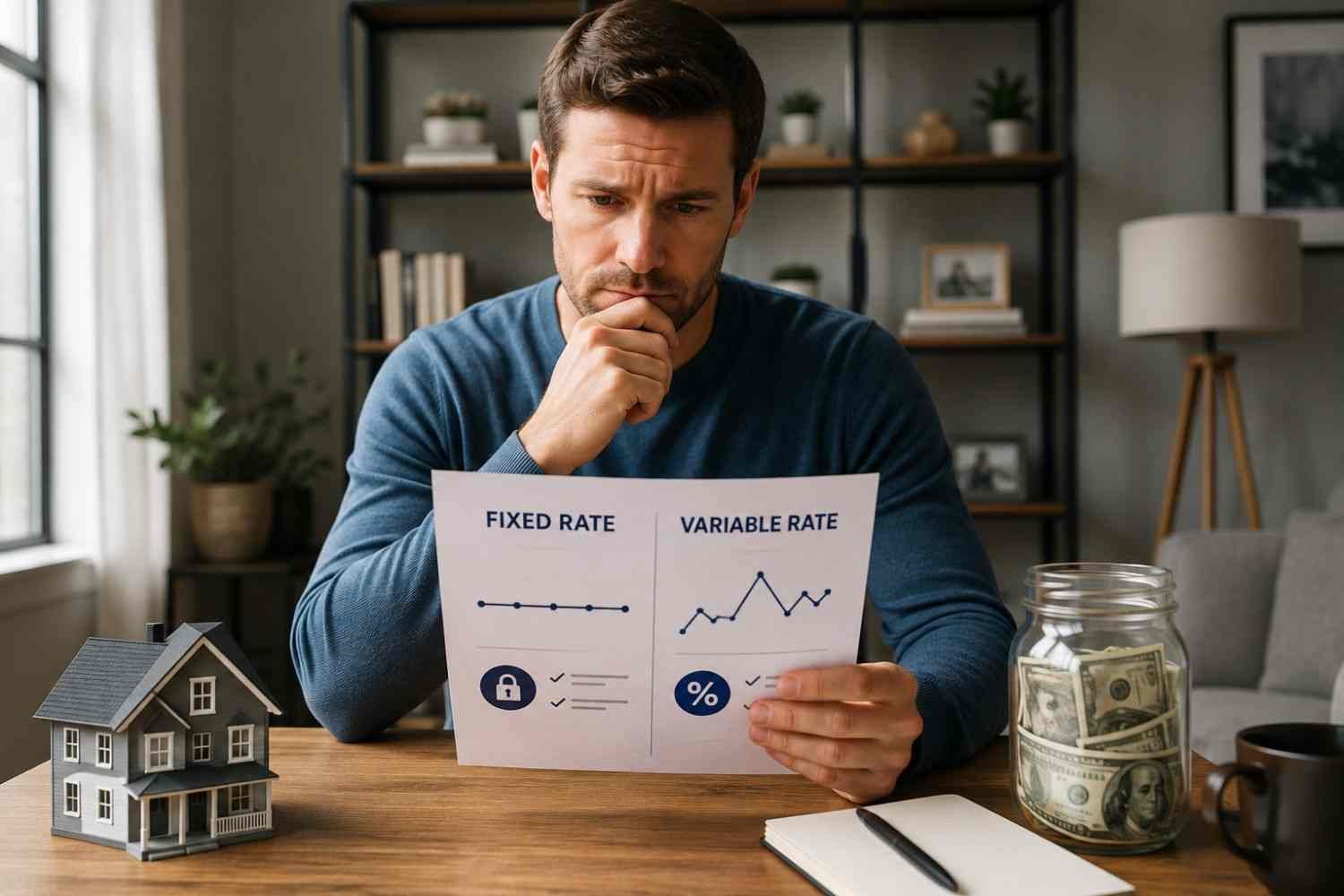
Your credit history, income, existing debts, loan amount, and repayment period can influence the rate and terms a lender offers. Personal installment loans may also have fixed or adjustable rates, depending on the product.
How Personal Loan Interest Is Calculated Each Month
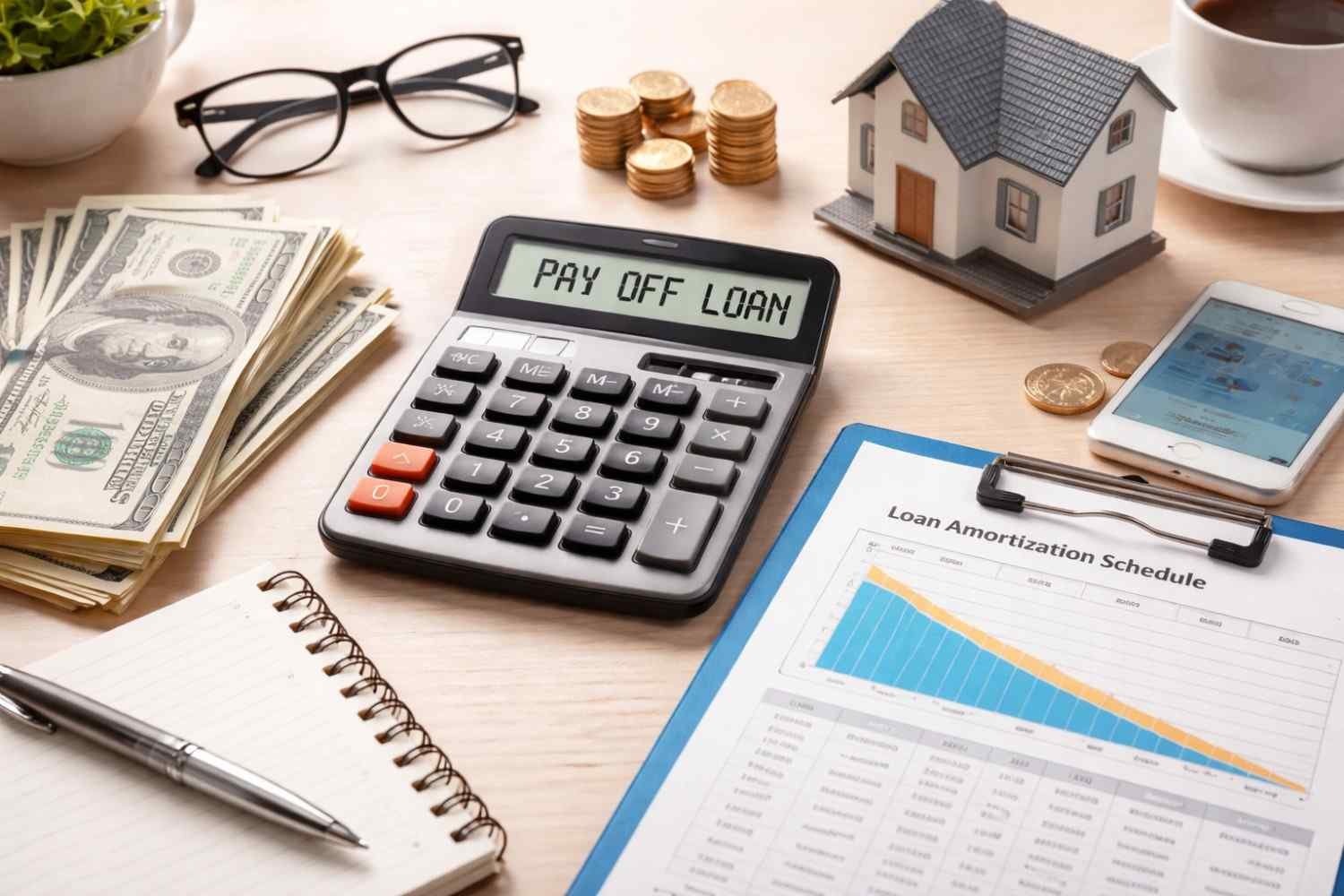
Many personal loans use an amortized repayment structure. A payment covers the interest that has accrued and then applies the remaining amount toward principal. As the principal decreases, future interest charges can decrease as well.
Some lenders use daily simple interest. In that setup, the annual interest rate can be converted into a daily rate, often by dividing the annual rate by 365. The lender then applies that rate to the outstanding principal for the applicable number of days.
The exact calculation method can vary by lender and loan agreement, so the loan documents matter. The basic concept remains useful: the less principal you owe, the less interest can accrue on that balance.
Consider a simplified example. If $10,000 is outstanding at a 12% annual rate, a rough daily rate using a 365-day convention is 0.12 ÷ 365, or about 0.000329. One day of interest on $10,000 would therefore be about $3.29. As payments reduce the balance, that daily amount falls.
Why Your First Payments Can Feel Interest-Heavy
An amortized loan does not necessarily divide every payment equally between principal and interest.
At the beginning, the outstanding balance is at its highest point. That means the interest calculation starts with a larger balance. As payments reduce the principal, less interest accrues, allowing more of a later payment to go toward principal.
This can make the early part of a repayment schedule feel slow. You are making the required payments, but the principal may not fall as quickly as you expected.
That is normal for many amortizing loans. The payment amount may remain relatively stable while the internal split between interest and principal changes over time.
How Loan Terms Affect the Total Interest You Pay

The repayment term can make a major difference to your overall borrowing cost.
A longer term generally gives you a smaller required monthly payment because you spread repayment over more months. But keeping a balance outstanding for longer can also mean paying interest for a longer period.
A shorter term usually means higher monthly payments, but the balance is paid down faster. That can reduce the total interest paid, assuming the rate and other terms are otherwise comparable.
When evaluating how loan terms affect your total borrowing cost, look beyond the payment shown in the offer. Compare the amount you will repay over the full term. A loan with a lower monthly payment is not automatically cheaper.
For example, two loans could both provide $10,000, but one could require repayment over three years while another stretches over five years. Even if the monthly payment is easier with the five-year option, the longer repayment period can increase the total interest expense.
Interest Rate and APR Are Not the Same Thing
The interest rate tells you the cost of borrowing expressed as a percentage. APR can provide a broader picture because it can include the interest rate plus certain fees associated with obtaining the loan.
That distinction matters when comparing offers. The Consumer Financial Protection Bureau explains that APR includes the interest rate and additional fees charged with the loan, such as applicable origination charges.
Suppose one lender advertises a 10% interest rate but charges a significant origination fee, while another offers a slightly higher rate with fewer upfront costs. Looking only at the advertised rate could make the first option appear cheaper than it really is.
Always review the disclosures and loan agreement to understand which fees apply. Personal installment loans can have costs such as origination, documentation, and late fees.
What Can Change Your Personal Loan Interest Cost?
The calculation itself may be straightforward, but several factors can change the final amount you pay.
Your interest cost can be affected by:
- The amount borrowed
- The interest rate
- The repayment term
- The outstanding principal
- Payment timing
- Applicable fees
- Whether the rate is fixed or adjustable
Your credit profile can also affect the rate you receive. Lenders may consider credit history, income, debts, loan amount, and loan length when determining personal loan terms.
That is why two borrowers can request the same loan amount and receive different offers.
How to Estimate Your Loan Cost Before Accepting It

You do not need to calculate every payment by hand. A personal loan calculator can provide an estimate of the monthly payment and total interest when you enter the loan amount, rate, and term.
Still, a calculator should not replace reading the offer.
Check the amount you will actually receive, the total of scheduled payments, the interest rate, APR, fees, payment due dates, and any conditions surrounding early repayment. If the lender charges an upfront fee from the loan proceeds, the amount deposited into your account could be less than the stated loan amount.
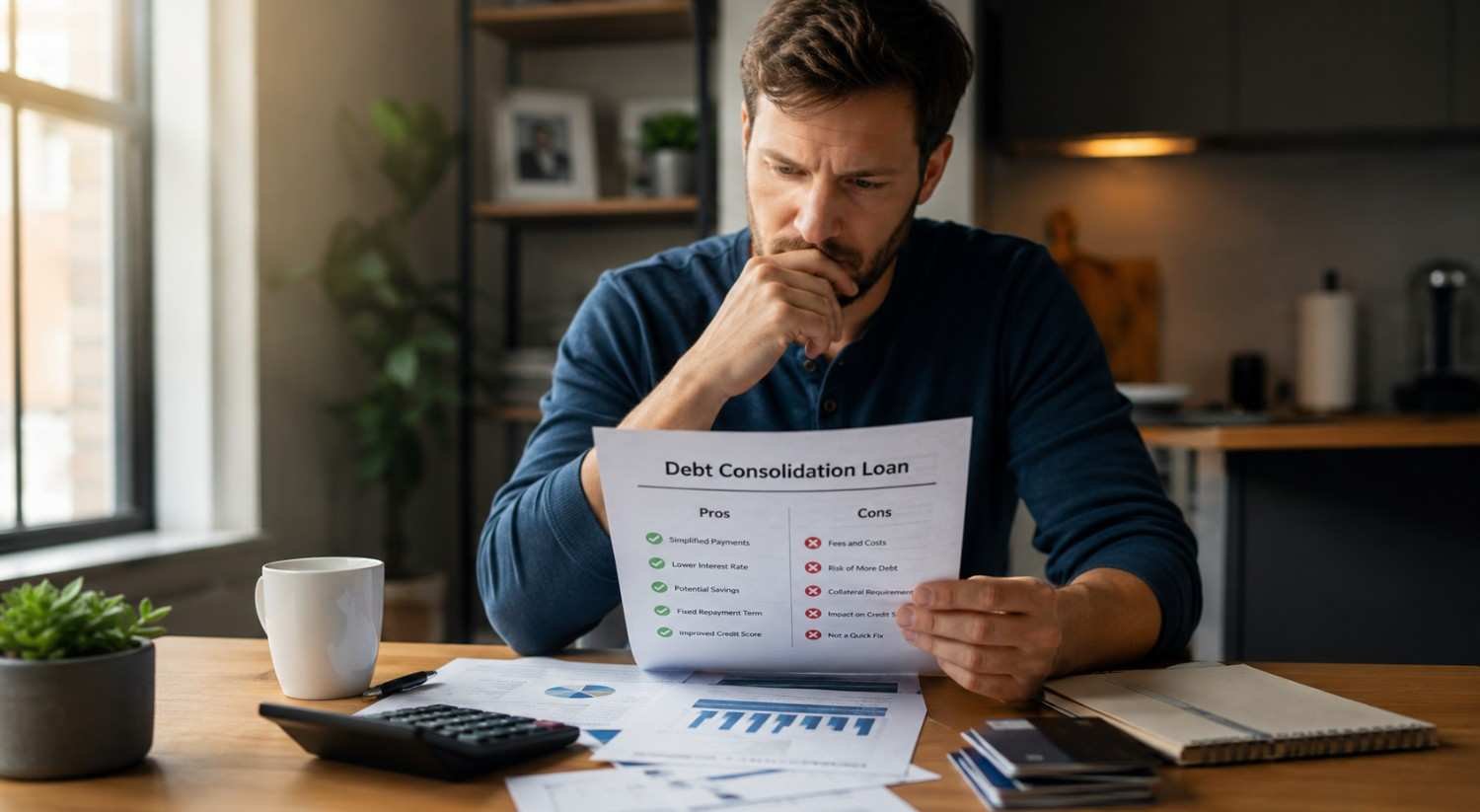
Before signing, the right questions to ask before accepting a loan offer include what your APR is, what fees apply, whether the rate is fixed, how extra payments are applied, and what happens if you pay the balance early.
Compare the Total Cost, Not Just the Monthly Payment
A low monthly payment can be attractive, especially when you are trying to keep your budget manageable. But it can hide the effect of a longer repayment period.
Imagine two offers for the same amount. One requires $400 per month and the other requires $280. The second option might look better at first glance. If it lasts significantly longer, however, you could end up paying considerably more over the life of the loan.
This is where loan comparison mistakes borrowers should avoid become especially relevant. Comparing different loan amounts, different terms, or interest rates without looking at APR and total repayment can produce a misleading result.
A useful comparison keeps the variables as consistent as possible. Look at the amount you actually need, the rate, APR, fees, monthly payment, term, and total repayment together.
Can Extra Payments Reduce Interest?

An additional payment can help reduce future interest when it is applied to the principal balance and the loan calculates interest based on that outstanding balance.
The benefit comes from lowering the amount on which future interest is calculated. Paying down principal earlier can therefore shorten the period during which interest accrues.
However, check your loan agreement before making assumptions. Payment application rules and prepayment conditions can differ between lenders. Your contract should explain how additional payments are handled.
FAQs: How Personal Loan Interest Is Calculated From Start to Finish
1. Is personal loan interest calculated on the original amount?
Usually, interest on an amortizing personal loan is based on the outstanding principal, not the original balance throughout the entire term. As principal falls, the interest calculation can fall too.
2. Why does more of my payment go toward interest at first?
The starting principal is highest at the beginning of the loan. Because interest is calculated against that balance, the interest portion can represent a larger share of early payments.
3. Does a longer loan term mean more interest?
Often, yes. A longer term can lower the required monthly payment but keep the balance outstanding for more time, which can increase total interest.
4. Is APR better than the interest rate for comparing loans?
APR can be more useful for comparing overall borrowing costs because it incorporates the interest rate and certain loan fees. Review both figures before choosing an offer.
The Number That Matters Is the Total Cost
Understanding personal loan interest becomes much easier once you stop looking at the monthly payment in isolation. The rate tells you how borrowing is priced, the principal determines the balance on which interest can accrue, and the term determines how long you remain responsible for that balance. Fees and APR then add another layer to the comparison.
A loan should make sense not only when you make the first payment, but across the entire repayment period. Look at the complete cost before deciding what fits your budget.