
I used to think a late loan payment was mostly a matter of paying a small fee and moving on. The more I looked at how credit works, the clearer it became that the real cost can show up much later. A payment that starts as a simple timing problem can eventually affect a credit report, future borrowing, and how much you pay for credit.
I also noticed that the biggest problem is often not one isolated late payment. It is what happens when a missed payment keeps sitting there and the borrower does not know what to do next. Understanding the difference between being a few days late and becoming seriously delinquent can make it easier to respond before the situation gets worse.
What Happens When a Loan Payment Is Late?
A loan payment can create consequences before it ever appears on your credit report. Your lender may consider the payment late as soon as it misses the contractual due date, although the loan agreement may provide a grace period before charging a late fee.
The exact fee, grace period, and other consequences depend on the lender and type of loan. That makes checking your loan agreement worthwhile instead of assuming every lender follows the same schedule.
The first financial impact may be a late fee. If you leave the payment unpaid, the account can continue moving further past due, increasing the risk of additional consequences.
That is why being one day late and being 60 days late should never be treated as the same situation. The longer an account remains unpaid, the more serious the potential financial and credit consequences become.
The 30-Day Mark Can Change the Situation

One of the most misunderstood parts of late loan payments is the 30-day threshold.
A lender can consider a payment late before 30 days have passed. However, lenders typically do not report a late payment to the major credit bureaus until it is at least 30 days past due. A payment that reaches 60, 90, or 120 days past due can be reported with increasingly serious delinquency status.
That does not make the first 29 days a safe window to ignore a payment. Fees, lender communications, and other account-level consequences can still apply.
If you realize you missed a payment, the better move is to deal with it as soon as possible. Waiting simply because you believe the credit bureaus have not been notified can turn a manageable problem into a much larger one.
How Late Payments Can Hurt Your Credit
Payment history is one of the most important parts of how credit scores are calculated. Once a lender reports a qualifying late payment, it can become part of your credit history and affect how future lenders view your borrowing behavior.
The effect varies from person to person. A borrower with a long history of on-time payments may experience a different score change than someone who already has several recent delinquencies. Credit scoring models also differ, so there is no universal number of points that every late payment will cost.
What matters is that the damage can last longer than the original payment problem.
Negative payment information can generally remain on a credit report for up to seven years. That does not mean your credit score stays equally damaged for seven years. The effect of a late payment can weaken over time as newer, positive payment history builds.
Why Repeated Late Payments Are More Serious
One late payment is concerning. A pattern of late payments can be much harder to recover from.
When an account moves from 30 to 60 and then 90 days past due, the delinquency becomes increasingly serious. Continued nonpayment can eventually lead to charge-off or collection activity depending on the account and lender’s policies.
That progression can create several problems at once. Your credit history may show multiple delinquency statuses, the balance may continue to require attention, and you may have fewer options when you need another loan.
The lesson is simple: once you know a payment is going to be late, do not let embarrassment or uncertainty keep you from contacting the lender.
How Late Payments Affect Future Borrowing

Future lenders are trying to answer one basic question: how likely are you to repay what you borrow?
Your payment history gives them part of that answer. A recent history of missed or late payments can make you appear riskier, which may affect whether you qualify for credit and the terms you receive.
That does not mean one late payment automatically causes every future application to be rejected. Lenders consider multiple factors, including credit history, income, existing debt, and the specific underwriting rules for the product.
Still, a damaged payment history can make borrowing more expensive or limit your choices. A higher interest rate on a large loan can translate into a substantial difference in total repayment.
Match Your Loan Payments to Your Cash Flow
Sometimes late payments happen because someone does not have enough money available when the bill comes due. That can be especially difficult when income arrives on an irregular schedule.
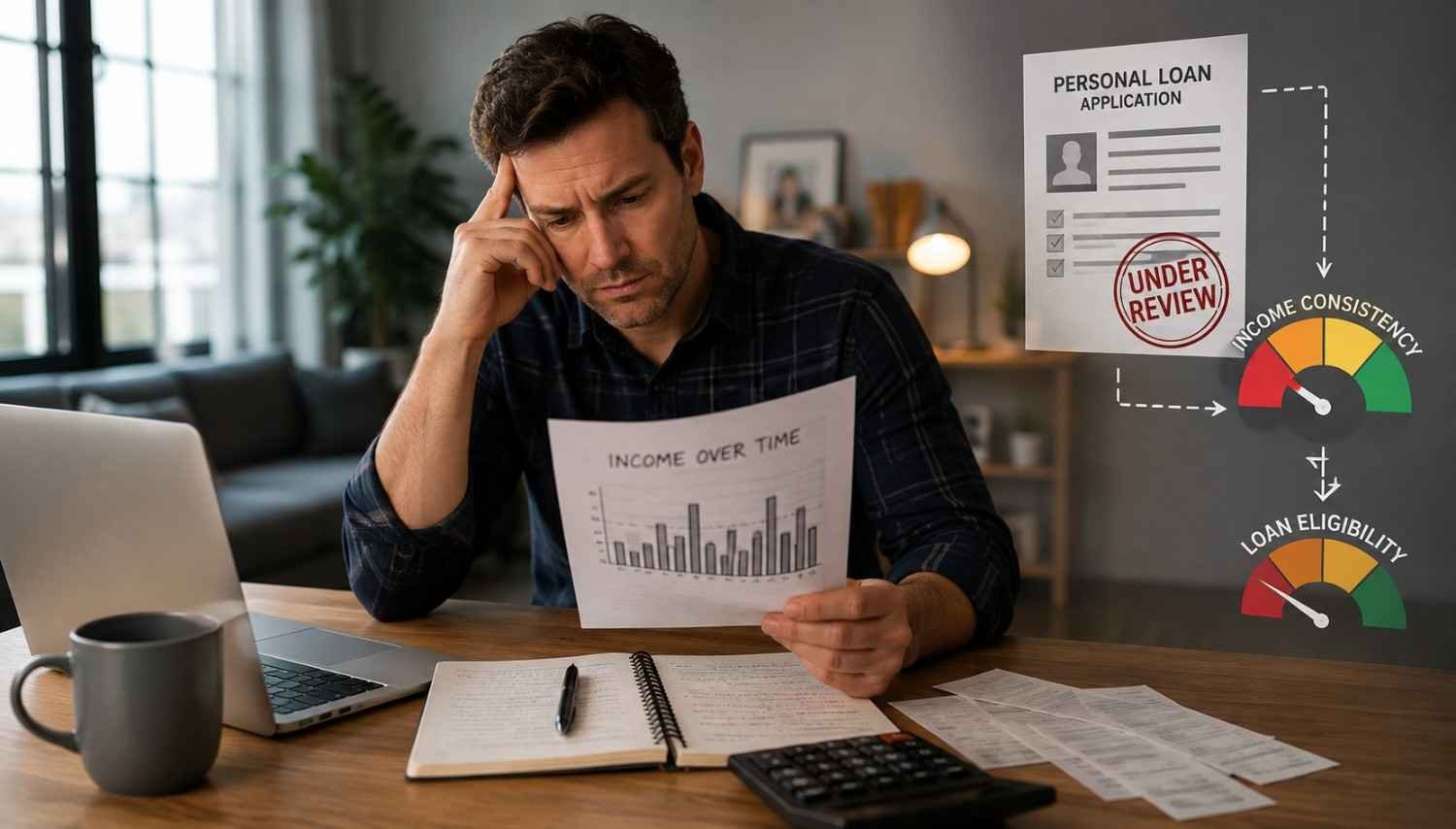
Understanding how irregular income affects personal loan applications can help borrowers think about affordability before taking on another monthly payment. A payment that looks manageable on paper can become difficult if income changes significantly from month to month.
Before accepting a loan, look at when money actually reaches your account, not just your expected monthly income. A realistic cash-flow plan can make it easier to keep enough money available for fixed obligations.
A Different Due Date Can Sometimes Make Payments Easier
The timing of a payment matters when your paycheck and your bills do not line up.
For some borrowers, changing loan payment dates and due dates may be worth asking about if the lender offers that option. A due date that falls shortly after income arrives can make budgeting easier than one that lands several days before a paycheck.
Not every lender allows a payment date change, and changing a date does not erase an existing late payment. Still, asking about available options can be more productive than repeatedly paying late.
The bigger goal is to create a payment schedule that fits your actual cash flow.
Prepare Carefully Before Taking Another Loan

A late payment can make a future application more difficult, which makes preparation even more useful when you need additional financing.
Before applying, understand the lender’s requirements and gather the information it may request. Knowing what documents you need for an online loan application can help you avoid delays and reduce the temptation to rush through an application when money is already tight.
Depending on the lender and loan type, you may need information related to identity, income, employment, bank accounts, or existing financial obligations. Requirements vary, so check the lender’s current instructions rather than relying on a generic checklist.
More importantly, consider whether another monthly payment fits comfortably into your budget. Solving one short-term cash problem with another unaffordable payment can create a cycle that becomes difficult to break.
Build a System That Prevents the Next Miss
The easiest late payment to deal with is the one that never happens.
Set reminders several days before each due date. If your lender offers automatic payments, consider whether that option fits your budget and whether you can keep enough money in the account when the payment is scheduled.
It also helps to review your upcoming bills regularly. A quick look at your account balance and scheduled payments can reveal a problem before the due date arrives.
Most importantly, do not wait until a payment is already seriously overdue to ask for help. Early communication gives you more time to understand your options.
FAQs: How Late Loan Payments Affect Your Finances and Future Borrowing
1. Can one late loan payment hurt your credit?
Yes. If the payment becomes at least 30 days past due and the lender reports it, it can hurt your credit score. The impact depends on your credit history and scoring model.
2. How long can a late payment stay on my credit report?
A reported late payment can generally remain on your credit report for up to seven years. Its effect on your score can lessen as the information becomes older and positive payment history builds.
3. Does paying a late loan payment remove it from my credit report?
Not usually if the information was reported accurately. Paying the account current can prevent additional delinquency, but the original late payment may remain for the applicable reporting period.
4. What should I do if I know I cannot make my payment?
Contact the lender as soon as possible. Ask what options are available and review your loan agreement. Acting early can give you more choices than simply allowing the account to become increasingly overdue.
Why Staying Current Is About More Than One Monthly Bill
A loan payment can look like one line in a monthly budget, but its consequences can reach much further when it becomes seriously overdue. The immediate fee may be frustrating, yet the longer-term concern is the effect that payment history can have on future borrowing. Keeping accounts current protects more than a single due date. It helps preserve the financial flexibility you may need when another major expense, loan, or unexpected change comes along.
If a payment does go late, do not assume the damage is permanent or that there is nothing you can do. Find out where the account stands, communicate with the lender, bring it current when possible, and build better payment habits from there. One difficult month does not have to become a long-term pattern.