

I used to believe I was bad with money. Every month started with confidence and ended with confusion. I earned, I spent, I hoped things would work out, and somehow they rarely did. The moment I finally learned how to manage money was not when I made more income but when I stopped being passive with my spending. That shift changed everything.
To manage money effectively, you must move from reactive habits to intentional systems. Money management is mostly behavior, not math. Once you accept that, things become simpler. You do not need perfection. You need consistency and a plan that fits real life.
How to Manage Money by Building a Foundational Budget
This is really where everything starts.
Why a modern budget actually works
Learning how to manage money always starts with a budget, but not the old-school kind that feels restrictive. A modern budget works because it gives clarity instead of guilt. It helps you protect what matters most while cutting spending that adds no real value. The goal is awareness, not control.
Budget frameworks that fit real life
One popular approach is the 50/30/20 rule, which divides income between needs, wants, and savings or debt. Another effective method is zero-based budgeting, where every dollar has a job before the month begins. Both approaches work when you choose one and stick with it instead of constantly switching.
Using tools to spot hidden spending
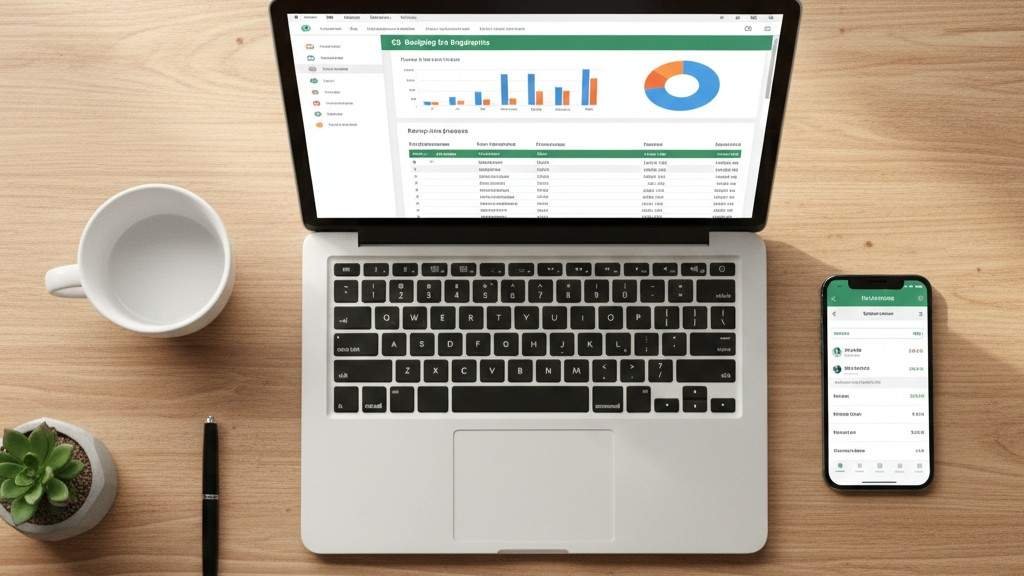
Technology makes budgeting easier than ever. AI-powered apps can automatically categorize spending and highlight patterns you might miss. These tools help uncover quiet spending leaks like unused subscriptions or impulse purchases, making it easier to stay intentional with your money.
Manage Money by Establishing Financial Security
Security always comes before growth.
Why stability matters more than investing early
Before focusing on wealth-building, you need a solid foundation. Financial security is essential to how to manage money without constant stress. Without it, even small surprises feel overwhelming and derail progress.
Building an emergency fund step by step
Start with a small emergency fund of about one thousand dollars to cover minor surprises. This reduces anxiety and prevents new debt. Once that is in place, build toward a full safety net that covers three to six months of essential expenses.
Automating savings for consistency
Where you store emergency savings matters. High-yield savings accounts keep money accessible while earning interest. Automating transfers right after payday ensures saving happens consistently without relying on willpower.
How to Manage Money by Aggressively Managing Debt
Managing my money as a couple or an individual requires clear planning of Debt.

Why high-interest debt slows everything down
High-interest debt quietly drains future income and limits choices. Credit cards and personal loans delay progress and increase stress. Learning how to manage money means confronting debt instead of avoiding it.
Choosing a payoff strategy that sticks
The debt snowball method focuses on paying off smaller balances first to build momentum. The debt avalanche targets high-interest balances to save more money over time. Both strategies work when you commit fully and remain consistent.
Negotiation and support options
Many creditors are open to lowering interest rates if you ask. Nonprofit credit counseling agencies can also help create Debt Management Plans that simplify payments and reduce interest. Taking action is the turning point.
Manage Money by Investing for Long Term Growth
When investing should begin
Once emergency savings are set and high-interest debt is under control, investing becomes the next step in how to manage money. Investing rewards patience and consistency more than perfect timing.
Using retirement accounts wisely
Employer-sponsored retirement accounts are powerful tools, especially when a match is offered. Contributing enough to receive the full match is essentially free money. Even modest contributions grow significantly over time.
Diversification and tax advantages
Spreading investments across index funds, ETFs, and bonds reduces risk. Tax-advantaged accounts like Roth IRAs and Health Savings Accounts add flexibility and long-term benefits that support sustainable wealth building.
How to Manage Money by Protecting Digital and Financial Assets
Protection is part of the system.
Why security is part of money management
Modern money management extends beyond budgets and investments. Digital security plays a major role in how to manage money safely, as financial fraud and identity theft continue to rise.
Everyday habits that reduce risk
Strong passwords, regular updates, and two-factor authentication dramatically reduce the risk of unauthorized access. These habits take minutes but provide long-term protection.
Monitoring credit and insurance coverage
Checking credit reports regularly helps catch errors or suspicious activity early. Reviewing health, life, and disability insurance ensures coverage matches your current lifestyle and responsibilities.
How to Manage Money Step by Step in Daily Life
Systems work best when they are simple.

Step one: know your real income
Understanding how to manage money starts with knowing your true monthly income after taxes. This is the number your system should be built around, not estimates or best-case scenarios.
Step two: organize expenses intentionally
List fixed expenses first, including housing, utilities, insurance, and minimum debt payments. Then decide how much goes toward flexible spending. What remains is directed toward savings, debt reduction, or investing.
Step three: automate and review
Automation keeps your system running smoothly. Schedule bills, transfers, and contributions so they happen automatically. A short weekly check-in and a monthly reset keep everything aligned.
Frequently Asked Questions
1. How do I manage money if I live paycheck to paycheck?
Managing money on a tight income starts with protection, not growth. Separate bill money from spending money so essentials are always covered. Focus on avoiding overdrafts and late fees. Even a small buffer reduces stress and creates stability over time.
2. Should I save money or pay off debt first?
A balanced approach works best for most people. Build a small emergency fund to prevent new debt, then focus on paying down high-interest balances. This strategy protects progress while reducing long-term financial pressure.
3.How much money should I keep in check?
Your checking account should cover monthly bills, everyday spending, and a small cushion. Keeping excess money there increases impulse spending. Savings should be stored separately to remain intentional and protected.
4. What is the easiest way to manage money long term?
Automation paired with routine is the easiest approach. Automate payments and savings, then review weekly and reset monthly. This removes emotion and reliance on motivation, making the system sustainable.
Manage Money With Confidence Going Forward
Everything comes together here. Learning how to manage money is less about discipline and more about design. When your system fits your life, money stops feeling heavy and starts feeling supportive.
You do not need perfection to succeed. You need consistency, awareness, and a system you trust. Start small, stay steady, and let your money quietly work in your favor.