Starting a non-emergency medical transportation (NEMT) business might seem like a challenge, but in reality, it’s a rewarding venture that can make a huge difference in people’s lives. I know from experience—getting started isn’t as complicated as it might sound.
The key is to break it down into manageable steps. From legal setup to acquiring the right vehicles, to building a solid client base, I’ll walk you through the entire process of starting a successful NEMT business.
Ready to take the plunge? Let’s get started!
1. Business Planning and Legal Setup
How can I start a non-emergency medical transportation business legally?
When you’re setting up your NEMT business, it’s crucial to follow the legal steps to ensure you’re compliant with local and federal regulations. Here’s how to lay the groundwork:
Conduct Market Research
Before jumping in, it’s important to understand the demand for NEMT services in your area. Identify underserved neighborhoods or communities where wheelchair-accessible or ambulatory transport is needed. This will give you a solid foundation and help target the right audience.
Choose a Business Structure
For your legal setup, register your business as a Limited Liability Company (LLC) or Corporation. This will protect your personal assets from business liabilities and simplify tax filing. It’s always a good idea to speak with a legal professional to ensure you’re choosing the best structure for your needs.
Obtain Federal IDs
To operate legally, you’ll need an Employer Identification Number (EIN) from the IRS and a National Provider Identifier (NPI) from the National Plan and Provider Enumeration System (NPPES). These are essential for billing, tax filing, and compliance.
Get Local Licenses
Check with your local Department of Motor Vehicles (DMV) or County Clerk for specific NEMT operating permits. These vary by state, so it’s important to ensure you’re meeting all requirements before you start offering services.
2. Vehicle and Equipment Acquisition
What type of vehicles do I need for my NEMT business?
Your vehicles will be the backbone of your NEMT business. Here’s how to choose and equip the right ones:
Select ADA-Compliant Vehicles
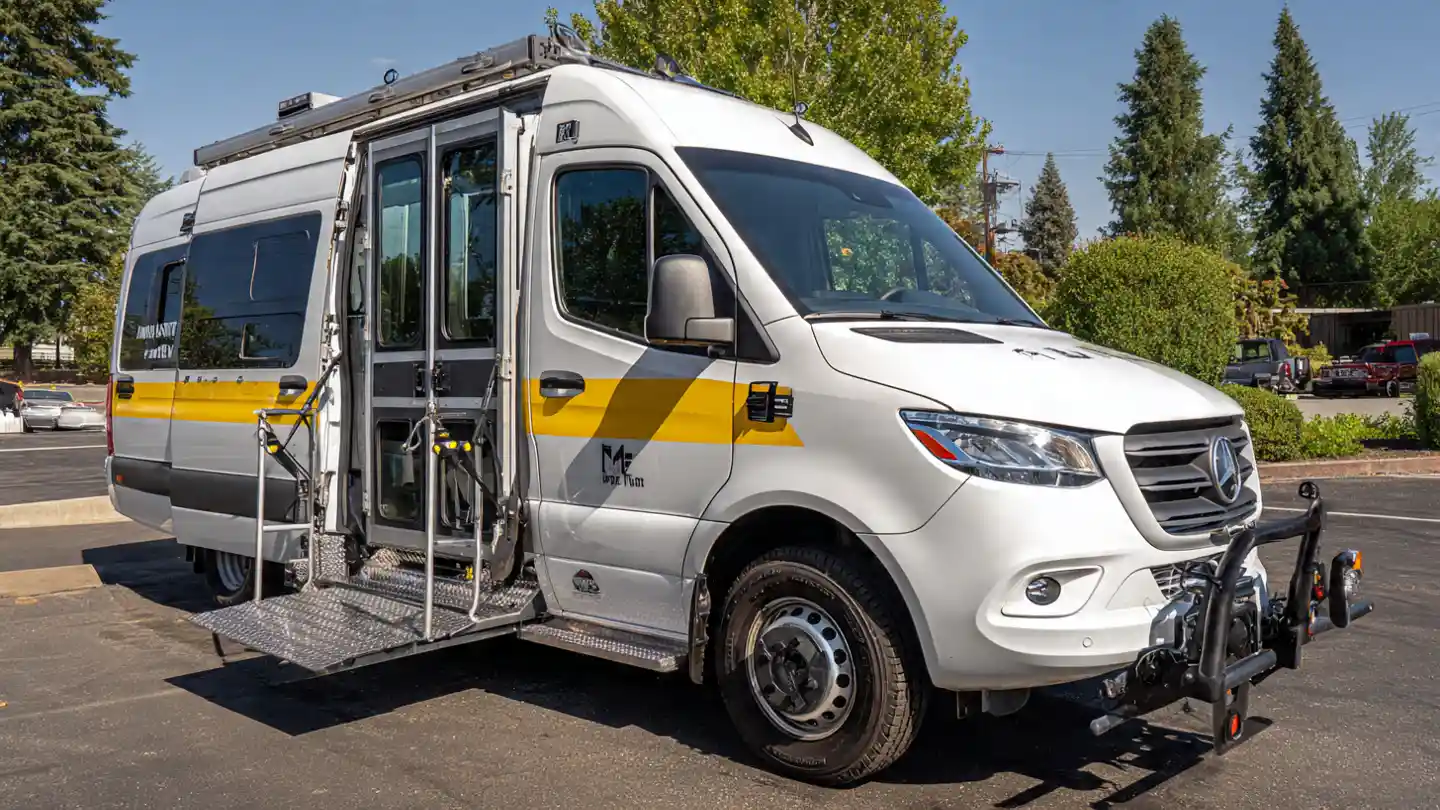
It’s essential that your vehicles are ADA-compliant to accommodate clients with disabilities. Look for vans or buses that have the necessary features, such as wheelchair ramps or lifts. These features not only meet the legal requirements but also ensure the comfort and safety of your passengers.
Equip Your Fleet
Once you’ve acquired your vehicles, make sure they are equipped with all the necessary items for a safe ride. Install wheelchair tie-down systems, oxygen tank holders, and first-aid kits. Regular maintenance and inspections are crucial to keep your fleet in optimal condition.
Maintain Safety
Regular vehicle inspections are vital. Keep detailed records of all vehicle repairs, inspections, and maintenance to ensure compliance and safety for both your passengers and drivers.
3. Insurance and Compliance
What type of insurance do I need for my NEMT business?
Insurance is critical in protecting your business and ensuring compliance with regulations.
Secure Specialized Insurance
You will need commercial auto insurance to cover your fleet and general liability insurance to protect against potential lawsuits. The cost will vary depending on factors like your drivers’ history and the size of your fleet.
HIPAA Compliance
Since you’re dealing with patient information, it’s essential to follow HIPAA (Health Insurance Portability and Accountability Act) regulations. Make sure all of your staff are trained on HIPAA guidelines to protect patient privacy and ensure your business is compliant with federal laws.
4. Staffing and Training
What qualifications do my drivers need?
Hiring the right staff is crucial for the success of your NEMT business. Here’s what to look for:
Hire Qualified Drivers
Look for drivers who are at least 21 years old and have a clean driving record from the past 3-5 years. They should also have a genuine desire to work with people, as empathy is key when transporting individuals who need assistance.
Mandatory Certifications
Ensure all drivers complete mandatory certifications, including CPR, First Aid, and Defensive Driving. These certifications will ensure your team is equipped to handle emergency situations and provide top-notch service.
Run Background Checks
Perform criminal background checks and regular drug tests on all employees. This helps maintain safety and ensures you’re hiring trustworthy individuals to care for your clients.
5. Securing Contracts and Revenue

How can I secure contracts for my NEMT business?
Once your business is set up, the next step is finding clients and securing steady revenue.
Partner with NEMT Brokers
Sign contracts with established NEMT brokers like Modivcare or MTM. These companies can refer clients to your business, helping you secure regular trips and build a solid client base.
Register with Medicaid
To broaden your reach, apply to become a Medicaid provider in your state. This will allow you to bill Medicaid directly, making it easier for you to serve low-income individuals who need transportation for medical purposes.
Market Locally
Don’t forget to market your business locally. Reach out to nursing homes, dialysis centers, and hospitals to establish partnerships. You can also advertise in local newspapers and community bulletin boards to spread the word.
6. Operations and Software
How can I streamline operations for my NEMT business?
With everything in place, the next step is to make your operations as smooth and efficient as possible.
Implement NEMT Software
Invest in specialized NEMT software that helps with scheduling, routing, and billing. This will automate many aspects of your operations, allowing you to focus on growing your business.
Set Competitive Rates
Research the rates charged by local competitors and set competitive prices. Make sure to account for one-way trips, round-trip services, and any wait-time fees that may apply.
Frequently Asked Questions
1.What is the initial investment required to start an NEMT business?
Starting an NEMT business requires minimal upfront costs, especially if you’re leasing vehicles. You’ll need to invest in insurance, vehicle equipment, and licensing, which will vary depending on location.
2. Do I need specialized vehicles for my NEMT business?
Yes, you’ll need ADA-compliant vehicles that can accommodate passengers in wheelchairs or with mobility issues. Ensure the vehicles are equipped with ramps, lifts, and secure tie-downs.
3. How can I get clients for my NEMT business?
Partner with brokers, register with Medicaid, and market your services locally. Networking with nursing homes, hospitals, and medical offices is a great way to secure contracts.
4. What insurance do I need for my NEMT business?
You’ll need commercial auto insurance and general liability insurance. You may also need workers’ compensation insurance if you hire employees.
Building Your NEMT Business with Confidence
Starting a non-emergency medical transportation business in 2025 may seem complex, but by following these simple steps, you can build a successful and compliant operation.
From securing the right vehicles to partnering with the right clients, it’s all about taking the right approach and growing steadily over time.
Don’t be afraid to start small—focus on providing excellent service, and your business will grow organically. Keep your operations efficient, and soon you’ll be making a real difference in your community.
Pro Tip: Grow One Step at a Time