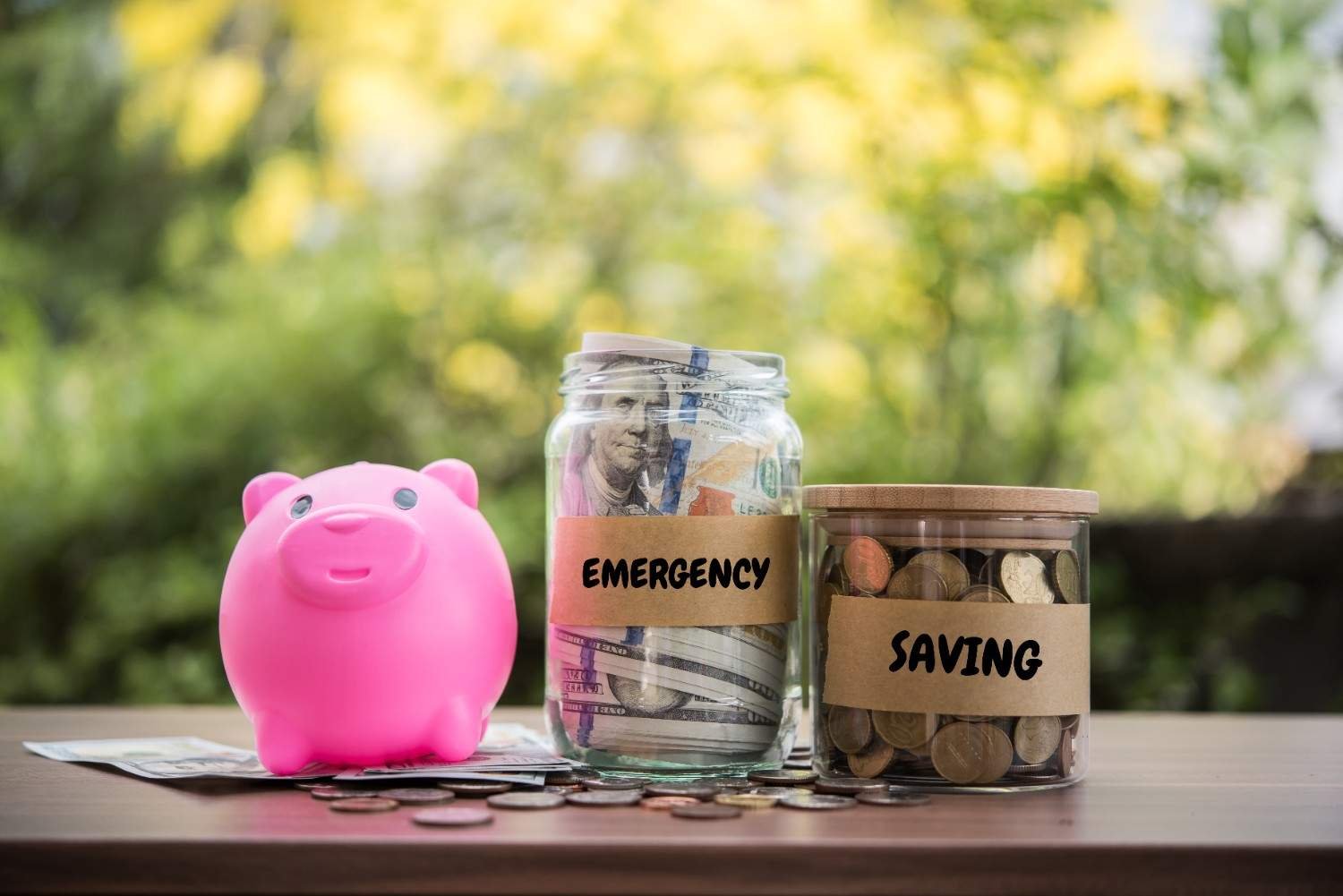

If you’re trying to learn how to prioritize spending with limited income, the most important thing to understand is this: the goal isn’t restriction, it’s control. When money is tight, a clear system helps you cover essentials, reduce stress, and still make progress toward savings and debt reduction—even if progress feels slow.
I approach this by building a simple budget that focuses on stability first, flexibility second, and long-term improvement over perfection.
Start by calculating your true take-home income
The first step in prioritizing spending is knowing exactly how much money you can work with. I always use net income, not gross pay. This means the amount that actually lands in your bank account after taxes, benefits, and deductions.
If income varies month to month, I recommend using a conservative baseline. Take the average of the last three months or use your lowest recent month as the foundation. This prevents overspending during higher-income months and keeps your plan realistic.
Track and categorize expenses before cutting anything

Before deciding what to cut, it’s essential to understand where money is going. For two to four weeks, track every expense—no matter how small.
Once tracked, divide expenses into two categories:
Fixed expenses
These stay relatively consistent each month, such as rent, utilities, insurance, loan payments, and internet.
Variable expenses
These change month to month, including groceries, dining out, transportation fuel, entertainment, and personal spending.
This step alone often reveals “silent drains” like unused subscriptions or frequent convenience purchases that quietly consume cash.
Clearly separate needs from wants
One of the most effective ways to prioritize spending with limited income is to draw a firm line between needs and wants.
Needs are expenses required for basic living and stability:
- Housing
- Basic groceries
- Utilities
- Healthcare and prescriptions
- Basic clothing
- Transportation required for work
Wants enhance comfort or enjoyment but aren’t essential:
- Dining out
- Streaming services
- Upgraded gadgets
- Vacations
- Luxury or impulse purchases
Always fund needs first. Wants are flexible and should only be funded after essentials are covered.
Set clear short-term and long-term financial goals
Goals provide motivation when budgeting feels restrictive.
Short-term goals keep you stable:
- Building a starter emergency fund
- Catching up on bills
- Avoiding late fees
Long-term goals build security:
- Retirement savings
- Education funds
- Long-term investing
- Becoming debt-free
Even small, consistent progress toward these goals matters. A $25 monthly savings habit is more powerful than waiting for “extra money” that never arrives.
Choose a budgeting method that fits limited income reality

Two budgeting methods work especially well when money is tight:
Zero-based budgeting
This approach assigns every dollar a job, so income minus expenses equals zero. That doesn’t mean spending everything—it means telling every dollar where to go, whether toward bills, savings, or debt.
The flexible 50/30/20 framework
The traditional rule suggests 50% needs, 30% wants, and 20% savings or debt. On limited income, needs often exceed 50%, so treat this as a guideline, not a rule. Adjust the percentages to fit your reality without guilt.
Prioritize spending using a simple order system
To avoid emotional decisions, I use this priority order:
- Housing, food, utilities, transportation, healthcare
- Minimum debt payments and insurance
- Emergency fund contributions
- Essential quality-of-life spending
- Extra debt payoff or long-term goals
This system ensures stability first, progress second.
Automate savings and bill payments whenever possible
Automation removes willpower from the equation. If available, set up:
- Automatic bill payments to avoid late fees
- Automatic transfers to savings, even small amounts
Consistency matters more than size. Automating $10–$25 per paycheck builds momentum and protects you from missed payments during busy or stressful periods.
Adjust and optimize spending over time
Budgeting isn’t a one-time task. Review your budget at least once a month or whenever income or expenses change.
Start by reducing wants before touching needs. If needed, look for ways to lower essential costs—such as carpooling, negotiating bills, or adjusting housing arrangements. High-interest debt should receive extra attention whenever possible, as it limits future cash flow.
Build sinking funds to avoid financial surprises
Sinking funds are small monthly savings buckets for predictable expenses that don’t happen every month—car repairs, medical co-pays, annual fees, or holidays.
Even modest sinking funds prevent emergencies from turning into debt.
Frequently Asked Questions
1. How do I prioritize bills if I can’t pay everything?
Start with housing, food, utilities, transportation, and healthcare. Then cover minimum payments that prevent penalties or loss of services. Contact bill providers early to ask about hardship programs or payment plans.
2. Should I save or pay off debt first with limited income?
Do both on a small scale. Pay minimum debt payments while building a starter emergency fund. Emergency savings reduce the need for new debt when unexpected expenses arise.
3. What if budgeting alone isn’t enough?
If expenses are still overwhelming, explore ways to increase income. Side hustles, part-time work, freelancing, or overtime can provide breathing room when cost-cutting isn’t enough.
4. Are budgeting apps or tools helpful?
Yes. Budgeting apps, spreadsheets, and online templates simplify tracking and organization. Financial advisors can also help if your situation feels complex or overwhelming.
Conclusion: Make prioritization a habit, not a struggle
When income is limited, money decisions feel heavier—but they also become more meaningful. Every choice you make forces clarity about what actually supports your life versus what quietly drains it. Over time, this awareness becomes a skill, not a struggle. You start spending with intention instead of urgency, and that shift alone reduces stress more than any spreadsheet ever could.
What matters most isn’t perfectly following a budgeting method—it’s building a system that removes daily decision fatigue. When essentials are protected, savings happen automatically, and priorities are clear, you stop reacting to money problems and start anticipating them. That sense of control builds confidence, even before your numbers improve.
Learning how to prioritize spending with limited income is ultimately about creating trust with yourself. Each month you follow your plan—even imperfectly—you reinforce the belief that you can handle financial pressure without panic. And once that trust is in place, progress stops feeling fragile and starts feeling inevitable.