
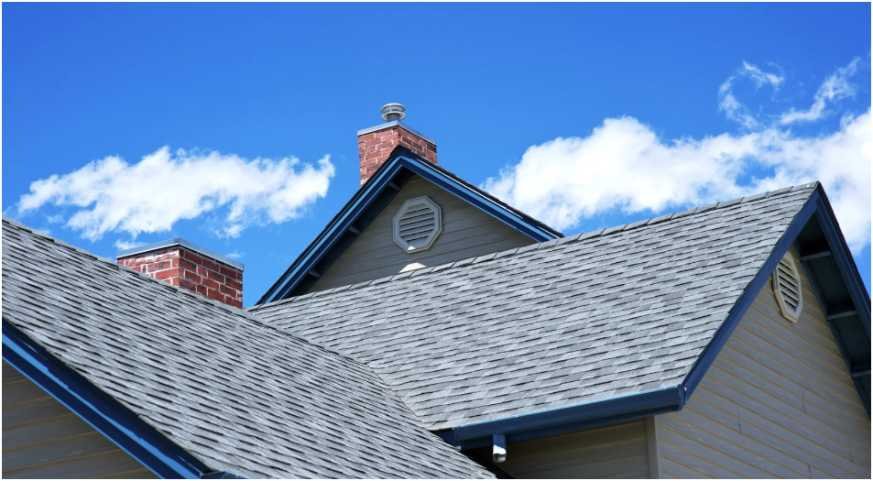
Homes in Minnesota face long winters, heavy snowfall, strong winds, and sharp temperature shifts across the year. A roof must suit these conditions while also matching the shape and character of the property. Roof pitch, structure, and material choice can affect drainage, indoor comfort, curb appeal, and long-term durability. A well-chosen style can help reduce repair needs and support better performance through every season.
A careful plan can make roof selection far easier for homeowners across the state. Professional Roof installation services in Minnesota can help property owners compare roof styles that suit local weather patterns and home designs. This article explains how to choose a roof style based on Minnesota’s climate, home architecture, maintenance needs, and long-term value.
Match the Roof Pitch to Minnesota’s Snowfall
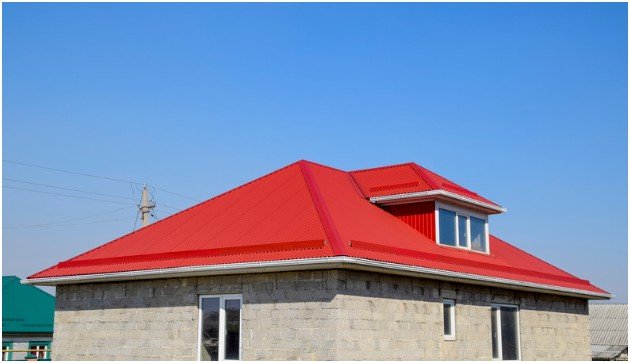
Roof pitch plays a major role in how well a home handles snow. Steeper roofs allow snow to slide off more easily, which can reduce excess weight on the structure. This makes gable, gambrel, and steep hip roofs strong options in areas that see heavy winter snow, such as Duluth, Brainerd, and northern lake regions.
Low-slope roofs can still work in Minnesota, especially on modern homes, but they need careful drainage plans. Snowmelt must move away from the roof surface without pooling near seams, edges, or drains. Proper insulation and ventilation also help reduce ice dam risks during freeze-thaw cycles.
Choose a Shape That Fits Wind Exposure
Roof shape should respond to the home’s location. Open lots, rural properties, and homes near farm fields often face stronger wind exposure than homes in sheltered neighborhoods. In those settings, a hip roof can be a smart choice because all four sides slope down, which helps improve wind resistance and professional installers ensure strong and safe buildings.
Gable roofs remain common across Minnesota, but their end walls can catch wind during severe storms. Proper bracing, quality fasteners, and strong edge details can help improve performance. A roof style should look good, but it should also feel right for the site.
Select a Style That Complements the Home
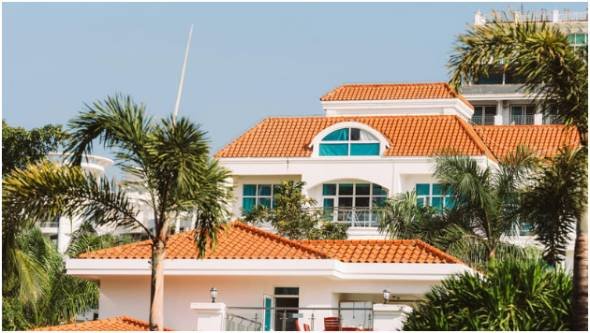
A roof should feel connected to the home’s architecture. The right style can make the entire property look more balanced and intentional.
Gable Roof for Classic Homes
A gable roof suits Cape Cod, colonial, ranch, and farmhouse-style homes. Its clean peak and simple shape work well in both city neighborhoods and rural communities.
Hip Roof for Balanced Designs
A hip roof pairs well with square or wide homes. It creates a stable, polished appearance and can support better wind performance.
Gambrel Roof for Rustic Character
A gambrel roof works well for barn-inspired homes, cabins, and properties near wooded or lake areas. It also adds attic space while keeping a distinctive profile.
Flat Roof for Modern Properties
A flat or low-slope roof suits contemporary homes in urban areas such as Minneapolis and St. Paul. Drainage, waterproof layers, and snow-load planning remain essential.
Consider Materials That Support the Style
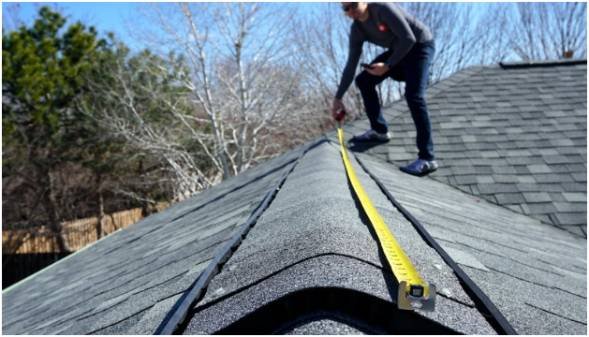
Roof style and material should work together. Asphalt shingles remain popular because they suit many roof shapes and offer dependable value. Metal roofing can work especially well on steep roofs because it sheds snow efficiently and lasts for decades when installed correctly.
Cedar shakes add natural warmth to cabins and traditional homes, especially near lakes or wooded areas. Slate and synthetic roofing can provide a refined look for historic or upscale properties. The best material should match the roof shape, home design, maintenance expectations, and budget.
The best roof style balances climate performance with architectural fit. Snow, wind, drainage, and temperature swings should all guide the decision. Home style matters too, since the roof can shape the entire look of the property. A practical choice can improve comfort, reduce future repair concerns, upgrade their hvac systems and add lasting curb appeal.
Roof installation services in Minnesota can make the final choice more informed and suited to local conditions. A roof that fits both the home and Minnesota’s climate can protect the property through tough winters and pleasant summers alike.