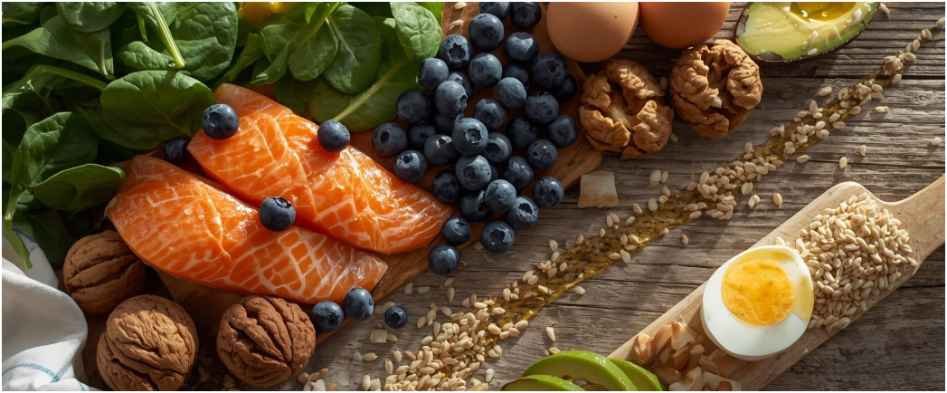

I hear the phrase Probiotics and prebiotics: What you should know tossed around everywhere — on yogurt labels, supplement bottles, wellness blogs, even TikTok. But most explanations feel either too clinical or overly salesy. I wanted something clearer. Something that fits into real life.
So here’s how I personally understand and use probiotics and prebiotics — not as miracle cures, but as everyday gut-support tools that work best when you treat them like habits, not hacks.
If you’ve ever wondered whether you actually need them, how they differ, or why your stomach reacts when you start, you’re in the right place.
What are probiotics and prebiotics, and why do they matter together?
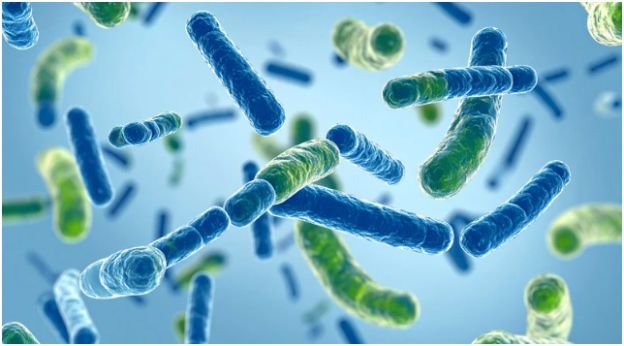
Probiotics are live, beneficial microorganisms — mostly bacteria, sometimes yeast — that help maintain balance in the gut. I think of them as reinforcements. When stress, antibiotics, or poor eating knock things off balance, probiotics help restore order.
Prebiotics work differently. They’re non-digestible plant fibers that feed the good bacteria already living in your gut. Your body doesn’t absorb them. Instead, your microbes ferment them in the colon, which helps them grow stronger and more diverse.
Here’s the part many people miss: adding probiotics without prebiotics is like planting seeds without watering them. You need both for long-term gut health.
How do probiotics support digestion and gut comfort?

Digestive support is where most people notice probiotics first. I’ve personally leaned on them after antibiotics and during travel, when my gut feels unpredictable.
Certain probiotic strains help reduce antibiotic-associated diarrhea and traveler’s diarrhea. Others support people dealing with IBS symptoms like bloating, gas, and irregular bowel movements. The key detail is strain specificity — not all probiotics do the same thing.
Prebiotics quietly support this process by improving fermentation in the colon. That fermentation produces short-chain fatty acids, which help regulate digestion and keep the gut lining healthy. When digestion feels smoother, energy and focus often follow.
Can probiotics and prebiotics really affect immunity and mood?
This surprised me when I first learned it, but it makes sense once you see the connection.
About 70 percent of the immune system lives in the gut. A balanced microbiome strengthens the intestinal barrier, making it harder for harmful pathogens to pass into the bloodstream. When gut health slips, immunity often follows.
There’s also growing research around the gut–brain axis. A healthy microbiome influences neurotransmitters like serotonin. That doesn’t replace therapy or medication, but it does explain why gut balance can support mood, stress response, and mental clarity.
I see gut care as part of my mental wellness routine, not a replacement for anything — just support.
Do prebiotics help with nutrient absorption?
Yes, and this benefit rarely gets attention.
Prebiotics improve the absorption of minerals like calcium and magnesium by increasing short-chain fatty acid production. These acids lower the pH in the colon, making minerals easier to absorb.
This matters more as we age or if your diet already struggles with mineral intake. Strong bones, muscle function, and nerve health all rely on proper absorption, not just what you eat.
What foods naturally contain probiotics and prebiotics?

I always start with food before supplements. It’s gentler, cheaper, and easier to sustain.
Probiotic-rich foods
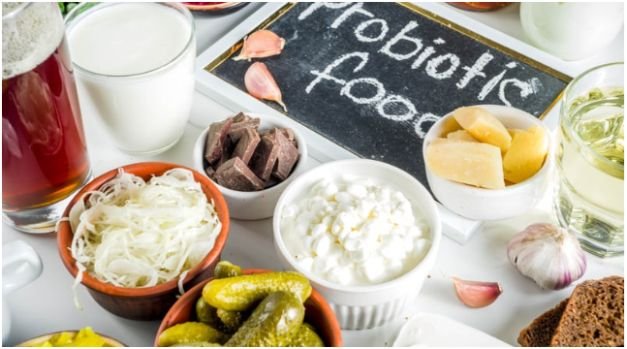
Probiotic-rich foods include yogurt with live cultures, kefir, sauerkraut, kimchi, miso, kombucha, and tempeh. These foods introduce beneficial bacteria directly.
Prebiotic-rich foods
Prebiotic-rich foods include garlic, onions, leeks, asparagus, green bananas, oats, apples, beans, and Jerusalem artichokes. These feed the bacteria you already have.
When meals include both, you’re naturally creating a synbiotic effect — no supplement required.
Are probiotic and prebiotic supplements safe in 2025?
For most healthy adults, yes — but context matters.
In the U.S., probiotic and prebiotic supplements are regulated as dietary supplements, not drugs. That means companies don’t need to prove effectiveness before selling them. I always check labels for strain names, dosage clarity, and transparency.
If you’re immunocompromised, critically ill, pregnant, or recovering from surgery, you should talk to a healthcare professional first. Even helpful bacteria can behave differently in vulnerable systems.
Also, starting too fast can cause gas and bloating. That’s not danger — it’s adjustment.
How I add probiotics and prebiotics to my daily routine (step by step)
How to start probiotics and prebiotics without upsetting your gut
Step 1: Begin with food
I add one fermented food per day and increase slowly. No stacking everything at once.
Step 2: Add fiber gradually
I introduce prebiotic foods over several days. Sudden fiber overload almost always causes bloating.
Step 3: Watch your body
I track digestion, energy, and stool consistency. Those signals matter more than marketing claims.
Step 4: Consider supplements only if needed
If food alone doesn’t help, I choose strain-specific probiotics with clear labeling.
Consistency beats intensity every time.
Frequently Asked Questions
1. Do I need probiotics if I already eat healthy?
If your diet includes fiber and fermented foods, you may not need supplements. Many people already support their microbiome naturally without realizing it.
2. Can prebiotics cause bloating or gas?
Yes, especially when introduced quickly. I’ve found that slow increases usually solve this within a week or two.
3. Are synbiotics better than probiotics alone?
They can be, but only when the prebiotic matches the probiotic strain. Otherwise, they’re just bundled ingredients.
4. How long does it take to notice results?
Most people feel digestive changes within two to four weeks when they stay consistent and eat supportive foods.
Your gut called — it wants consistency, not chaos
Here’s my honest takeaway: probiotics and prebiotics work best when you stop chasing quick fixes and start building routines. Feed your gut regularly. Add changes slowly. Pay attention to how you feel.
My best tip? Start with breakfast. A fiber-rich meal with fermented food sets the tone for the entire day — and your gut notices.