
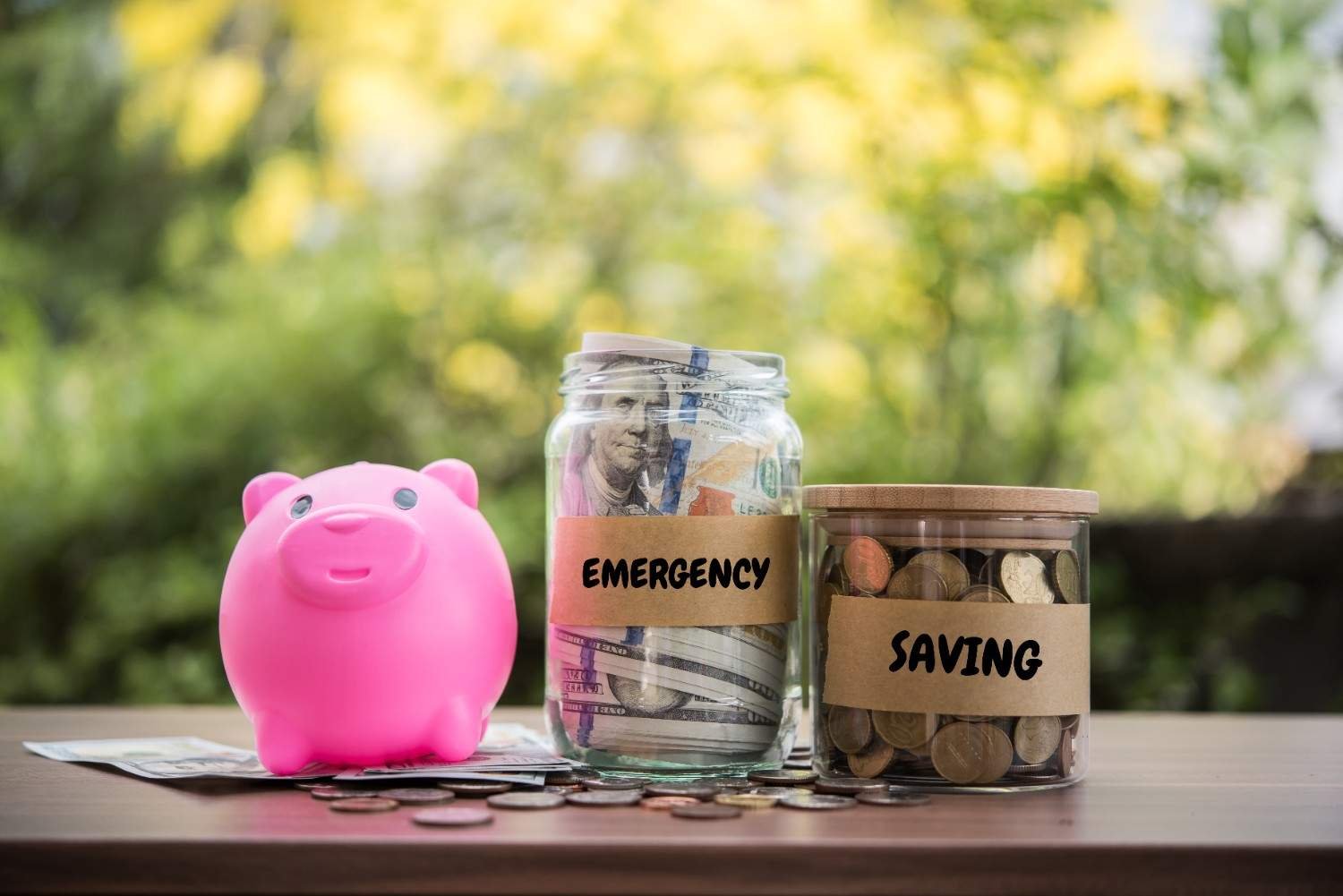
When I coach people on saving, I notice one pattern: most of us don’t hate saving… we hate how saving feels. Like punishment. Like life has to stop until the “responsible” thing is done.
So I build emergency funds the same way I build any habit that actually sticks: I make it automatic, measurable, and friction-free. An emergency fund is just a cash buffer for surprises—car repairs, medical bills, a sudden job gap—so you don’t fall into high-interest debt when life gets loud.
Let’s move fast, but smart.
What does “building an emergency fund fast” actually mean?
“Fast” doesn’t mean draining your checking account and living on vibes. It means you hit the first meaningful milestone quickly, then you scale.
I like a 3-stage target:
- Stage 1: $500–$1,000 starter fund (stops most small emergencies)
- Stage 2: 1 month of essential expenses (rent/mortgage, food, utilities, transport)
- Stage 3: 3–6 months of essential expenses (the classic baseline)
Most mainstream guides say 3–6 months for income loss or major shocks, and that’s a solid default. If your income is irregular, you support family, or your job feels unstable, you may want to aim higher.
How much emergency fund do you really need (and how do you calculate it)?
I don’t start with a big scary number. I start with one simple math move:
Emergency Fund Target = Essential Monthly Expenses × Months of Coverage
Essential expenses = needs that keep your life running (housing, basic groceries, utilities, minimum debt payments, required transportation, insurance).
Vanguard frames the idea as preparing for “spending shocks” (unexpected bills) and “income shocks” (lost income), and your number changes depending on which you’re protecting against.
A quick “fast but realistic” framework: the 3–6–9 rule
If you want something easy to remember:
- 3 months: stable job + dual income + low obligations
- 6 months: typical target for most people
- 9 months: single income, commission/freelance, or higher job risk
(You can build to 3 months fast, then keep going.)
Where should you keep an emergency fund so it’s safe and accessible?
If you want speed and sanity, keep it separate from daily spending and easy to access. A dedicated savings account helps you avoid “accidental spending,” and it keeps your emergency money liquid.
My usual recommendation:
- A high-yield savings account (HYSA) or money market account for the main fund (accessible + earns interest).
- If you like structure, create sub-buckets (or separate accounts) for “true emergencies” vs. “planned surprises.”
What’s the fastest way to build an emergency fund starting today?

Here’s the exact order I use when I want results quickly:
1) Pick a starter goal you can hit in 30 days
I love $500 as a first win because it’s achievable and instantly useful. Momentum matters more than perfection.
2) Automate the saving before you rely on willpower
Automation is one of the most consistent strategies across major financial guidance because it removes decision fatigue. Set an automatic transfer for the day after payday (or the same day).
If you don’t know what number to choose, start with $25–$50 per paycheck, then increase it every two weeks.
3) Run a “temporary tight” budget for 2–4 weeks
This is where competitors get lazy and say “cut spending.” I do it differently: I cut specific categories with high impact and low pain.
For 14–30 days, I go after:
- food delivery / dining out
- subscriptions I barely use
- impulse shopping (especially late-night scrolling)
You don’t need a joyless life—you need a short sprint.
4) Add a “found money” rule
Any unexpected money goes straight to the fund for the sprint window:
- cashback
- refunds
- reimbursements
- side income
- gifts
This one rule alone speeds things up dramatically.
How do you save faster if your income feels tight?
If your budget already feels maxed, you still have options—just different ones.
Focus on “big levers,” not tiny cuts
Instead of obsessing over coffee, I look at:
- housing (roommate, negotiate renewal, short-term rent strategy)
- car costs (insurance shopping, refinancing, reduce unnecessary driving)
- debt interest (especially credit cards)
Use a 2-lane strategy: cut + earn (briefly)
Even a short-term income boost can fund your starter emergency savings.
Examples that work well in real life:
- weekend gig work for 4–6 weeks
- selling unused items (one-time “cash injection”)
- overtime or a short freelance project
Your goal isn’t a permanent hustle life. Your goal is to buy safety quickly.
How do I stay motivated without quitting halfway?
I use a simple progress table (because motivation loves visible proof):
| Milestone | What it protects you from | What to do next |
| $500 | Small emergencies | Automate + small cuts |
| $1,000 | Most common surprise bills | Add “found money” rule |
| 1 month expenses | A rough month | Expand cuts + raise auto-transfer |
| 3 months expenses | Real stability | Keep it boring + consistent |
| 6 months expenses | Strong buffer | Maintain + build sinking funds |
Also, I keep three “emergency decision” questions on my phone (these stop guilt-spending and panic-spending):
- Is this a true emergency or an impulse purchase?
- Are there alternative solutions available?
- How will this impact my future financial security?
How do I avoid the most common emergency fund mistakes?
I see these mistakes constantly:
Mixing the fund with everyday spending
If it’s in your checking account, it will disappear “somehow.” Separate it.
Investing emergency money in volatile assets
Emergency funds need stability and access. Keep risk for long-term investing, not for “my car broke down on Monday.”
Treating predictable expenses like emergencies
Car maintenance, annual insurance, holidays—those aren’t emergencies. Those are sinking funds. Creating sinking funds protects your emergency fund so it stays available for real shocks.
Frequently Asked Questions
1. How can I build an emergency fund fast if I have debt?
I build a starter emergency fund first (usually $500–$1,000), because it prevents new debt when surprises hit. Then I attack high-interest debt aggressively while I keep a smaller automatic transfer running. That balance helps you move forward without backsliding every time life throws a bill at you.
2. Should I save 3 months or 6 months for an emergency fund?
Most guidance lands on 3–6 months of essential expenses, and I treat that as the baseline. If your income fluctuates (freelance/commission) or your job feels uncertain, I lean closer to 6 months or more. If you have dual income and stable work, 3 months can still be a strong safety net.
3. Where is the best place to keep an emergency fund?
I keep it somewhere safe, separate, and easy to access—often a dedicated savings account or high-yield savings account. Keeping it separate helps reduce temptation and keeps the money available when you actually need it.
4. What counts as a real emergency?
A real emergency is unexpected, urgent, and necessary—like medical bills, essential home/car repairs, or a loss of income. Consumer-focused guidance commonly lists things like car repairs, medical costs, home repairs, and income loss as typical emergency-fund use cases. If it’s optional, predictable, or “I just want it,” I route it to a sinking fund or my regular spending plan.
The move that makes this “fast” is simple: make it automatic and boring
If you want to build an emergency fund fast, don’t search for a perfect strategy. Pick a starter goal, automate a transfer, run a short 2–4 week sprint, and grab every bit of “found money” like it’s part of your job.
The win isn’t just the dollars. The win is the moment an unexpected bill shows up… and you don’t panic. You pay it, move on, and keep your life stable.