
I used to think lenders mainly cared about whether someone had a good credit score when deciding if they could get another loan. The more I looked at how borrowing actually works, the clearer it became that a strong score is only one piece of the picture. Existing monthly payments can quietly reduce how much room a borrower has for another payment, even when their credit history looks solid.
I also found that the total amount someone owes does not always tell the whole story. Two people can have similar balances but very different borrowing power because their incomes, monthly payments, credit utilization, and repayment histories are different. That is why understanding how existing debt affects loan eligibility can be more useful than simply asking whether having debt is “bad.”
Why Existing Debt Matters When You Apply
Having existing debt does not automatically mean a lender will reject your application. Most borrowers have some form of debt, and lenders generally look at whether you can reasonably handle another payment alongside your current obligations.
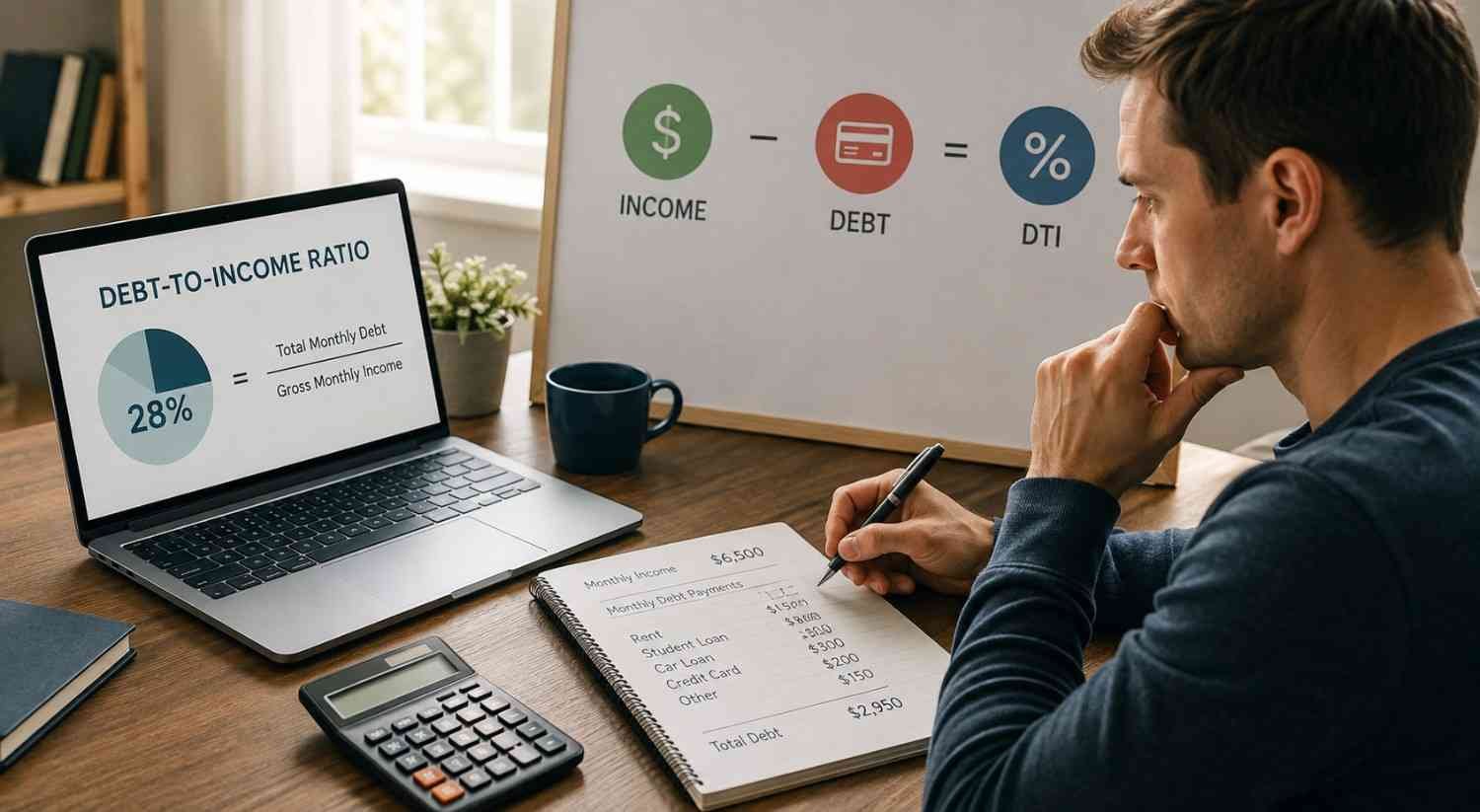
One of the main measurements is your debt-to-income ratio, or DTI. It compares your recurring monthly debt payments with your gross monthly income. For example, if your qualifying monthly debt payments total $1,800 and your gross monthly income is $6,000, your DTI is 30%. Lenders can use this ratio to assess how much additional payment capacity you may have, although acceptable limits vary by lender and loan type.
That matters because a new loan adds another monthly obligation. Even if you qualify based on your credit profile, a high level of existing payments can limit the amount a lender is comfortable offering.
How Existing Debt Changes Your Borrowing Power

Think of your income as having a limited amount of room for debt payments. The more of that room your current obligations consume, the less remains for a new loan.
Consider someone earning $6,000 a month before taxes. If existing qualifying debt payments total $2,100, that person already has 35% of gross income committed to debt. Adding a new payment of $500 would push the ratio to about 43%.
The example does not mean a lender will automatically approve or deny the application at that point. Different lenders calculate and interpret debt differently. The important point is that the new payment has to fit alongside the payments already on the borrower’s financial profile.
This is why a borrower may qualify for a smaller loan than expected even when their income seems high enough at first glance.
Which Debts Can Affect Loan Eligibility?
Lenders may consider recurring obligations such as credit card payments, auto loans, student loans, mortgages, and existing personal loans. The way each obligation is treated can depend on the specific underwriting rules for the loan.
Credit cards deserve extra attention because they can affect both your monthly obligations and your credit profile. High balances relative to your available limits can increase credit utilization, which can hurt a credit score even when payments are being made on time. FICO explains that amounts owed and revolving utilization are important parts of its scoring model.
Installment loans work differently. An auto loan or existing personal loan usually has a scheduled monthly payment, and that payment can reduce the amount of income available for another loan.
The balance itself still matters, but lenders are often interested in the payment obligation and the overall credit picture rather than looking at one number in isolation.
Your Credit Score Still Matters

Debt and DTI are only part of the eligibility equation. Your credit history can influence how a lender views the risk of extending more credit.
Late payments, defaults, collections, and consistently high credit card balances can create concerns that go beyond the size of your current monthly payments. Credit utilization is particularly relevant for revolving accounts because it measures how much of your available credit you are using.
A borrower with manageable monthly debt and a history of paying on time may present a different risk profile from someone with the same income and debt payments but repeated late payments.
That distinction matters because existing debt can affect more than approval. It may also influence the interest rate, loan amount, or other terms you receive.
What You Can Do Before Applying
You do not necessarily need to eliminate every existing debt before applying for another loan. Instead, look for ways to strengthen the parts of your financial profile that you can reasonably control.
Start by calculating your own DTI. Add the monthly payments that would generally count toward your debt obligations and divide that total by your gross monthly income. Then estimate how the proposed loan payment would change the ratio.
Next, review your credit card balances. Paying down revolving debt can reduce utilization, which may help your credit profile when the lower balance is reported. FICO notes that utilization is based on reported revolving balances relative to available credit, so timing can matter when preparing for an application.
Avoid taking on unnecessary new credit immediately before applying as well. A new account can change your credit profile and add another obligation at a time when you are trying to demonstrate financial stability.
Could Debt Consolidation Improve Your Position?
Debt consolidation can sometimes simplify repayment by replacing multiple debts with one new loan. That can make budgeting easier, but consolidation does not automatically improve loan eligibility.
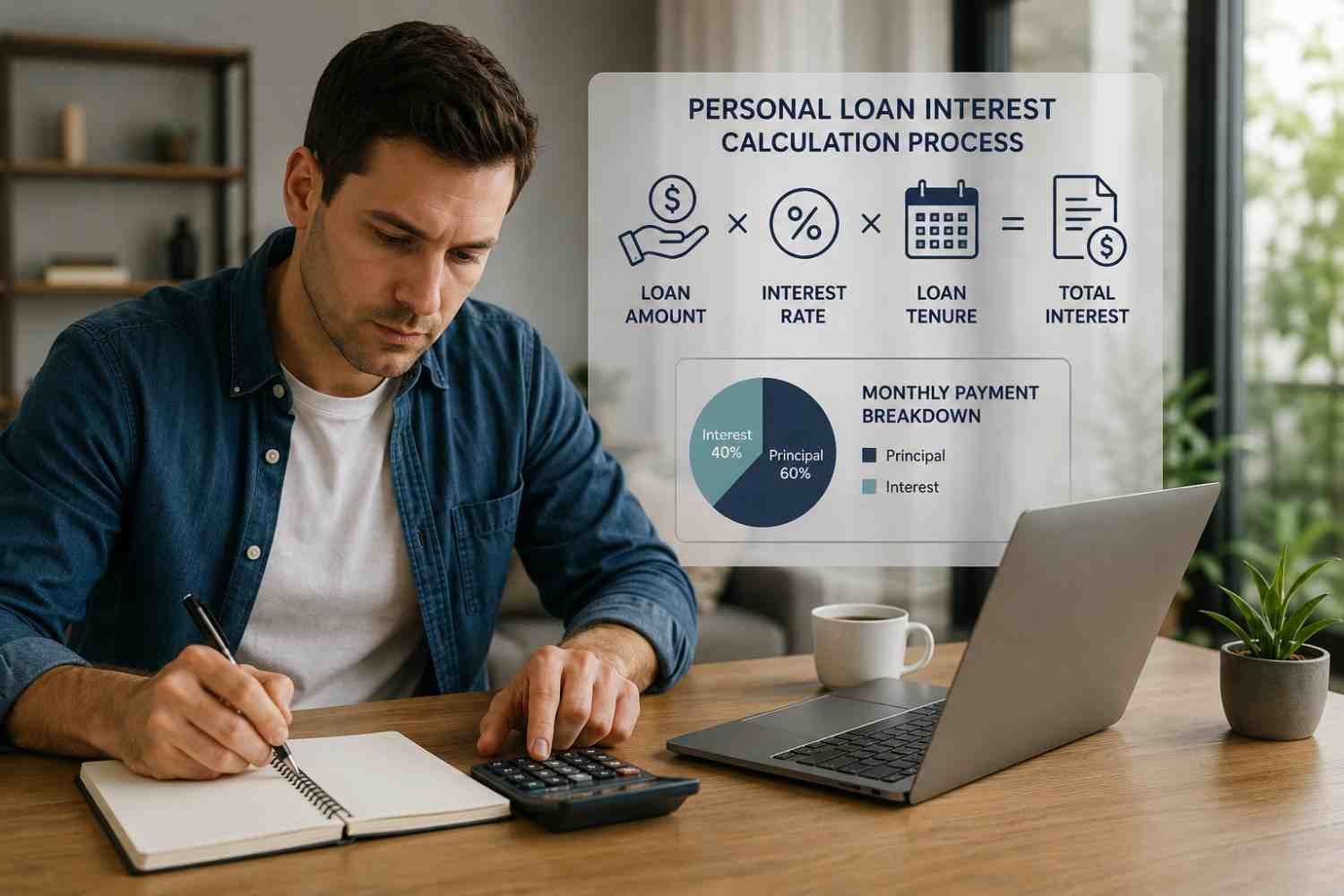
The new loan still creates a payment, and the overall result depends on what happens to the old accounts, the new payment amount, interest rate, fees, and repayment period. A lower monthly payment could provide more room in your budget, but extending repayment for much longer can increase the total interest you pay.
Before using consolidation as a strategy, compare the complete cost rather than focusing only on the new monthly payment. Understanding the debt consolidation loan pros and cons can help you decide whether the change actually improves your financial position or simply moves the same debt into a different account.
Compare the New Loan With Your Existing Payments

A new loan should make sense alongside the obligations you already have. This is where borrowers sometimes focus too heavily on the amount they can qualify for instead of the payment they can comfortably manage.
Look at the proposed APR, monthly payment, repayment period, origination fees, and total amount you will repay. A loan with a lower monthly payment is not necessarily cheaper if the term is much longer.
The rate structure matters, too. A fixed-rate loan generally keeps the interest rate unchanged under the agreed terms, while a variable-rate structure can change according to its terms. Understanding fixed-rate vs variable-rate personal loans can help you judge whether the payment risk fits your current debt load and budget.
The goal is not simply to get approved. It is to add new borrowing without putting your existing financial commitments under unnecessary pressure.
Know What Makes an Online Loan Offer Worth Considering
Online lenders can make comparing loans faster, but approval alone should not determine which offer you choose. Two lenders may offer the same loan amount while producing very different total costs.
Look beyond the advertised rate. Check the APR, fees, repayment term, monthly payment, and total repayment amount. Also review whether the lender offers a fixed rate, what happens if you pay early, and whether there are other charges attached to the loan.
This becomes even more important when you already have substantial monthly obligations. Knowing what makes an online loan offer competitive can help you compare the actual cost and flexibility of an offer instead of judging it by the approval amount alone.
Build Your Application Around What You Can Afford

Existing debt can reduce borrowing power, but it does not tell the entire story. Income, credit history, utilization, payment behavior, loan amount, and the proposed new payment all matter.
Before applying, calculate your DTI, review your credit report, understand your current monthly obligations, and decide what payment fits comfortably within your budget. A smaller loan that leaves breathing room can be more useful than a larger approval that stretches your finances.
FAQs: How Existing Debt Affects Loan Eligibility and Borrowing Power
1. Does existing debt automatically hurt loan eligibility?
No. Existing debt is common. Lenders generally look at the size of your obligations relative to income, your credit history, and whether the new payment appears manageable.
2. What DTI is considered too high?
There is no single DTI limit for every lender or loan. Requirements vary by product and underwriting standards. A lower DTI generally leaves more room for another monthly obligation.
3. Can paying down credit cards help before applying?
It can. Lower revolving balances can reduce credit utilization and may improve your credit profile after the lower balances are reported.
4. Does existing debt affect the interest rate?
It can. Lenders consider multiple risk factors when setting loan terms, so a heavier debt burden or weaker credit profile may affect the rate or amount offered.
Borrowing Power Is Really About Financial Room
Existing debt is not necessarily a barrier to getting another loan. The bigger question is how much room remains after your current obligations are accounted for. A high income can help, but so can manageable monthly payments, responsible credit use, and a history of money what you owe on time.
The smartest borrowing decision is not always the largest loan a lender will approve. It is the amount that gives you access to the money you need while leaving enough room in your budget to handle everything else.