Working in remote locations presents communication challenges and risks for teams far from basic infrastructure. As industries expand into remote areas, the need for reliable off-grid communication grows. Standard smartphones are ineffective without cell tower coverage, necessitating specialized tools for isolated environments.
Challenges of Off-Grid Connectivity
Most commercial communication relies on a dense network of cellular towers and fiber-optic cables. When you travel beyond city limits and major highways, this infrastructure disappears. Cellular networks operate on line-of-sight principles, meaning mountains, dense forests, and deep valleys easily block signals.
Traditional radio networks offer a slight improvement but still suffer from severe limitations. VHF and UHF radios require repeater stations to cover long distances. Without these repeaters, a standard handheld radio might only reach a few miles. Weather conditions, solar flares, and atmospheric changes can also disrupt radio frequencies, leaving remote workers completely isolated.
Key Solutions for Remote Teams
To overcome these barriers, organizations must invest in specialized hardware. Here are the most reliable options for maintaining contact in the wilderness.
Satellite Messengers
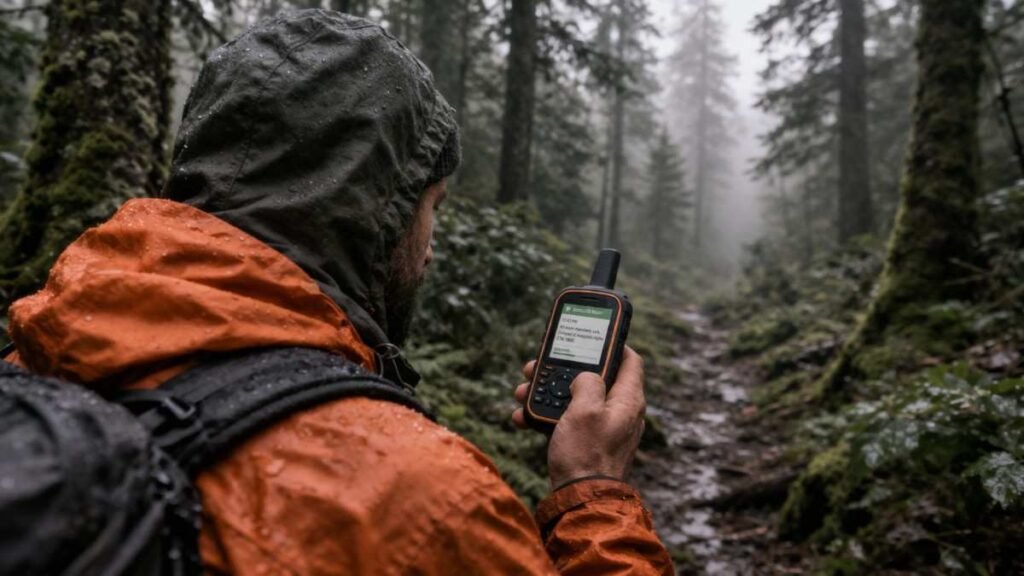
Satellite messengers are compact, lightweight devices that allow users to send short text messages and GPS coordinates via satellite networks. They do not rely on local cell towers. Instead, they beam data directly to satellites orbiting the earth. These devices are perfect for individuals who need to check in periodically or trigger an SOS alert in an emergency. They are highly portable and often feature rugged, waterproof designs.
High-Frequency Radios
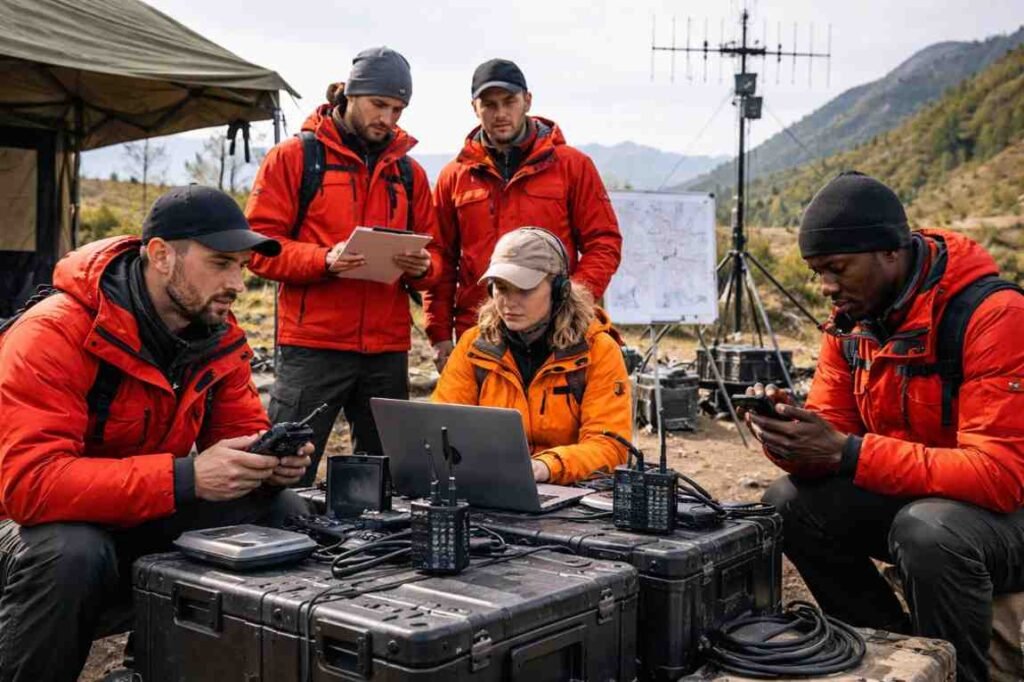
High-frequency (HF) radios are a staple in remote communications. Unlike standard VHF radios, HF radio waves bounce off the ionosphere. This skip-effect allows signals to travel thousands of miles without the need for physical repeater stations. HF radios require larger antennas and a significant power source, making them better suited for base camps or vehicle installations rather than individual field workers.
Mobile Satellite Terminals
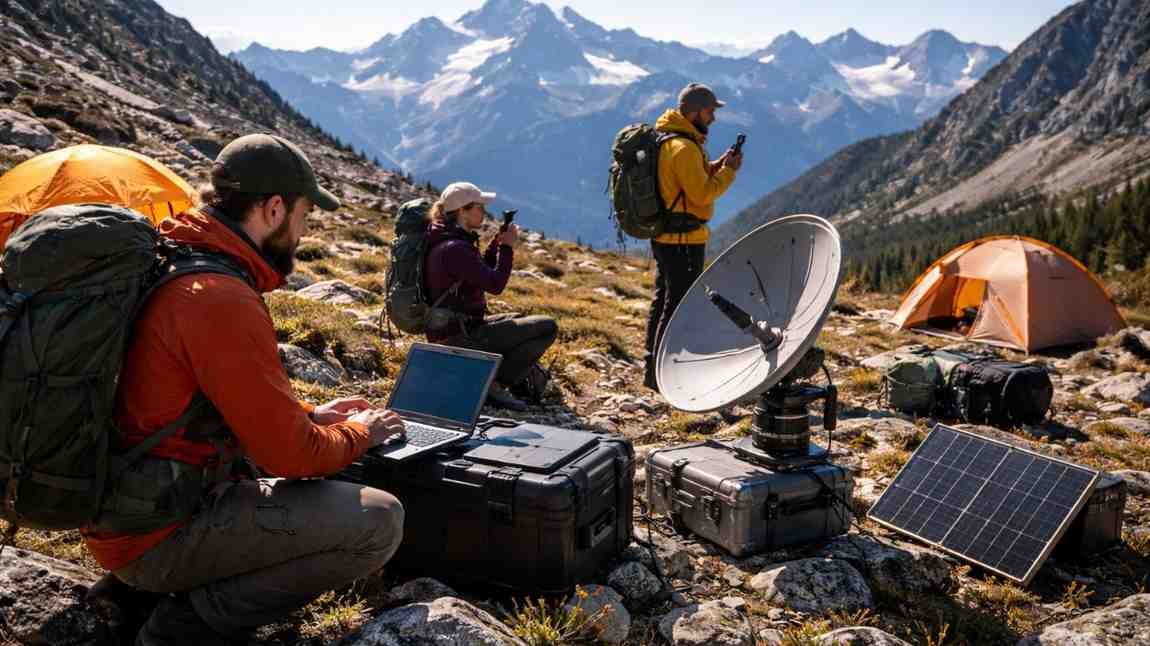
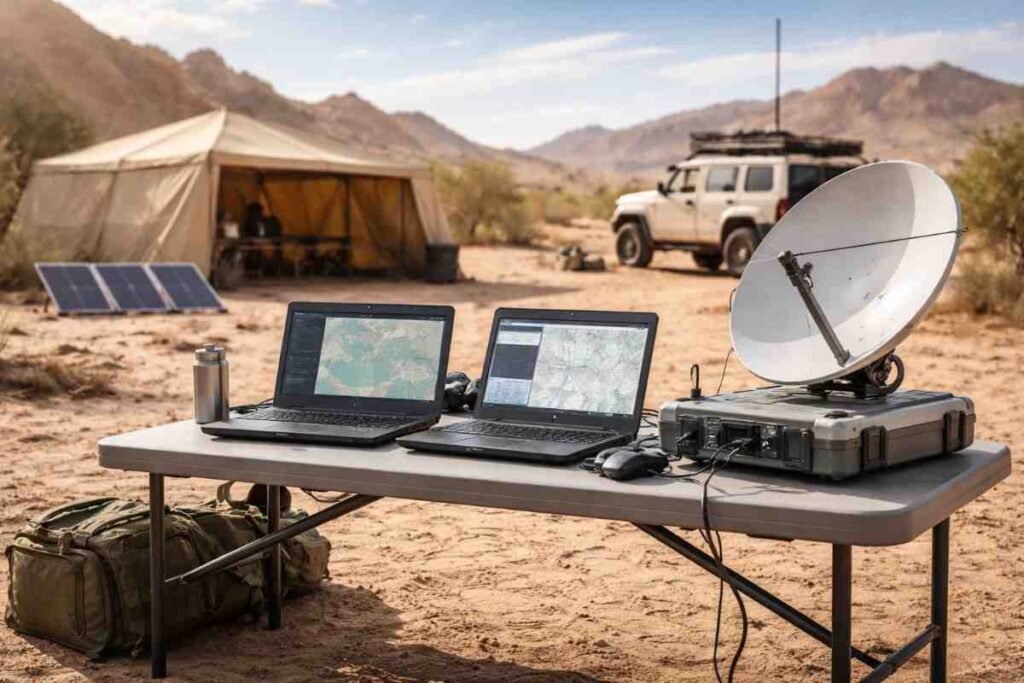
For teams that need more than just text messaging, mobile satellite terminals provide robust internet connectivity. These units can establish a dedicated Satellite hotspot for a base camp, allowing multiple users to connect laptops and smartphones to a Wi-Fi network. This enables voice-over-IP calls, email access, and the transfer of important data files and personal data online like weather maps and geological surveys.
Essential Features to Look For
Selecting the right device requires careful consideration of the specific environment. Keep these core features in mind when evaluating communication gear.
Durability and Weather Resistance
Off-grid equipment takes a beating. Devices must withstand extreme temperatures, heavy rain, dust, and physical drops. Look for gear with high IP (Ingress Protection) ratings. An IP67 or IP68 rating ensures the device is fully protected against dust and can survive submersion in water.
Extended Battery Life
Power outlets are rare in the wilderness. Communication tools must feature long-lasting batteries. Satellite messengers can often operate for weeks on a single charge if used sparingly. For larger setups, consider compatibility with portable solar panels or 12-volt vehicle batteries to keep the system running indefinitely.
Global Coverage
Not all satellite networks are created equal. Some networks offer true global coverage, reaching even the extreme polar regions. Others only cover specific continents or equatorial zones. Verify that your chosen device operates on a network that actually covers your intended destination.
Emergency SOS Capabilities
Safety is the primary reason for off-grid communication. Ensure your devices feature a dedicated, easy-to-access SOS button. This function should immediately route your GPS coordinates and a distress signal to a 24/7 global emergency response coordination center.
Sector Applications
Different industries utilize remote communication tools in unique ways.
Mining and Exploration
Geological survey teams often spend weeks in uncharted territories. They rely on mobile satellite terminals to send heavy data files back to corporate headquarters for analysis. HF radios also keep scattered exploration vehicles in contact with the main mining camp.
Forestry and Conservation
Forestry workers and park rangers patrol vast, heavily wooded areas where cellular signals cannot penetrate. Small satellite messengers are standard issue for these professionals. The GPS tracking features allow dispatchers to monitor the exact locations of their teams to ensure their safety during wildfire season.
Adventure Tourism
Guides leading expeditions up remote mountains or down isolated rivers carry satellite communication gear to manage logistics. They use these tools to coordinate resupply drops, check incoming weather fronts, and organize medical evacuations if a client suffers an injury.
Best Practices for Deployment
Owning the right equipment is only half the battle. You must also implement strict protocols to ensure the technology works when you need it most. Equip teams with online privacy tools before deployment.
Preparing the Equipment
Always test your communication gear before leaving civilization. Activate all necessary subscriptions and confirm that your service plan covers your destination. Update the firmware on all devices and pack spare batteries or charging cables. Create a laminated cheat sheet with important contacts and emergency numbers to keep alongside the device.
Training Your Personnel
Do not assume your team knows how to operate satellite gear. Conduct mandatory training sessions before deployment. Teach everyone how to align a satellite antenna, how to send a check-in message, and exactly when it is appropriate to trigger an SOS alert. Establish clear communication schedules so the home base knows exactly when to expect an update from the field.
Conclusion
Now that you have a better understanding of satellite communication, it is important to always be prepared for any situation. By following the steps outlined above, you can ensure that your team has a reliable means of communication in remote or emergency situations.