
In the simplest terms, a credit score is a three‑digit number that tells lenders how likely you are to repay money you borrow. Think of it as your financial reputation — a scorecard that can open doors to life’s biggest purchases or quietly push them out of reach.
Your credit score is more than just a number. It’s a predictive tool used by lenders — banks, credit card issuers, and even some landlords and employers — to calculate the risk of giving you credit. The better your score, the more financial opportunities you unlock.
Why Credit Scores Are Mission‑Critical for Loans and Credit Cards
Whether you’re planning to buy a car, a home, start a business, or simply want a rewards credit card, your credit score determines:
1. Loan Approval Odds
Lenders review your credit score first — often before they consider your income or employment history. A higher score signals lower risk, which increases your chances of getting approved for personal loans, auto loans, mortgages, and credit cards.
2. Interest Rates You Pay
This is where credit scores make the biggest financial impact.
Borrowers with good scores generally qualify for lower interest rates, which can save tens of thousands of dollars over the life of a loan. Conversely, a lower score often means higher interest — and a higher total cost of credit over time.
3. Credit Limits and Perks
Strong scores don’t just help you borrow — they help you borrow more.
Credit card issuers are more likely to offer higher credit limits, better rewards, and lower fees to applicants with excellent credit histories.
4. Faster Processing and Better Terms
With a solid score, lenders can fast‑track approvals. In competitive markets — like real estate — that speed can make the difference between winning and losing your dream home.
How Credit Scores Are Calculated

Credit scores are calculated based on information in your credit report — a detailed record of your borrowing history. The two most common scoring models in the U.S. are FICO® Scores and VantageScore®.
Here are the key factors that influence your score:
| Factor | What It Means | Typical Weight |
| Payment History | Have you paid bills on time? | 35% |
| Credit Utilization | How much available credit are you using? | 30% |
| Length of Credit History | How long you’ve had credit | 15% |
| Credit Mix | Variety of credit types you have | 10% |
| New Credit | Recent applications and inquiries | 10% |
Higher payment history and low utilization (ideally under 30% of your credit limits) are especially positive signals to lenders.
Practical Examples: How Credit Score Impacts Real Borrowers
Imagine two friends applying for the same loan:
- Alex has a credit score of 780.
- Jamie has a credit score of 650.
Even with similar incomes, Alex is more likely to be approved quickly, offered lower interest rates, and receive a higher credit limit or loan amount. Jamie, on the other hand, might pay significantly more interest and face tougher underwriting scrutiny.
This simple difference can cost thousands of dollars over time — or even determine whether you qualify at all.
What Is Considered a Good Credit Score?
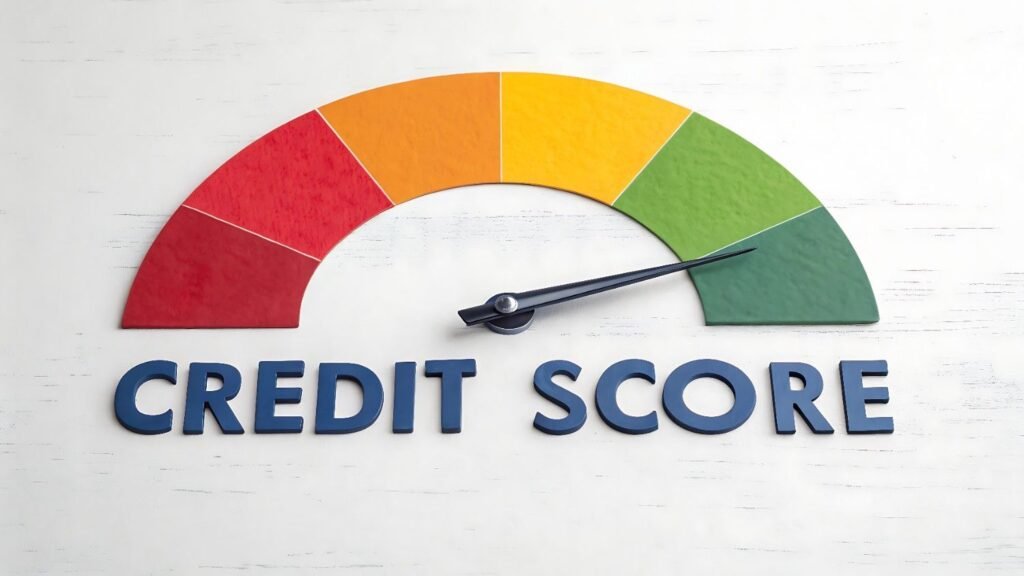
In the U.S., credit scores typically range from 300 to 850. Here’s a breakdown:
- 300–579: Poor
- 580–669: Fair
- 670–739: Good
- 740–799: Very Good
- 800–850: Excellent
While the exact definition of “good” can vary by lender and loan type, aiming for a score above 670 puts you in a much stronger position for credit cards and loans.
The Ripple Effect: Beyond Loans and Cards
Your credit score doesn’t just influence loans and credit cards. It can affect other areas like:
- Auto Insurance Rates: Many insurers use credit‑based insurance scores.
- Rental Applications: Landlords often check credit before renting.
- Job Offers: Some employers review credit history for roles involving financial responsibility.
How to Build and Maintain a Strong Credit Score

Improving your credit score doesn’t happen overnight, but these strategies can accelerate progress:
✔ Pay All Bills On Time
Payment history is the biggest factor in your score. Even one late payment can hurt.
✔ Keep Credit Utilization Low
Use less than 30% of your available credit — even better if you can keep it under 10%.
✔ Avoid Unnecessary Hard Inquiries
Each new credit application can cause a small dip in your score.
✔ Maintain Accounts Long‑Term
Older accounts help boost your length of credit history.
✔ Review Your Credit Report Regularly
Errors on your report can drag your score down — and you’re entitled to check your report for free once a year from each bureau.
Frequently Asked Questions
1. Does checking my own credit score hurt my score?
No. Checking your own score is a soft inquiry and doesn’t affect your credit.
2. What credit score do I need for approval?
It varies by lender and product, but generally a score above 670 improves your odds for loans and cards.
3. How often should I check my credit report?
At least once a year, and definitely before major loan applications.
4. Can I raise my credit score quickly?
Not drastically, but paying down balances and correcting errors can boost your score in a few months.
Final Word: Your Credit Score Is Your Financial Passport
Your credit score isn’t just a number — it’s the key that unlocks financial opportunities with lower costs, better prices, and bigger choices. Whether you’re applying for a loan, seeking the best credit card, or planning long‑term financial goals, understanding and managing your credit score puts the power in your hands.
Invest in your credit today, and it will pay dividends throughout your financial life.