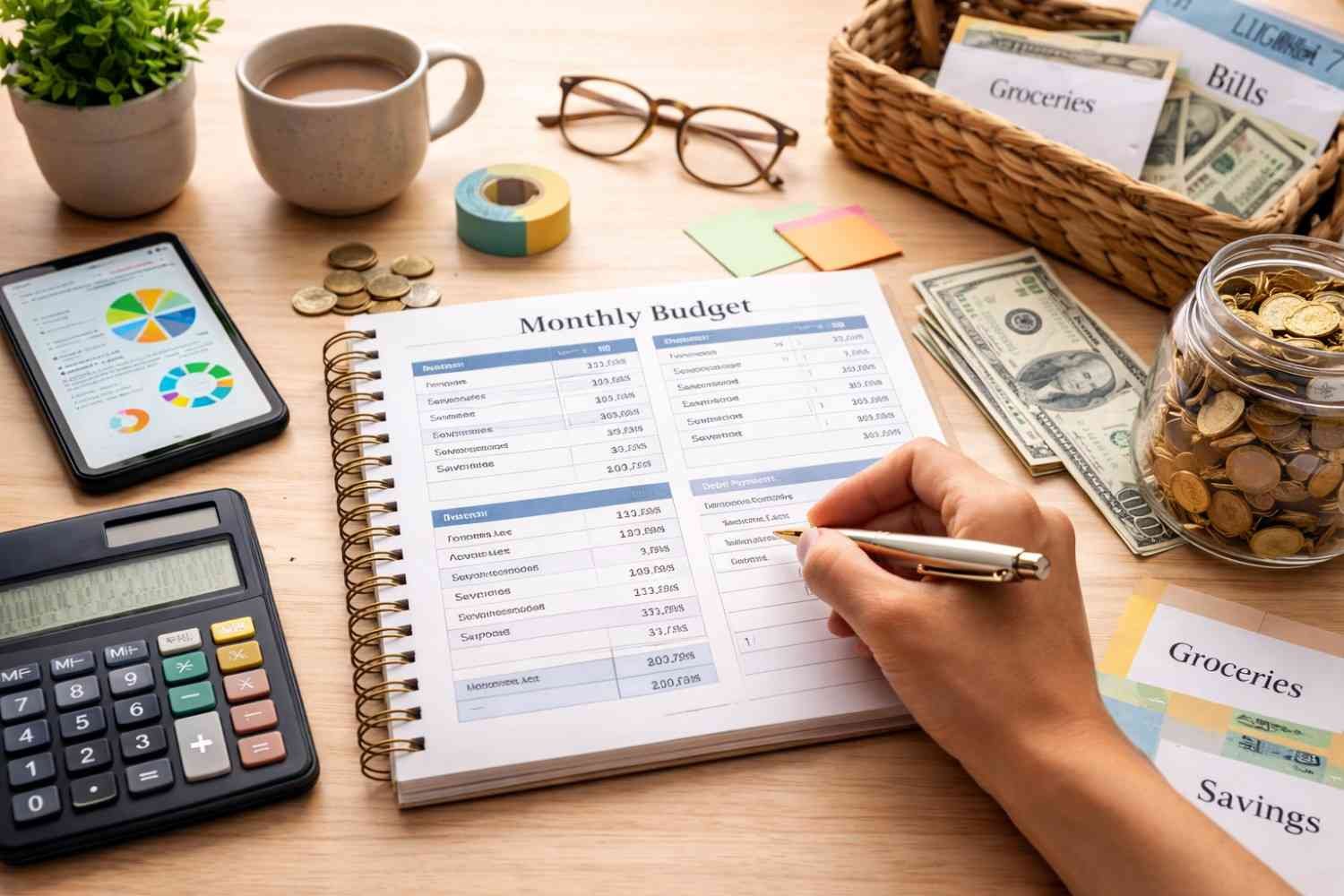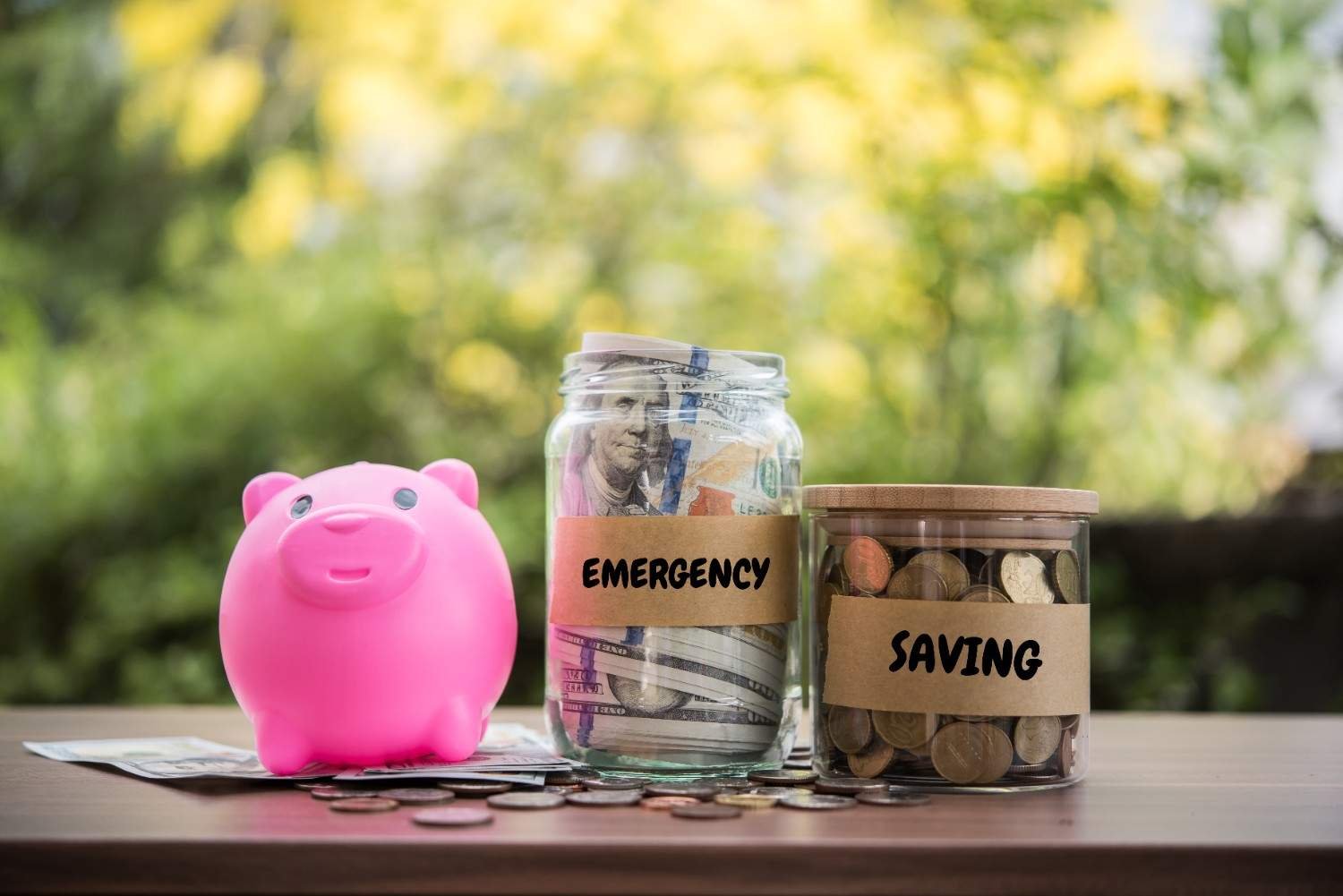

Money habits that improve quality of life aren’t about extreme frugality or chasing wealth for its own sake. They’re about creating clarity, reducing daily stress, and giving yourself the freedom to make choices that support both your present and future well-being. When your money is organized and intentional, life feels lighter, more predictable, and far less overwhelming.
The most effective personal finance advice across top-performing blogs focuses on behavior, not shortcuts. Simple habits like budgeting, automating savings, avoiding excessive debt, and spending intentionally show up again and again for a reason—they work.
Why do money habits have such a strong impact on quality of life?
Financial uncertainty is one of the most common sources of chronic stress. When you don’t know where your money is going or how you’ll handle unexpected expenses, even small financial decisions can feel heavy.
Healthy money habits create predictability. They help you cover today’s needs, prepare for tomorrow, and still enjoy life along the way. Over time, this sense of control improves mental well-being, decision-making, and overall life satisfaction.
Money habits that improve quality of life and financial well-being
Building financial stability doesn’t require dozens of tactics. It comes down to mastering a few core habits and practicing them consistently.
Set clear financial goals before you budget
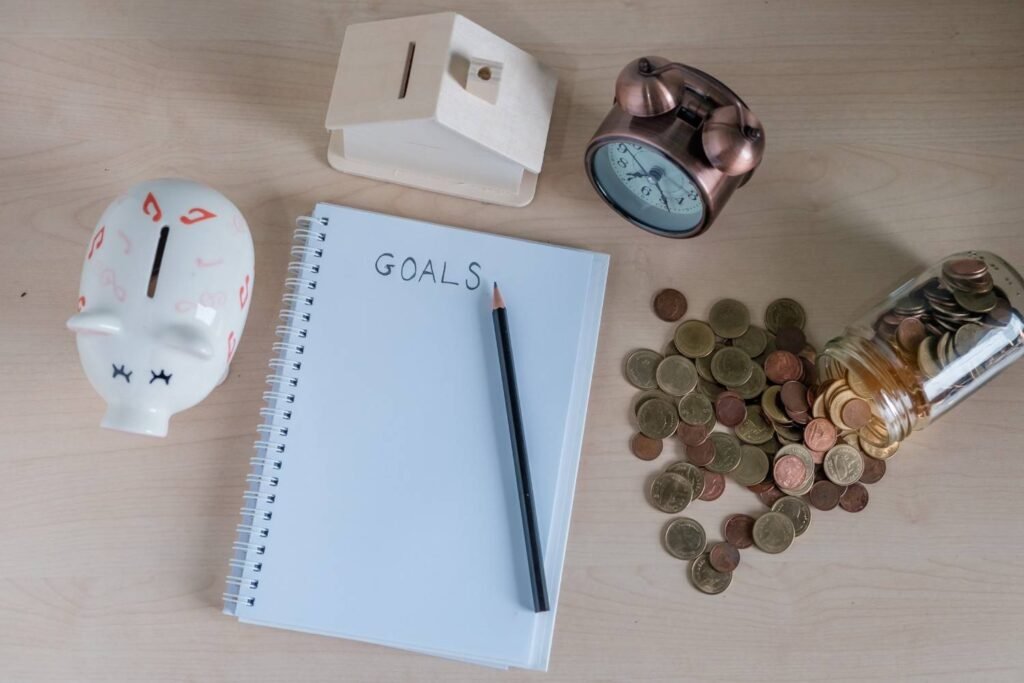
Goals give your money direction. Without them, budgeting feels restrictive instead of purposeful.
Start simple:
- Short-term goals (next 6–12 months): emergency savings, paying off a credit card
- Medium-term goals (1–5 years): travel, a car, home down payment
- Long-term goals (retirement, financial independence)
Clear goals make it easier to decide what’s worth spending on and what isn’t.
Create and follow a realistic budget
A budget is simply a plan for your money, not a punishment. It shows where your income goes and helps you stay within your means.
One widely used framework is the 50/30/20 rule:
- 50% for needs
- 30% for wants
- 20% for savings and investing
You don’t need to follow this rule perfectly, but it provides a helpful starting point. Reviewing your budget weekly—rather than monthly—keeps small issues from turning into stressful surprises.
Track spending to stay aware and flexible
Tracking your spending regularly helps you spot patterns, subscription creep, and impulse purchases that quietly drain your finances.
Awareness is the habit that makes all others work. When you know where your money goes, adjusting becomes easier and less emotional.
Automate savings and investments
Automation removes willpower from the equation. By setting up automatic transfers the moment you get paid, you follow the “pay yourself first” approach without thinking about it.
Automate:
- Emergency savings
- Retirement contributions
- Investment accounts
Even small, automated contributions add up over time and reduce the risk of skipping savings during busy or stressful months.
Build an emergency fund for peace of mind
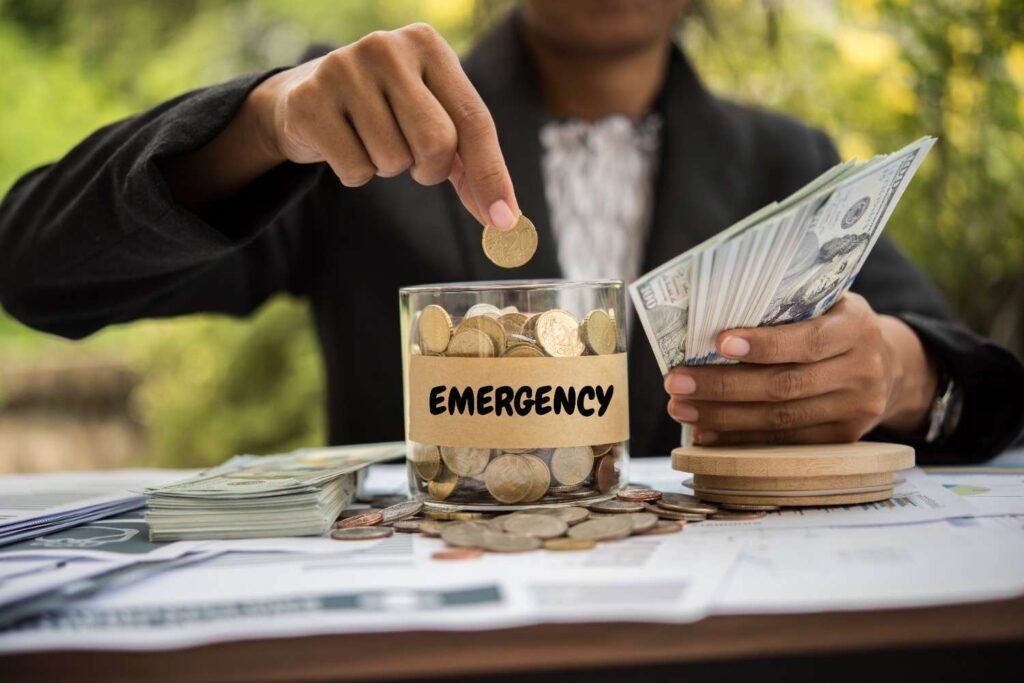
An emergency fund protects your quality of life when life happens. Medical bills, car repairs, or job interruptions are far less stressful when you’re prepared.
A common guideline is three to six months of essential expenses, but starting small still matters. Even a modest buffer can prevent high-interest debt during emergencies.
Manage and reduce high-interest debt
High-interest debt quietly limits your future choices. Credit card balances, in particular, act like a constant financial leak.
A practical approach:
- Pay minimums on all debts
- Focus extra payments on the highest interest rate first
- Automate payments to avoid missed due dates
As debt decreases, cash flow improves—and so does mental clarity.
Invest for the long term and let compounding work
You don’t need large sums to start investing. What matters is starting early and staying consistent.
Long-term investing benefits from compounding, where returns generate their own returns over time. Diversifying across asset types like stocks, bonds, and mutual funds helps manage risk while building wealth steadily.
Spending money in ways that improve happiness and wellness
Saving matters, but how you spend also shapes your quality of life.

Buy experiences, not just things
Spending on experiences—travel, classes, shared activities—often creates longer-lasting happiness than material purchases. Experiences build memories, relationships, and personal growth.
Invest in your mental and physical well-being
Spending that supports your health is not wasted money. Gym memberships you actually use, nutritious food, therapy, or tools that save time can significantly improve daily life.
Be intentional and avoid impulse purchases
Mindful spending prevents regret. One effective habit is the 24-hour rule: wait a full day before buying non-essential items. That pause helps you decide whether the purchase aligns with your goals and values.
Give back to others
Generosity supports emotional well-being. Donating to causes you care about or buying meaningful gifts for loved ones can create a sense of purpose and strengthen social connections.
Core money habits at a glance
The table below summarizes the key habits and how each one improves quality of life.
| Money Habit | How It Improves Quality of Life |
| Budgeting | Reduces uncertainty and overspending |
| Tracking expenses | Builds awareness and control |
| Automating savings | Removes stress and decision fatigue |
| Emergency fund | Prevents panic during unexpected events |
| Debt reduction | Frees up future income and mental space |
| Long-term investing | Builds security and future freedom |
| Intentional spending | Increases satisfaction and reduces regret |
| Giving back | Enhances purpose and emotional well-being |
Frequently Asked Questions
1. What are the most important money habits to start with?
If you’re starting from scratch, focus on budgeting, automating savings, and building an emergency fund. These habits create stability quickly and reduce financial stress.
2. How much should I save in an emergency fund?
A common recommendation is three to six months of essential expenses. If that feels overwhelming, start with a smaller goal and build gradually.
3. Is it better to save or invest first?
Build a basic emergency fund first, then invest consistently—especially if you have access to employer retirement matches. Automation helps maintain balance between both.
4. How can money habits reduce stress?
Healthy money habits create predictability. Knowing your bills are covered, savings are growing, and debt is under control reduces anxiety and improves overall well-being.
Conclusion: building a better life through better money habits
Money habits that improve quality of life focus on peace of mind, not perfection. By setting clear goals, budgeting intentionally, automating savings, reducing high-interest debt, and spending with purpose, you create a system that supports both your present happiness and future security. Over time, these habits turn money from a source of stress into a tool that genuinely improves how you live.