
I love credit cards—when you run them like a tool instead of letting them run you. The goal isn’t “never use credit.” The goal is to use a credit card for convenience, protections, and rewards without paying interest (or spiraling into revolving debt). That’s absolutely doable, and in this guide I’m going to show you the exact system I coach my clients to follow.
Most articles repeat the same advice: “Pay on time, don’t overspend, keep utilization low.” True, but incomplete. What actually keeps you debt-free is a simple workflow you follow every month—so you don’t rely on willpower.
What’s the safest way to use a credit card without debt?
The safest way is this: only charge what you already have in your checking account, then pay the statement balance in full by the due date.
That one sentence contains the entire game.
When you pay your statement balance in full and on time, you typically avoid interest on purchases because you’re staying inside the card’s grace period for purchases. If you only pay the minimum, you can end up “treading water” while interest keeps piling up.
Now let’s turn that into a step-by-step system you can actually stick with.
How do I set a credit limit rule that prevents overspending?
Here’s the rule I give almost everyone:
Set your own “spending limit” at 25%–35% of your credit limit (or lower), and treat that as your real cap.
Why? Because credit limits are not spending recommendations—they’re risk limits set by a bank.
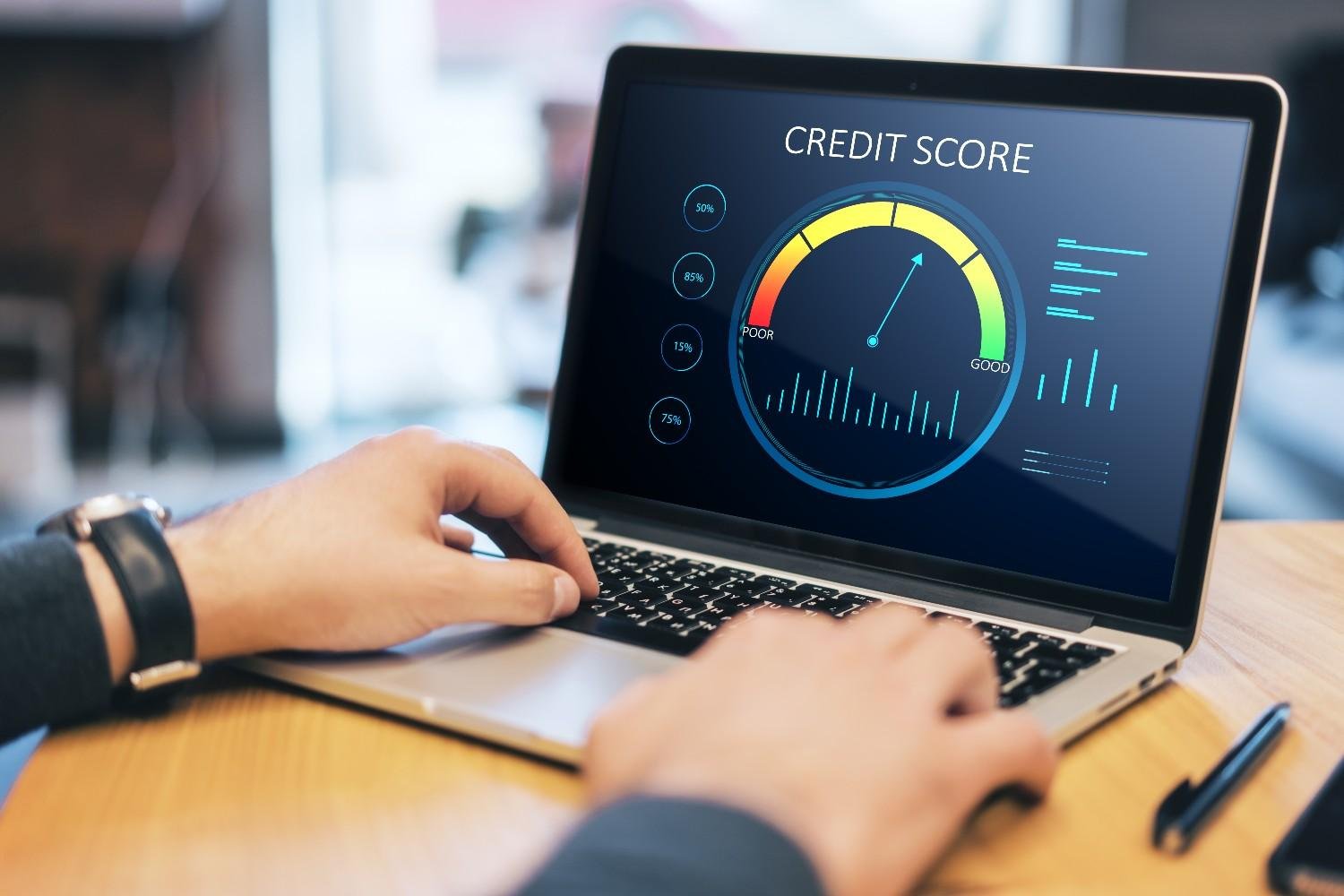
Also, quick clarity: there’s no magic utilization percentage that works for everyone, and the popular “30% rule” is often oversimplified. Utilization is real, but your best target depends on your timing, goals, and how your issuer reports balances.
My coach-style approach:
- If you’re trying to avoid debt, your cap is about cashflow safety.
- If you’re trying to optimize your credit score in the short term, you may manage reported utilization more carefully (we’ll get to timing).
What’s the difference between statement balance and current balance (and why it matters)?
This is where people accidentally fall into debt.
- Current balance = what you owe right now, including charges since your last statement.
- Statement balance = what you owed at the moment your billing cycle closed.
If you pay the statement balance in full by the due date, you’re doing the thing that usually prevents purchase interest.
If you pay only the minimum, you can keep carrying a balance and get stuck in high-interest revolving debt.
The simplest automation that keeps you safe
Set autopay for the statement balance (not the minimum). Then add a calendar reminder 3 days before autopay runs to check your checking account balance and move money if needed.
How should I use autopay without getting surprised?
Autopay is powerful—but only if it matches your intent.
Here’s the setup I recommend:
- Autopay = Statement Balance
- Payment date = 3–5 days before the due date (buffer for weekends/holidays)
- Alerts turned on: payment due, large purchase, and balance threshold alerts
And one more coach tip: if your income is irregular, pay your card every payday instead of once per month. That keeps the balance from getting scary and makes spending feel “real” again.
What purchases should go on a credit card (and what should not)?
A practical rule: put planned spending on the card and keep “temptation categories” on a tighter leash.
Good credit card purchases
- Groceries, gas, utilities, subscriptions you’d pay anyway
- Travel bookings (often better protections)
- Any purchase where fraud protection and dispute rights help
Use cards for most purchases if you spend within your means and pay in full.
Purchases I want you to avoid (if debt is your risk)
- Cash advances (they often start accruing interest immediately, and fees can apply)
- “I’ll figure it out later” purchases
- Oversized buys unless you already have the cash set aside
How can I avoid interest charges even if my card has a promo APR?
Promotional APRs are helpful, but they’re also where people get sloppy.
If you’re using a 0% intro APR:
- Put the promo end date in your calendar the day you open the card.
- Make a payoff plan that clears the balance 30–45 days before the promo expires.
Consumer-focused guidance is very clear: pay close attention to when promo rates end so you don’t get hit with higher interest unexpectedly.
What if I can’t pay the full statement balance this month?
First: don’t panic. Second: don’t ignore it.
Here’s my “damage control” order:
- Pay at least the minimum on time (protects your payment history).
- Stop new charging on that card temporarily.
- Call your card issuer and ask about hardship options or a temporary plan.
The CFPB recommends contacting your credit card company and being prepared to explain what you can afford and for how long.
If your debt is growing across multiple cards, consider a legitimate nonprofit credit counseling route (not shady debt settlement ads).
How do I build credit while staying debt-free?
The biggest myth I hear is: “I need to carry a balance to build credit.”
You don’t. You can build credit by:
- Paying on time
- Keeping balances manageable
- Keeping accounts in good standing over time
Also, pull your credit reports regularly to catch errors. The CFPB notes you can get free reports (and suggests monitoring for errors).
Frequently Asked Questions
1. Is it okay to use a credit card every day?
Yes—if it’s replacing debit/cash spending you already planned, and you pay the statement balance in full. Daily use can actually simplify budgeting because everything is tracked in one place. The risk is “invisible spending,” where swiping feels painless, and your balance grows faster than you realize. If that’s you, I’d cap your weekly card spending and do a midweek payment to keep it grounded.
2. Should I keep my credit utilization under 30%?
“Under 30%” is a decent general guideline, but it’s not a law of physics. Some sources clearly state there’s no single magic percentage.
My coaching advice: if debt avoidance is your priority, pick a limit that fits your cashflow (often 25%–35%). If you’re optimizing your score before a mortgage or auto loan, you can also manage reported utilization by paying early—before the statement closes.
3. What’s the best way to pay a credit card to avoid interest?
Pay the statement balance in full by the due date (or set autopay to do it). Paying only the minimum is how people get trapped—because it often barely reduces the principal.
4. What should I do if I can’t make my credit card payment?
Add up income and expenses, pay what you can, and contact the issuer immediately to discuss options. That’s the safest route compared to ignoring the problem or falling for risky “debt relief” pitches.
The credit card “win” I want for you
I want you to get to the point where your credit card feels boring—in the best way. You swipe, you earn rewards, you stay protected, and you pay it off like clockwork. No guilt, no stress, no “how did it get this high?” moments.
Start this month with just two moves: autopay the statement balance and set a personal spending cap that matches your real life. Do that consistently, and your card stops being a debt trap and starts acting like the financial tool it was meant to be.