Yellow jackets can turn a peaceful afternoon in your yard into a nightmare. These aggressive wasps, while beneficial for the environment, can be a serious problem when they decide to build a nest near your home.
If you’ve ever been stung or had a yellow jacket swarm, you know how terrifying they can be. In this post, I’m going to share with you the best ways to get rid of yellow jackets and prevent them from coming back .
I’ll cover ground and aerial nest treatments, trapping methods, and some prevention tips for Maintaining a safe home and yard
What Are Yellow Jackets and Why Do They Love My Yard?
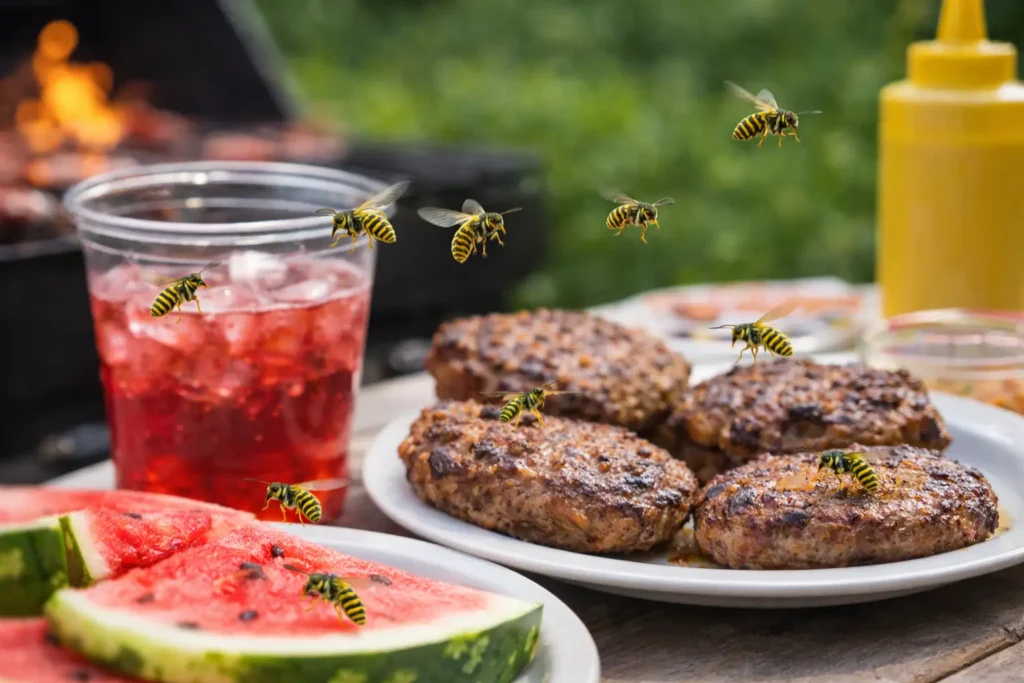
Yellow jackets are a type of wasp known for their bright yellow and black markings. Unlike honeybees, yellow jackets can sting multiple times, making them particularly dangerous, especially if they feel threatened.
These wasps are most active during late summer and early fall, as their colonies are reaching full size.
The reason yellow jackets choose your yard as their nesting site is simple: they’re looking for food, water, and shelter. They’re attracted to sweet foods, meat, and sugary drinks, making outdoor picnics or BBQs a prime target.
Unfortunately, once they find a spot, they tend to keep coming back, and a nest can grow rapidly, causing a significant problem.
How to Get Rid of Yellow Jackets in Ground Nests
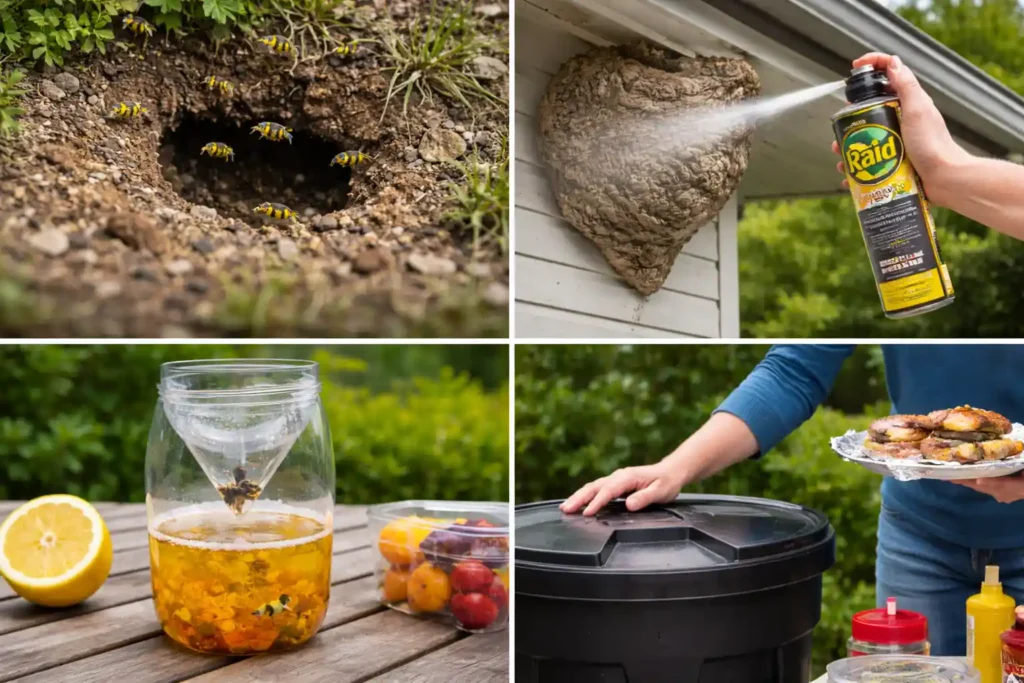
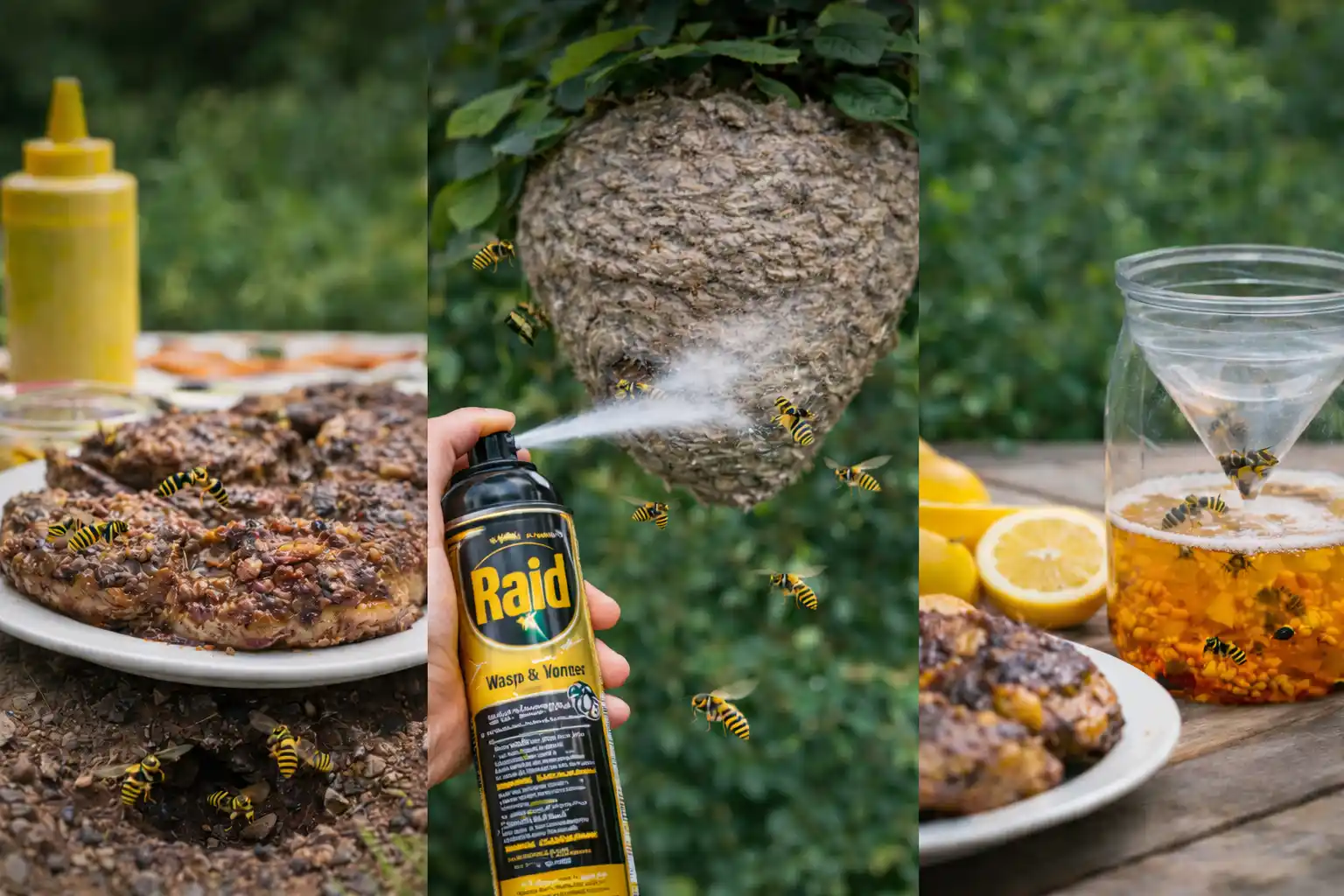
Ground nests are where you’ll typically find yellow jackets building their homes. These nests are usually located underground in abandoned rodent burrows, under piles of leaves, or in your lawn.
You might not even notice the nest until it’s too late, and you accidentally step on it.
1. Insecticidal Dust
Insecticidal dust is one of the most effective ways to eliminate a ground yellow jacket nest. DeltaDust is a popular choice because it’s easy to apply and kills the wasps once they come in contact with it.
I recommend applying the dust at dusk and dawn, when the wasps are less active. Use a hand duster to apply the dust directly into the entrance hole of the nest.
Be sure not to plug the hole; you want the wasps to walk through the dust and carry it deeper into the nest. Repeat as necessary until the colony is eliminated.
2. The “Shop Vac” Method
If you’re not keen on using insecticides, another option is to use a shop vacuum. This method involves placing the vacuum hose near the entrance of the nest. Add a few inches of soapy water into the vacuum tank.
The vacuum will suck up the wasps, and the soapy water will drown them.
You may need to repeat this process for a few days to significantly reduce the population.
3. Avoid Gasoline
You may have heard of the old trick of pouring gasoline into the hole to eliminate the nest. While it may sound effective, gasoline is dangerous, pollutes the soil, and is highly discouraged.
It poses a serious fire hazard and can harm the environment, so I advise against using it.
How to Get Rid of Yellow Jackets in Aerial or Wall Nests
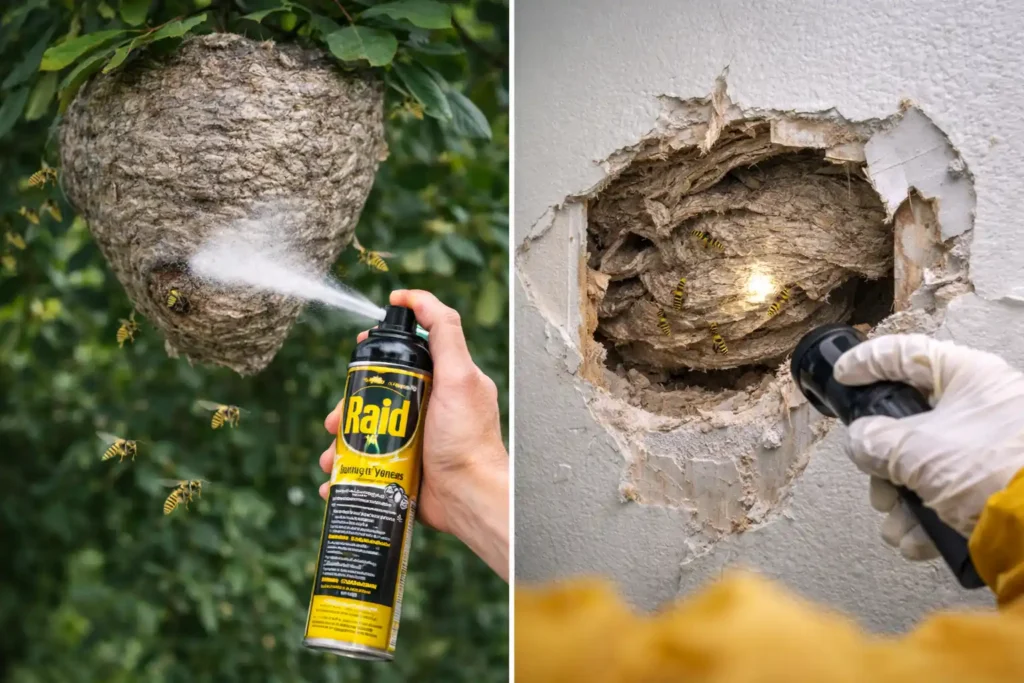
If you’ve noticed a yellow jacket nest high up in a tree, on your porch, or inside your walls, don’t worry—there are methods to deal with these nests as well.
1. Wasp & Hornet Sprays
For aerial nests, the best option is using an aerosol wasp and hornet spray, like Raid Wasp & Hornet Killer.
These sprays have a long-range nozzle that allows you to spray from up to 22 feet away, so you can safely apply the treatment without getting too close to the nest.
Make sure to apply the spray at night, when the yellow jackets are less active. Spray the entrance of the nest, ensuring it’s fully coated.
You may need to apply a second treatment if the wasps continue to be active the following day.
2. Nests in Walls
If the nest is inside a wall, you should never plug the entrance hole. Doing so will force the yellow jackets to chew through the drywall and enter your home. If the nest is in your walls, it’s strongly recommended to call a professional pest control service.
They have the right equipment and expertise to safely remove the nest without causing damage to your home.
How to Trap Yellow Jackets (For Foraging Wasps)
While treating the nest is essential, trapping can help reduce the number of wasps around your yard and home.
1. DIY Bottle Trap
A simple DIY trap can be made with a 2-liter bottle. Cut the top off, invert it, and place it back into the base of the bottle.
Fill the bottle with a mix of water, dish soap, and sweet bait like apple cider vinegar, fruit juice, or soda. The sweet scent will attract the wasps, and the soap will trap them.
2. Bait Selection
Yellow jackets are attracted to protein (like canned chicken or ham) in the spring and early summer. Later in the season, when they’re foraging for sweet foods, switch to using sweet baits like jelly or fruit juice. Be sure to replace the bait every 3-5 days to keep the trap effective.
3. Commercial Traps
If DIY traps aren’t working for you, consider using commercial traps like RESCUE! Yellowjacket Traps, which are widely available and highly effective. These traps are specifically designed to attract and trap yellow jackets.
Prevention Tips to Keep Yellow Jackets Away
The best way to avoid a yellow jacket problem is to prevent them from nesting in the first place. Here are a few of my go-to prevention tips:
1. Seal Food & Trash
Yellow jackets are attracted to food and sugary drinks, so keep your outdoor garbage cans tightly sealed and rinse recyclables before putting them in the bin. I also cover food when eating outdoors to avoid attracting them.
2. Eliminate Nesting Sites
In the spring, fill in any abandoned rodent burrows or holes in your lawn. These can serve as potential nesting sites for yellow jackets. I also keep an eye out for holes near my porch or deck and seal them up promptly.
3. Natural Repellents
If you’re trying to keep yellow jackets away from specific areas, consider planting herbs like peppermint, rosemary, and thyme. These plants are natural yellow jacket repellents and can help deter them from frequenting your outdoor spaces.
Frequently Asked Questions
1. What Are Some Other Ways to Deal with Yellow Jacket Nests?
If you’re not comfortable using chemicals, there are alternative methods like soapy water drench or dry ice. For ground nests, pouring soapy water down the entrance hole can suffocate the larvae.
Dry ice can be used to eliminate nests, as it sublimates into gas, which the yellow jackets cannot survive in. However, both methods require careful handling.
2. What’s the Best Bait for a Yellow Jacket Trap, and How Often Should It Be Replaced?
The best bait for a yellow jacket trap depends on the time of year. In the spring and early summer, protein baits (like canned tuna or chicken) are most effective.
In the late summer and fall, switch to sweet baits (like fruit juice or jelly). Be sure to replace the bait every 3-5 days to keep the trap attractive and effective.
3. What Are the Risks of Using Insecticidal Dust for Yellow Jackets?
Insecticidal dust, like DeltaDust, is highly effective for eliminating yellow jackets but should be used with care. It can be harmful to the environment if overused or applied improperly.
Always apply it in the evening when yellow jackets are inactive, and avoid inhaling the dust. If you have pets or children, ensure they stay away from treated areas until the dust settles.
Say Goodbye to Yellow Jackets for Good!
Getting rid of yellow jackets can be a challenge, but with the right methods, you can take back your yard. Whether you’re dealing with a ground nest or an aerial nest, the key is to act quickly and safely. By using insecticidal dust, sprays, traps, and taking preventative care, you’ll keep these aggressive pests from taking over your space.
Stay safe, and remember—if you’re dealing with a large or hard-to-reach nest, calling in the professionals is always a smart choice!