
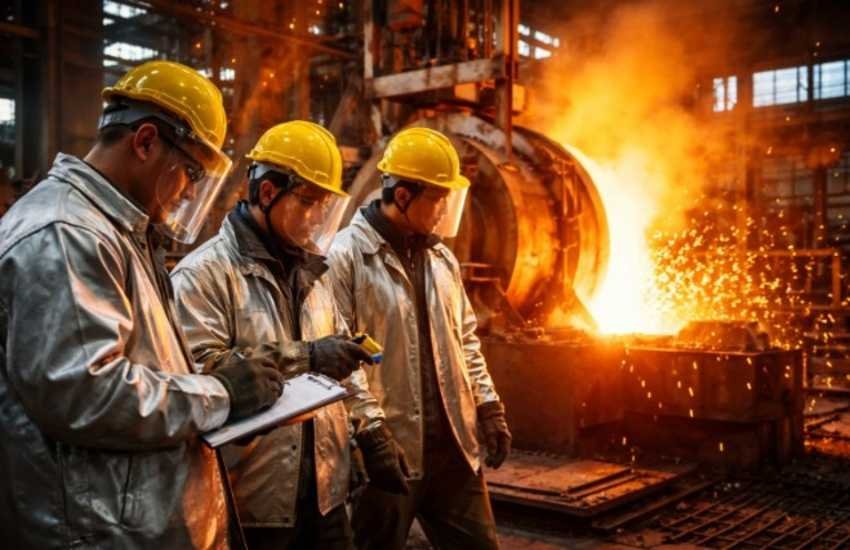
Industrial environments use high-heat equipment like furnaces, kilns, and torches to shape materials. Operating this machinery requires specialized knowledge and strict safety protocols to avoid severe risks such as burns and fires. A comprehensive approach to safety is necessary, including identifying hazards, using proper protective gear, maintaining equipment, and having emergency response plans.
Common Industrial Thermal Hazards
Recognizing the specific type of heat hazard is the first step in preventing workplace accidents. Thermal energy transfers through different mechanisms, and each presents a unique threat to operators.
Direct Contact Burns
The most frequent injuries occur when a worker accidentally touches a hot surface. This can involve the equipment itself, freshly processed materials, or tools left near a heat source. Metals can retain extreme heat long after they lose their glowing red color, creating an invisible hazard for anyone handling them.
Radiant Heat Exposure
Operating near large-scale furnaces or molten material exposes workers to intense radiant heat. Prolonged exposure to this infrared radiation can cause heat stress, exhaustion, and even heat stroke. It can also cause severe skin burns without any direct physical contact with the machinery.
Molten Splashes and Sparks
Operations involving liquid metals or heavy grinding generate unpredictable sparks and splashes. A single droplet of molten steel can easily burn through standard work clothing and cause deep tissue damage.
Essential Personal Protective Equipment (PPE)
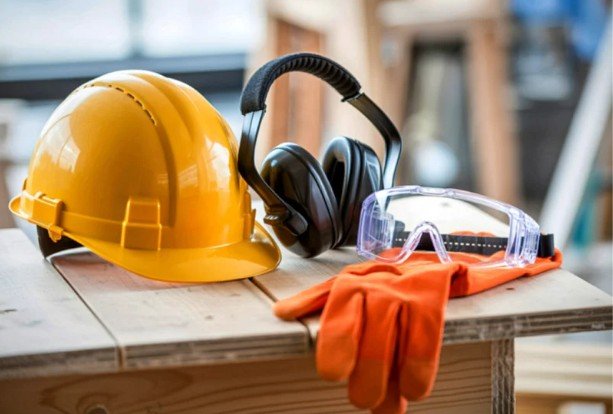
Standard workwear provides zero protection against industrial thermal hazards. Facilities must supply specialized Personal Protective Equipment (PPE) designed specifically for high-temperature environments.
Heat-Resistant Gloves and Sleeves
Hands and arms are the most exposed body parts during high-heat operations. Workers must wear heavy-duty, heat-resistant gloves made from materials like Kevlar, aluminized fabric, or specialized leather. The specific material depends on the maximum operating temperature of the equipment being used.
Body Protection
For environments with extreme radiant heat or splash risks, operators need flame-resistant (FR) clothing. Aluminized suits are highly effective because they reflect radiant heat away from the body. Aprons and heavy protective jackets are also necessary to guard the torso against sudden sparks.
Face and Eye Shields
Intense heat often pairs with intense light, especially in welding operations. Helmets with shaded visors protect the eyes from harmful ultraviolet and infrared light. Additionally, clear thermal face shields protect the skin from radiant heat and sudden splashes of hot material.
Maintenance and Inspection Protocols
Equipment failure at extreme temperatures can lead to massive industrial accidents. Regular maintenance ensures machinery operates safely and prevents unexpected thermal events.
Pre-Shift Inspections
Operators should conduct a visual inspection of all thermal equipment before starting their shift. This includes checking for frayed wires, damaged insulation, and loose fittings. Any compromised component must be reported and replaced immediately.
Calibration of Temperature Controls
Thermostats and thermal sensors require frequent calibration. If a sensor reads the temperature lower than it actually is, the equipment might overheat, leading to a potential meltdown or fire. Routine calibration by qualified technicians keeps operations within safe parameters.
Partnering with Professionals
Sometimes, maintaining high-heat equipment requires outside expertise. Facilities often collaborate with specialized contractors for heavy repairs and infrastructure updates. For instance, businesses utilizing welding and metal fabrication services in Salt Lake City understand the importance of hiring certified professionals to maintain structural integrity around high-heat zones.
Emergency Response and Burn First Aid
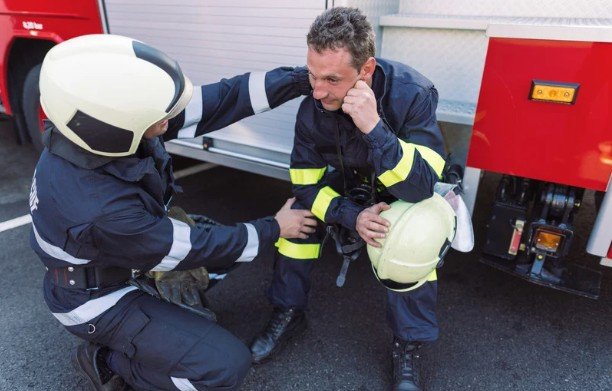
Even with the strictest safety measures, accidents can happen. A swift, organized response minimizes the severity of injuries and prevents further damage to the facility.
Immediate Action and Cooling
If a worker sustains a thermal burn, the immediate priority is stopping the burning process. Move the victim away from the heat source and cool the affected area with cool (not cold) running water for at least 20 minutes. Never apply ice, as this can cause further tissue damage.
Managing Severe Burns
For severe burns, do not attempt to remove clothing that is stuck to the skin. Cover the area with a clean, dry, non-stick dressing or a sterile sheet. Elevate the burned area if possible to reduce swelling.
Evacuation and Fire Protocols
Every high-heat facility must have a clear evacuation plan. Workers need to know the locations of all fire extinguishers, emergency shut-off valves, and exit routes. Conduct regular fire drills so the team can react automatically during a real crisis.
Safety Checklist Summary
Working with high temperatures requires constant vigilance and preparation. Review this quick checklist to ensure your facility maintains a safe working environment:
- Identify all sources of direct contact, radiant heat, and splash hazards.
- Ensure all workers are equipped with task-appropriate, heat-resistant PPE.
- Conduct daily visual inspections of all thermal machinery before use.
- Schedule routine calibration for all temperature sensors and control systems.
- Keep emergency cooling stations and burn kits fully stocked and accessible.
- Train all staff on emergency shut-off procedures and evacuation routes.
By respecting the destructive potential of high-heat equipment and enforcing strict safety protocols, you can protect your workforce and keep your operations running smoothly.
Conclusion
Now that you have a comprehensive understanding of the importance of thermal safety in industrial settings, it is your responsibility to ensure that these protocols are implemented and followed at all times. Remember, the consequences of negligence can be severe and even life-threatening.