Best Online Privacy Tools for Everyday Users used to sound like something only IT teams worried about. In real life, it’s much simpler. I’m not trying to disappear from the internet. I just want fewer trackers, fewer data leaks, and fewer moments where ads feel a little too personal.
What actually works in 2025 is a privacy stack. I use a few tools that quietly protect different parts of my online routine. No paranoia. No tech overload. Just habits that fit into normal daily life.
By the end of this guide, you’ll know which tools matter most, where to start, and how to build privacy without breaking your workflow.
Why do Best Online Privacy Tools for Everyday Users work better as a stack?

One tool can’t do everything. A VPN won’t stop trackers inside websites. A private browser won’t save you from reused passwords. And a password manager won’t remove your phone number from data broker sites.
I think about privacy the same way I think about health. One habit helps, but layers create real protection. When browsing, searching, logging in, and messaging all get basic coverage, your exposure drops fast.
Quick reality check before we go further: these tools are legal and normal. Journalists, remote workers, and small business owners use them every day. This isn’t about hiding. It’s about control.
Which browser gives the best privacy without wrecking my routine?

If I could change only one thing, I’d start with my browser. That’s where tracking begins.
Brave: my easiest everyday choice
Brave blocks ads, trackers, and fingerprinting by default. I don’t need to tweak settings or install five extensions. It feels fast and familiar, especially if you’re coming from Chrome.
Sometimes a site complains when trackers don’t load. When that happens, I turn protection off for that one site and move on. It’s a small trade-off for daily privacy.
Firefox: my control-friendly option
Mozilla Firefox gives me more control. Its Enhanced Tracking Protection works well on its own, and it becomes even stronger with a couple of extensions.
Firefox suits people who like customization. The setup takes a few extra minutes, but the flexibility is worth it if you enjoy fine-tuning.
DuckDuckGo Browser: my clean-slate browser
DuckDuckGo Browser keeps things simple. The Fire Button clears tabs, cookies, and history instantly. I like it on mobile or shared devices where I want a fresh start every time.
Which search engines stop tracking without ruining results?

Search engines quietly build profiles based on what you look up. I prefer tools that treat searches like one-off questions.
DuckDuckGo for easy privacy
DuckDuckGo doesn’t track searches or build personal profiles. Results feel neutral, not tailored around past behavior.
Brave Search for independence
Brave Search runs on its own index. I use it when I want privacy without relying on big-tech data pipelines.
Startpage for familiar rankings
Startpage delivers Google-style results while stripping personal identifiers. It’s a comfortable middle ground if you like familiar relevance.
How do I protect my accounts without turning security into a chore?
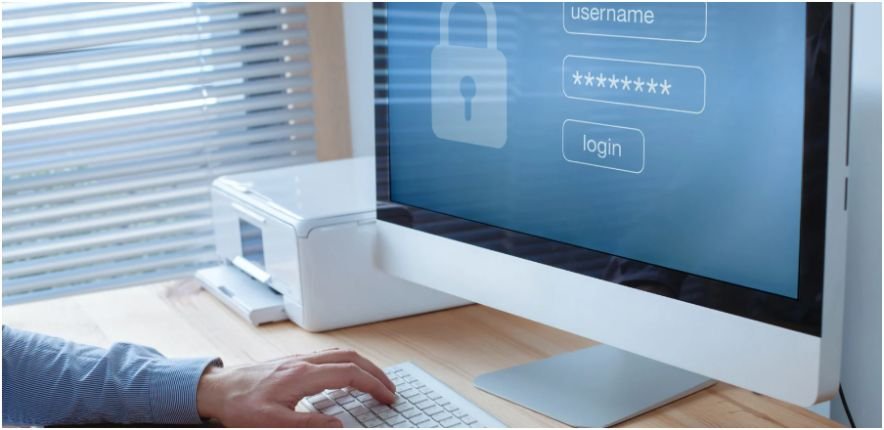
Most breaches don’t happen because someone is brilliant. They happen because passwords get reused.
Password managers I actually stick with
Bitwarden handles unlimited passwords across devices. I generate strong, unique passwords and never have to remember them. That alone removes most everyday risk.
Two-factor authentication that fits real life
For extra protection, I use a 2FA app like Ente Auth. It adds a second step without slowing me down.
Hardware keys for critical accounts
For email, banking, and my password manager, I trust YubiKey. Logging in requires a physical tap. Phishing attempts fail instantly.
Do I really need a VPN, and when does it matter?
A VPN isn’t magic invisibility. I use it for specific situations.
When a VPN helps
On public Wi-Fi, a VPN encrypts traffic and hides my IP address. That’s where it earns its keep.
Proton VPN works well for everyday use and offers a solid free tier.
Mullvad VPN suits people who want minimal account data and maximum anonymity.
When a VPN doesn’t help
If I log into Google or social media, my identity still travels with me. A VPN protects the connection, not the account itself.
How do I keep messages and email private without friction?

I don’t want my conversations floating around or my inbox drowning in spam.
Messaging that stays private
Signal encrypts texts, calls, and video by default. I use it for anything personal or sensitive.
Email with fewer eyes
Proton Mail keeps message contents private and reduces scanning.
Email aliases that save my inbox
Firefox Relay lets me use masked email addresses for signups. If spam starts, I disable the alias instead of changing my real email everywhere.
How do I remove my personal data without wasting a weekend?
Data brokers collect and resell personal info constantly. Even after opt-outs, listings can reappear.
Incogni automates removal requests and keeps monitoring.
Optery shows where your data appears and lets you choose DIY or automated cleanup.
I treat this like routine maintenance. Not exciting, but future-me always appreciates it.
How do I set up Best Online Privacy Tools for Everyday Users in 30 minutes?

Step 1: Switch your browser
I install Brave or Firefox and set it as default. I bookmark essentials so the change feels smooth.
Step 2: Add one blocker
I install uBlock Origin first. That alone cuts a huge amount of tracking noise.
Step 3: Move passwords into Bitwarden
I import saved passwords and update my most important accounts first.
Step 4: Turn on 2FA
I secure email and my password manager with an authenticator app or a hardware key.
Step 5: Use email aliases for new signups
I stop handing out my real email address everywhere.
Step 6: Start one data cleanup service
I run a scan or enable monitoring and let it work in the background.
FAQ
1. Do I need every tool listed here?
No. Start with a privacy browser and a password manager. That combo delivers the biggest benefit fast. Add layers only when they fit your routine.
2. Will privacy tools break websites?
Sometimes. When a site breaks, I whitelist it or pause protection briefly. That’s normal and easy to manage.
3. Are free privacy tools safe?
Some are. I trust tools that are open-source or transparent about how they work.
4. Is this overkill for normal users?
Not at all. These tools reduce spam, ads, and account risks. That’s practical, not extreme.
Okay, real talk: stop feeding the data gremlins
Best Online Privacy Tools for Everyday Users aren’t about fear. They’re about comfort and control. I want fewer trackers, fewer breaches, and fewer inbox disasters.
My favorite tip is simple: start with the change you’ll actually keep. For most people, that’s a better browser and a password manager. Once that becomes normal, adding the next layer feels easy instead of overwhelming.