

AI trends to watch in 2025 feel very different from the hype cycles we’ve seen before. This year, AI stopped acting like a flashy demo and started behaving like a co-worker who actually gets things done. I’m seeing AI show up quietly in daily workflows, devices, and decisions—less “wow” and more “this saves me time.”
If you feel overwhelmed by AI headlines, you’re not alone. I focus on what changes my routine, improves real work, and doesn’t break trust. That’s exactly what defines AI trends to watch in 2025. These trends matter because they affect how you work, how your data gets handled, and how much control you keep.
Why Do AI Trends to Watch in 2025 Feel So Different From Last Year?

Last year felt like experimentation. This year feels operational.
AI now runs tasks end-to-end instead of waiting for prompts. I see companies moving from “testing AI” to building habits around it. That shift matters because it exposes real risks, real wins, and real responsibility.
Another big change is accountability. Governments, enterprises, and users now demand explainability and data control. AI feels less magical and more grounded—and honestly, that’s a good thing.
How Is Agentic AI Changing Daily Workflows in 2025?
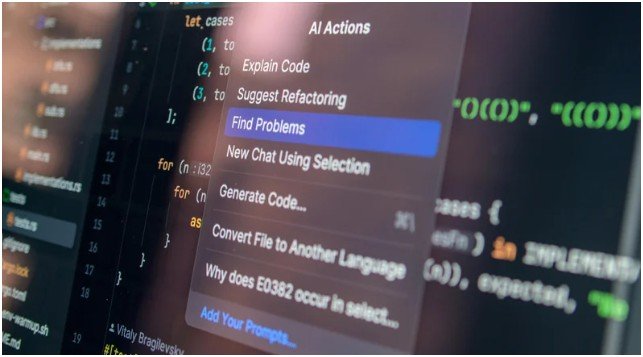
Agentic AI changes how I think about productivity. These systems don’t wait for instructions. They plan, act, and adjust based on goals.
Instead of asking an AI to draft something, agentic systems manage entire workflows. I see logistics agents coordinating supply chains while finance agents monitor risk. They collaborate, share context, and keep humans in control without micromanagement.
This matters because it saves mental energy. You stop babysitting tools and start supervising outcomes. That’s one of the most practical AI trends to watch in 2025.
What Makes Multimodal AI So Useful in Real Life Now?

Multimodal AI finally feels natural.
I now interact with systems that understand text, images, voice, and video at the same time. That sounds technical, but the benefit feels simple. You show a photo, explain the issue, and the system responds intelligently.
In healthcare, this shows up as faster diagnostics. In customer support, it means fewer back-and-forth messages. Multimodal AI reduces friction, and that’s why it sticks.
Why Are Small and Sovereign Models Taking Over AI in 2025?
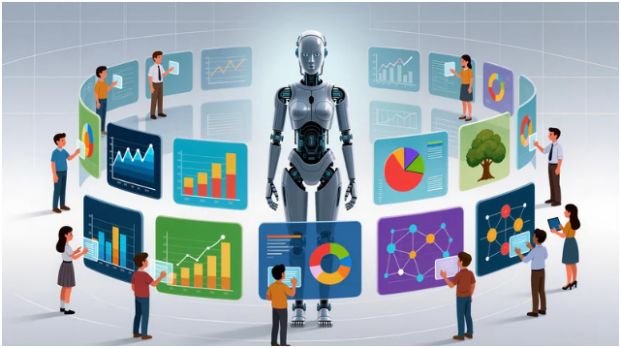
Bigger models don’t always mean better outcomes. That reality shows up clearly in AI trends to watch in 2025.
Small Language Models now run directly on phones and wearables. I like them because they respond instantly and don’t ship personal data to the cloud. That feels safer and faster.
Sovereign AI also matters. Companies now keep sensitive data inside their own infrastructure to meet regulations and protect trust. This shift makes AI feel less invasive and more respectful.
How Is AI Infrastructure and Sustainability Affecting the Future?
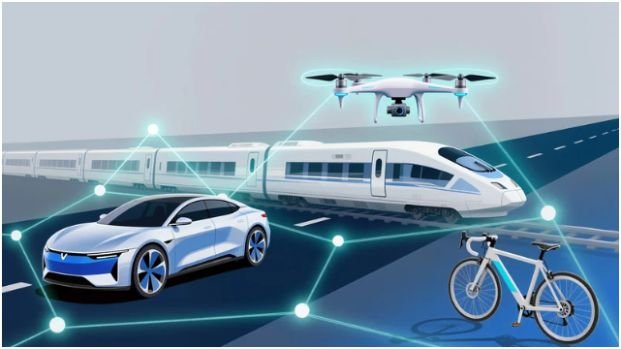
AI eats energy. That’s the uncomfortable truth.
In 2025, infrastructure decisions shape AI strategy. I see massive investments in efficient data centers, liquid cooling, and carbon-free energy. Sustainability now affects cost, reputation, and long-term viability.
This trend matters because inefficient AI won’t scale. Green AI isn’t a bonus—it’s survival.
How Is AI Becoming a Co-Scientist Instead of Just a Tool?

One of my favorite AI trends to watch in 2025 is AI acting like a research partner.
In drug discovery, AI simulates proteins faster than any human team could. In materials science, it predicts sustainable compounds before labs build them. AI doesn’t replace scientists—it accelerates insight.
This changes timelines. Breakthroughs that once took years now happen in months.
How To Adapt to AI Trends to Watch in 2025 (Without Feeling Overwhelmed)
Start small and stay intentional.
First, identify one repetitive task you already hate. Use AI to automate that single workflow instead of chasing everything at once.
Next, choose tools that explain their decisions. Transparency builds trust and prevents surprises later.
Finally, treat AI like a habit, not a shortcut. Check outputs, refine prompts, and stay involved. AI works best when you supervise outcomes instead of abandoning responsibility.
Quick Comparison: What’s Actually Changing in 2025
| Area | Before | Now |
| AI Role | Assistant | Autonomous agent |
| Data Handling | Cloud-first | Sovereign & edge-based |
| Models | Huge general models | Small, specialized models |
| Governance | Optional | Mandatory |
| Sustainability | Ignored | Strategic priority |
FAQs About AI Trends to Watch in 2025
1. Is agentic AI safe to use in real businesses?
Agentic AI feels powerful, but safety depends on oversight. I trust systems that include clear guardrails, human checkpoints, and explainable decisions. Autonomous doesn’t mean uncontrolled. The safest setups keep humans responsible for outcomes while letting AI handle execution.
2. Will AI trends to watch in 2025 replace jobs?
I see role changes more than replacements. AI removes repetitive tasks and frees people for decision-making and creativity. Jobs evolve when tools improve. The key skill now is learning how to supervise AI effectively.
3. Do small AI models really perform well?
Yes, especially for focused tasks. Small models shine on devices where speed and privacy matter. They don’t do everything, but they do specific jobs extremely well. That efficiency drives adoption.
4. Why does AI regulation matter so much now?
Because trust matters. Regulation forces transparency, fairness, and accountability. I see it as protection, not limitation. Responsible AI adoption scales faster than reckless experimentation.
So… What’s the Smart Way to Think About AI in 2025?
Here’s my honest take. The smartest move isn’t chasing every new model. It’s choosing AI that fits your routine, respects data, and saves real time.
The AI trends to watch in 2025 reward people who stay curious, practical, and grounded. My best tip? Treat AI like a habit you refine daily—not a shortcut you blindly trust.