Want to enjoy your downtime but find your outdoor space uninviting? You don’t need a huge budget or a professional landscaper to create an outdoor retreat. With thoughtful planning, your backyard, balcony, or patio can become your go-to spot for relaxation. This guide walks you through five key steps to designing an outdoor space that works for morning, noon, and night.
Start With What You Have
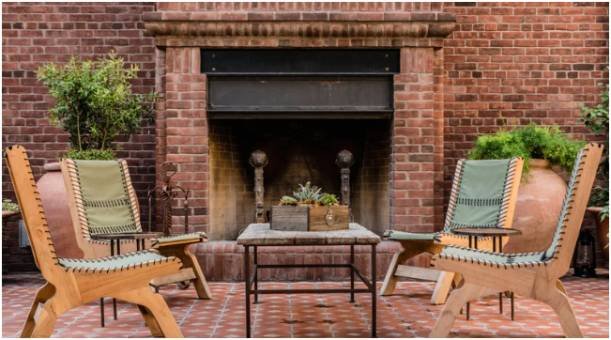
Before buying a single piece of furniture or planting a single flower, take stock of what you’re working with. Walk your outdoor space at different times of day and pay attention to where the sun falls, where shade gathers, and which areas feel naturally comfortable.
A south-facing patio might get blasted with afternoon sun in summer—making it unbearable without shade. A corner of your yard that stays cool in the morning could be the perfect reading nook. Understanding these natural dynamics helps you place seating, shade structures, and greenery in the right spots rather than fighting against them.
Also consider the shape and size of your space. Long, narrow gardens benefit from zoning that draws the eye forward. Compact courtyards feel more spacious when furniture is scaled appropriately, and edges are softened with planting. Sketch a rough layout before committing to anything, even if it’s just on paper.
Choose Materials and Furniture That Last
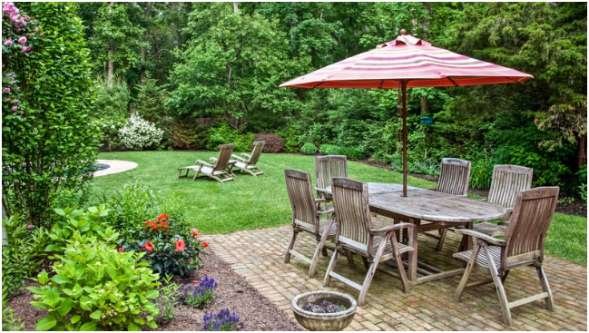
Outdoor spaces take a beating. Rain, UV rays, humidity, and temperature changes all wear on furniture and surfaces over time. Choosing the right materials from the start saves you money and frustration down the track.
For seating, look for options made from teak, powder-coated aluminum, resin wicker, or high-density polyethylene. These materials handle moisture and sun exposure without warping, rusting, or fading quickly. Cushions filled with quick-dry foam and covered in solution-dyed acrylic fabric hold up far better than their indoor counterparts.
When it comes to flooring and surfaces, natural stone and porcelain tiles are popular for good reason—they’re durable, slip-resistant when textured, and visually appealing. Composite decking is another solid option, offering the warmth of timber without the maintenance demands.
Prioritize comfort above all else. A beautiful chair that’s uncomfortable to sit in for more than 20 minutes defeats the purpose entirely. If possible, test seating before purchasing it, or look for pieces with adjustable backs and armrests.
Bring Nature Into the Design
There’s a reason people feel calmer surrounded by greenery—exposure to natural elements has measurable effects on stress and mood. Incorporating plants, water, and organic textures into your outdoor space doesn’t just look good; it genuinely shifts how the space feels.
Start with layered planting. Use taller plants or bamboo screening for privacy and vertical interest, mid-height shrubs or ornamental grasses for texture, and low-growing ground cover or potted herbs at eye level. Choose plants suited to your climate and the specific light conditions of each area—this reduces maintenance and keeps everything looking healthy with minimal effort.
Water features add another dimension entirely. Even a small self-contained fountain introduces the sound of moving water, which has a measurable calming effect. For those willing to invest more significantly in their outdoor space, swimming pool construction in Utah can completely transform a backyard into a resort-like retreat, giving you a functional centrepiece that anchors the whole design.
For balconies or smaller spaces, vertical gardens and hanging planters make it possible to incorporate plenty of greenery without sacrificing floor space. The key is density—the more greenery you can include, the more immersive and restorative the atmosphere becomes.
Set the Mood With Lighting and Decorative Details
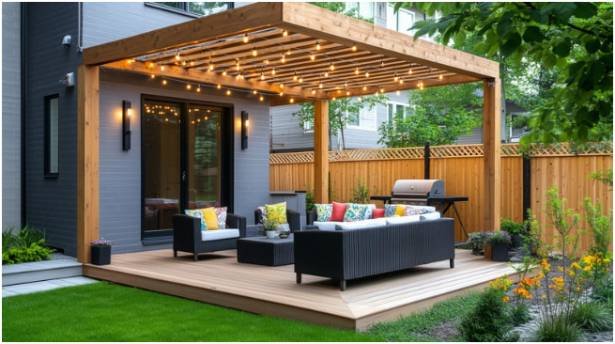
How a space looks at 7 pm matters just as much as how it looks at 11 am. Outdoor lighting extends your usable hours well into the evening and plays a huge role in setting the right atmosphere for relaxation.
Avoid harsh, single-source overhead lighting. Instead, layer different types:
- String lights or festoon lights draped overhead create a warm, ambient glow and work well above dining or lounging areas
- Path lighting guides movement safely without flooding the space with light
- Spotlights or uplights placed at the base of trees or architectural features add drama and depth
- Lanterns or candles on tables bring warmth and intimacy for evening gatherings
Beyond lighting, decorative accents like outdoor rugs, throw blankets, cushions, and planters give a space personality. These softer elements signal that the area is meant for living in, not just looking at. An outdoor rug anchors a seating arrangement, while a side table and a few well-placed plants can make a corner feel intentional and complete.
Weather-resistant art and sculptural objects also have a place outdoors, particularly in more formal garden settings. These finishing touches are often what separate a space that feels designed from one that just has furniture in it.
Define Zones for Different Activities
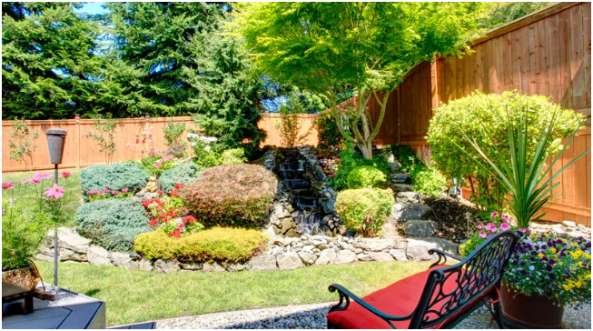
Multi-purpose outdoor spaces work best when they’re clearly organized and the highlighted improvement any buyer would notice if you are planning to sell your property. Without some level of zoning, everything feels muddled—and it becomes harder to fully relax because the space is trying to do too many things at once.
Think about how you actually want to use your outdoor space across a typical weekend. Possibilities might include:
- A dining zone with a table and chairs positioned near the kitchen or BBQ for easy entertaining
- A lounge zone with deep, comfortable seating arranged for conversation or watching the sunset
- A quiet zone with a hammock, single chair, or daybed tucked away for reading or napping
- A garden zone for those who find pottering with plants genuinely relaxing
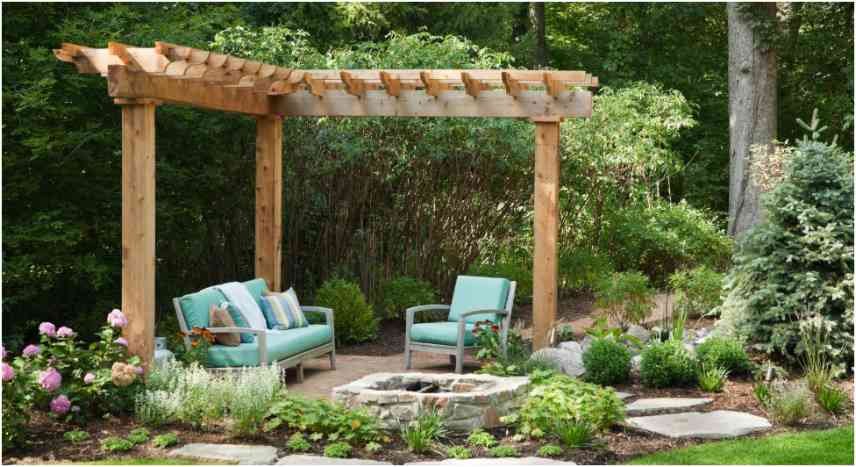
Zones don’t need to be divided by walls or fences. Changes in flooring material, shifts in furniture arrangement, or even the orientation of seating are enough to distinguish one area from another. A pergola or shade sail over the dining area, for example, naturally separates it from an open lounge zone beside it.
The goal is to create a space where every corner has a purpose—so you can move between activities without the space feeling chaotic.
Conclusion
The most effective outdoor design is the one you keep coming back to. That means getting the fundamentals right: a layout that responds to your environment, furniture that holds up over time, enough nature to feel genuinely restorative, lighting that extends your evenings, and clear zones that support the activities you love.